This week marks the anniversary of the wildfires that tore through Los Angeles communities, reduced neighborhoods to ash, and changed lives forever. Anniversaries like this are not about politics. They are about memory, accountability, and whether promises made in glossy insurance policies were actually kept when it mattered most.
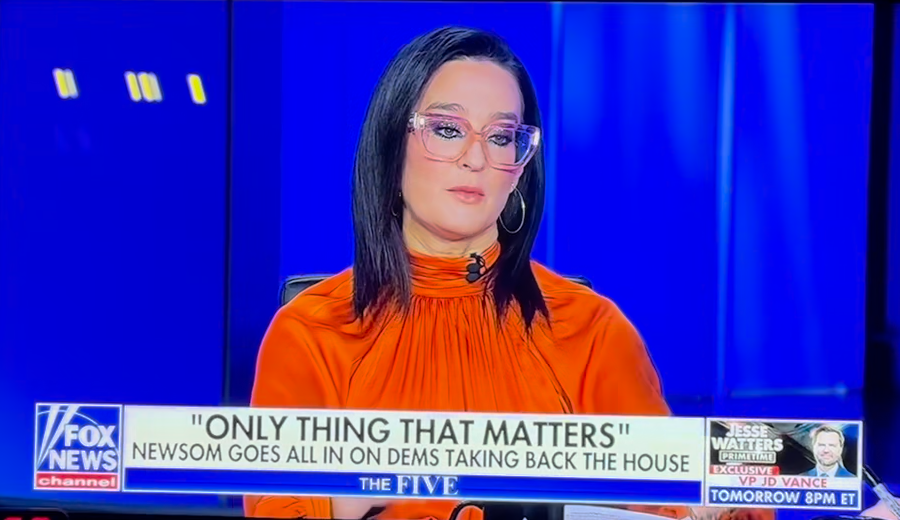
The recent television segment above is circulating online and argues that California’s insurance crisis is simple. According to that narrative, insurers are fleeing because regulation is hostile, politicians care more about ideology than markets, and everything would be fixed if regulators simply got out of the way. It makes for good television. It makes for bad reality.
For policyholders, the real crisis does not begin with rate hearings or carrier exit announcements. It begins after the fire trucks leave, when the claim is filed, and when families and businesses discover that having insurance does not mean being paid fairly, promptly, or fully.
What wildfire survivors experience is not an abstract regulatory debate. It is delay disguised as investigation. It is underpayment framed as disagreement. It is depreciation held hostage long after replacement is required. It is engineers and consultants whose conclusions always seem to favor the insurer that hired them. It is rotating adjusters, moving goalposts, and the quiet exhaustion that forces people to settle for less than the policy promised.
None of that is caused by rate regulation. Those are claims handling choices. They are business decisions made by claims organizations. These claims decisions and practices exist regardless of whether rates go up or down.
Insurers often argue that they cannot write coverage unless they are allowed to charge more. That may be true in some circumstances. What is rarely discussed on television is whether insurers who receive adequate rates are also delivering adequate performance. There is almost no public accounting of how these wildfire claims are actually handled, how many are underpaid, how long survivors wait, or how often policyholders must hire help just to obtain benefits already purchased.
This is where regulatory capture becomes uncomfortable to talk about. Capture does not always mean regulators favor insurers. Sometimes it means regulators focus on highly visible fights over rates while quietly tolerating claims misconduct that happens out of public view. Sometimes it means political theater replaces enforcement. Sometimes it means market conduct exams are understaffed, delayed, or narrowly scoped, while policyholders are told their disputes are merely individual disagreements.
The result is a system where insurers complain loudly about regulation, regulators declare victory over premium approvals, and policyholders fight alone in the claims process. Everyone speaks. The people living in rentals, trailers, or partially repaired homes pay the price.
Insurance is not a political slogan. It is a societal product that promises to pay claims promptly and in full. We require people to buy it. We grant insurers extraordinary antitrust exemptions. In exchange, insurers are supposed to perform when catastrophe strikes. If coverage exists on paper but vanishes through delay, underpayment, and attrition, then availability arguments ring hollow.
One year after these wildfires, the most important question is not whether insurers feel comfortable writing new policies. It is whether the policies already sold actually worked. Until claims handling is treated with the same seriousness as rate filings, the crisis will continue, no matter how many panels argue about ideology.
The fire may be out. The insurance fight is not.
Thought For The Day
“A promise made must be a promise kept.”
George H. W. Bush