I have written several times about the number of Palisades and Eaton fire homes that remain untouched more than a year after the fires. Many of these homes are still full of contents, remediation has never really begun, and the homeowners remain displaced while their Additional Living Expense coverage continues to run. I discussed that problem earlier this year in Why Are So Many Wildfire-Damaged Homes Still Untouched More Than a Year Later.
A recent Daily Journal article about a pending Palisades wildfire case against Federal Insurance Company, a Chubb company, caught my attention because, according to the article, U.S. District Judge Josephine Staton questioned during a recent hearing whether the homeowners, John and Callene Momtazee, filed suit before there was an attempt to clean the home. There is not yet a publicly available transcript of that hearing, so I am not going to read too much into the court’s comments based solely on the newspaper report, but the issue itself is worth paying attention to. The article also reflects that the parties dispute who is responsible for the lack of remediation, with the homeowners contending that Federal itself delayed the process by failing to adequately identify the contamination before remediation could safely begin.
It also falls in line with the problem presented in Gharibian v. Wawanesa General Insurance Co., (2025) 108 Cal.App.5th 730. There, Wawanesa paid more than $20,000 for professional cleaning services that the insureds never used. The Court of Appeal ultimately affirmed summary judgment for the carrier because, based on the record presented, the insureds had not established covered direct physical loss.
Gharibian certainly does not mean every wildfire-contaminated home can be cleaned, and it should not be read that broadly. But it does reinforce something I continue to believe about these standing-home wildfire claims: in most cases, something has to happen before everyone runs to court arguing about whether remediation will work. That does not mean accepting whatever cleaning protocol the insurance company proposes, and it does not mean an insured has to agree that the home can be safely restored simply because the carrier says so. It means the claim should be allowed to develop far enough to determine what can actually be done.
That is consistent with what I wrote just a few days ago about statute of limitations issues arising from the Palisades and Eaton fires. 1 There should not be an artificial race to the courthouse simply because someone has circled January 7, 2027 on a calendar. A property insurance case is generally better positioned for litigation when the damages have been investigated, documented, and presented to the carrier.
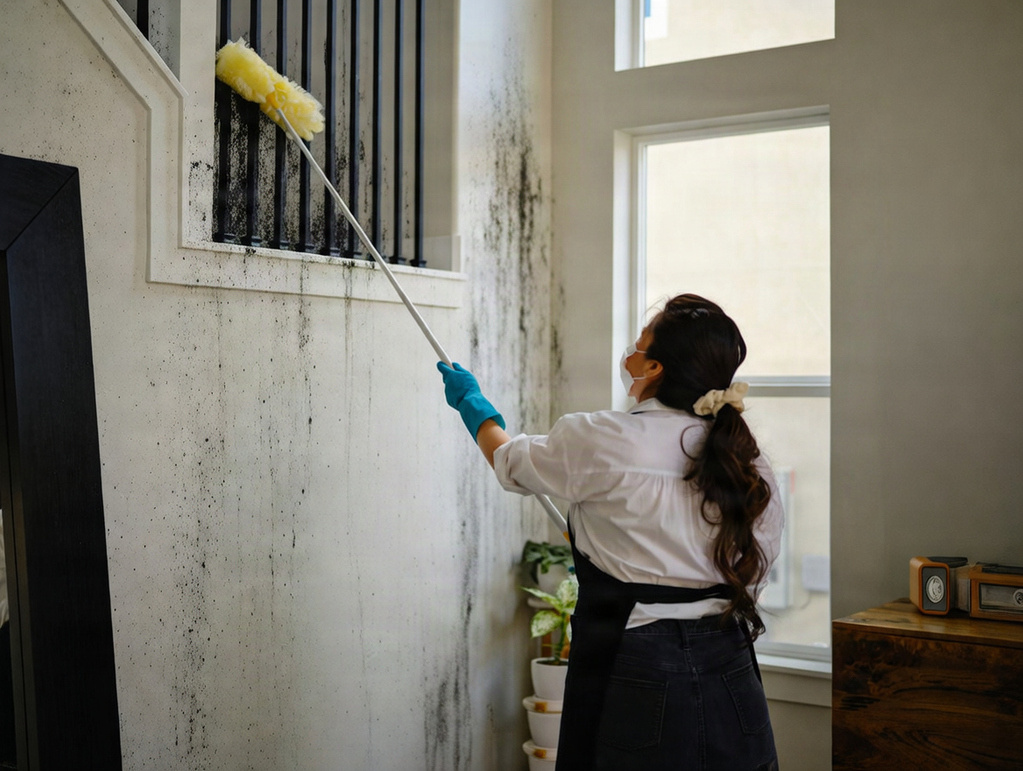
In many of these Palisades and Eaton claims, the first practical step is obvious: the home needs to be packed out. You cannot realistically remediate a home that is still filled with furniture, clothing, rugs, electronics, artwork, bedding, and everything else the family owned before the fire. The contents have to be dealt with before meaningful structural remediation can really begin, and that is where I think some of these claims are getting stuck.
This is also where responsibility matters. If the insurance company agrees that remediation should occur but refuses to authorize or pay for the pack-out necessary to begin that remediation, it should not later be able to point at the homeowner and say the homeowner never tried to clean the house. The carrier cannot prevent step one and then complain that nobody made it to step two.
There will certainly be cases where the contamination is so significant, the proposed remediation is so inadequate, the carrier has delayed for so long, or the insured simply does not have the financial ability to keep waiting, that litigation is necessary. Every claim is different. But generally, where the insured has the financial ability and the carrier has provided a realistic path forward, I remain of the view that there is value in allowing the claim to develop and finding out whether a reasonable remediation effort will work – even if it appears it may fail. As Chip Merlin recently wrote in discussing another wildfire claim, if cleaning succeeds, the scope should reflect that; if it fails, the failed cleaning can become powerful evidence that replacement is necessary. 2
What should not happen is another year passing while a contaminated home remains full of contents and everyone argues over a cleaning process that nobody has actually been allowed to start.
1 Derek Chaiken. “Do Palisades and Eaton Fire Victims Really Have to File Suit by January 7, 2027?” Property Insurance Coverage Law Blog (Sept. 25, 2026).
2 Chip Merlin. “Where There’s Smoke, There Must Be Proof: Practical Lessons from a Failed Wildfire Claim.” Property Insurance Coverage Law Blog (Sept. 13, 2026).