
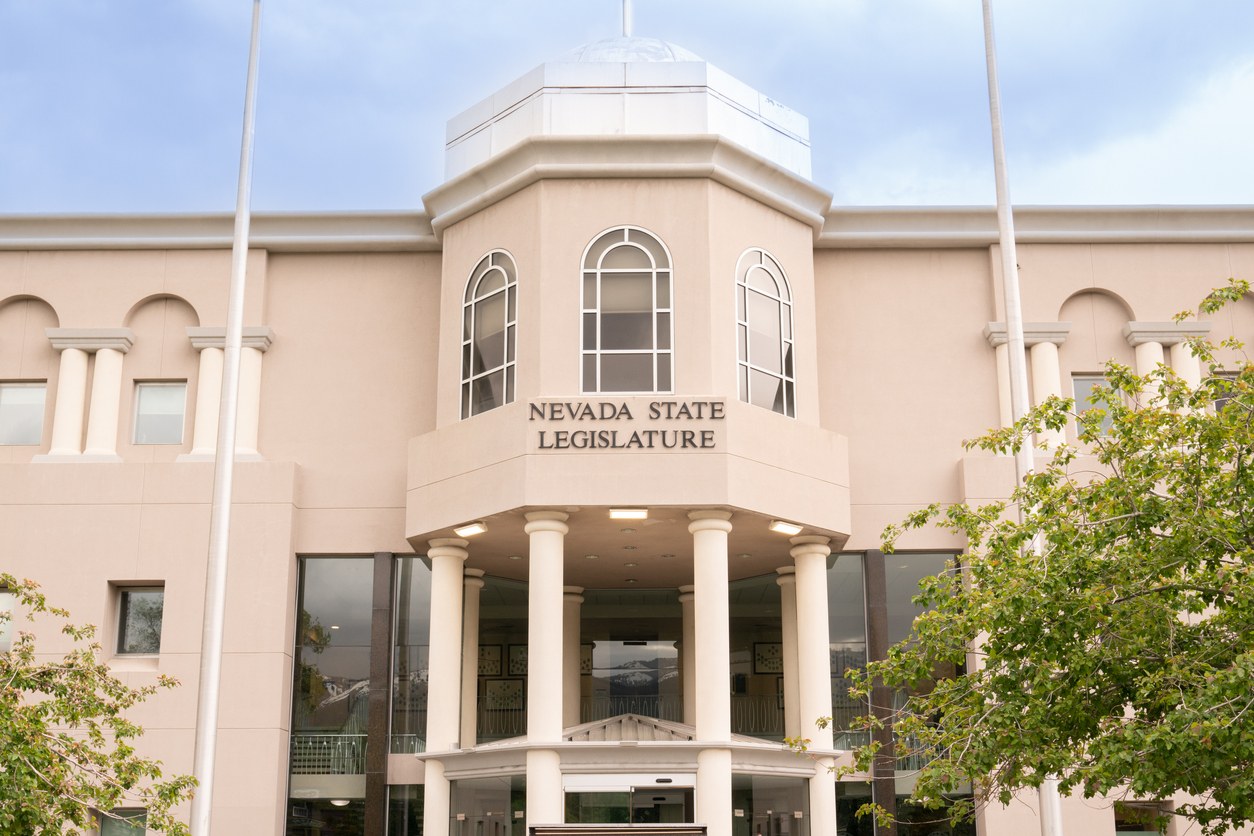
A shift in some states’ approach to homeowners insurance for wildfires may be coming to your state next. Nevada recently approved a law that allows insurers to issue policies without wildfire coverage. Under Nevada’s new law, A.B. 376, carriers can propose excluding specific perils like wildfire from a standard homeowners policy. The stated goal of the change is to address rising premium costs. From my perspective, the risk at the other end of that spectrum is straightforward: when wildfire losses occur, they may simply be uninsured.
The ability to exclude wildfire risk stands in stark contrast to the legal landscape here in California.
In California, the minimum requirements for fire insurance are not set by market practice or carrier discretion — they are codified in statute. California’s Insurance Code requires that fire policies conform to the California Standard Form Fire Insurance Policy. That standard form, set forth in Insurance Code sections 2070 et seq., obligates insurers to cover loss by fire or lightning, and any fire coverage offered in combination with other perils must be substantially equivalent to or more favorable than the statutory baseline.
The origins of California’s Standard Form Fire Insurance Policy go back more than a century. Like many states in the early 1900s, California adopted a mandatory standard fire policy to address inconsistent coverage, restrictive exclusions, and insurer practices that left policyholders exposed after catastrophic fires. The Legislature’s intent was straightforward: establish a minimum level of fire protection that insurers could not erode through policy language or exclusions. That statutory floor remains in place today.
This framework means insurers writing homeowners insurance in California cannot legally strip out fire coverage, including wildfire-related fire losses. It also has real practical consequences. In litigation involving the California FAIR Plan and wildfire smoke damage, courts have emphasized that smoke and soot contamination can qualify as loss by fire under the standard form, and that policies providing less than the statutory minimum are unlawful. In practical terms, fire is the one peril that California law requires to be covered.
The divergence between states like Nevada and California illustrates how policy choices shape risk transfer in fire-prone regions. In California, the Legislature long ago decided that baseline fire protection must remain part of residential insurance. Whether other states follow Nevada’s lead or Californians revisit how wildfire risk is priced within a mandatory fire framework will remain part of the national wildfire insurance discussion.