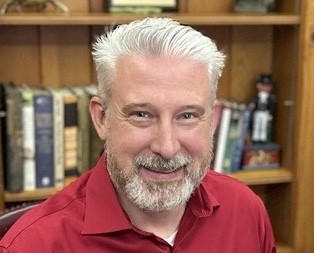

I publicly supported Ben Allen for California Insurance Commissioner. With Jane Kim’s victory, I suppose Ben could be forgiven for wondering whether my endorsement was his “kiss of death.” My election forecasting services remain available, although demand may have softened considerably.
All kidding aside, I congratulate Jane Kim and sincerely hope she succeeds. California policyholders need an insurance commissioner who will protect them, insist on full and prompt claim payments, and help restore a marketplace where meaningful coverage is available at a price people can afford. I will certainly support her efforts to accomplish those goals.
Kim comes to the office as a civil rights attorney, former San Francisco supervisor, and advocate for working families. Her background includes Stanford, UC Berkeley School of Law, and leadership in the California Working Families Party. She campaigned on changing how insurance works for consumers. Her success will now depend on translating that ambition into practical results.
Several of her proposals should attract the attention of anyone who has helped a policyholder through a difficult claim. Kim wants insurers to pay interest on delayed claims. She proposes immediate payment of full contents coverage following disaster total losses without requiring survivors to inventory every possession. She also calls for market conduct examinations targeting suspicious denial patterns and elevated complaints, along with public reporting of insurers’ claims performance. These are proposed changes, and the details of implementation will matter. But they address problems policyholders and public adjusters encounter every day.
I particularly welcome her attention to the financial consequences of delay. An insurer retains money while a policyholder waits for it. Meanwhile, the policyholder may be paying rent, carrying a mortgage on an uninhabitable home, borrowing money, or postponing repairs. A claims system that makes delay inexpensive for the insurer leaves the person who purchased protection carrying the burden. Interest requirements should make timely payment the sensible business decision.
Public insurance adjusters should also pay attention to her proposed examinations and claims reporting. A well-documented individual claim can reveal a much broader problem. Repeated estimating omissions, unexplained payment delays, inadequate investigations, and inconsistent coverage positions may reflect management practices affecting thousands of people. Public adjusters are often in an excellent position to identify those patterns. A commissioner willing to listen and investigate insurance company claims practices could turn that practical experience into better protection for everyone.
My hope is that those examinations will reach the people making the decisions. Regulators should examine the instructions, measurements, incentives, and vendor arrangements that shape claim outcomes. Reading the final denial letter is useful. Understanding why that letter was generated can be much more revealing.
Kim’s FAIR Plan proposals are especially relevant to California’s wildfire survivors. She calls for stronger enforcement of smoke claims, quarterly reporting on their resolution, and greater public accountability in the plan’s governance. She also proposes funding to make FAIR Plan homes more resistant to wildfire.
Smoke contamination deserves sustained attention. A standing house does not necessarily mean a safely habitable house. Policyholders need competent investigation, reliable science, and payment for the work necessary to address covered damage. Public adjusters and attorneys should have the opportunity to bring sound evidence to a department prepared to examine it carefully.
Her most ambitious proposal is a public nonprofit disaster insurance program. The detailed plan currently focuses on moving wildfire risk for existing homes into a mandatory statewide pool, while private insurers continue covering other risks. Insurers would generally administer the wildfire coverage, with the public program holding the risk, arranging catastrophe financing, and directing mitigation spending. This would require cooperation from the Legislature and the governor, along with substantial work on funding and implementation.
I hope she can find a workable path toward stability. Californians need insurers capable of paying catastrophic losses, and they need coverage they can actually purchase. Any public program would also need adequate funding, competent claims administration, and meaningful accountability to its policyholders. Changing the institution responsible for a claim does not eliminate the need to make that institution keep its promises.
Reducing wildfire losses is an essential part of that effort. Safer homes and communities benefit policyholders, insurers, lenders, and taxpayers. The challenge is to finance prevention while preserving the resources necessary to pay people whose homes burn before those improvements can be completed.
For California public adjusters, Kim’s victory presents an opportunity to contribute practical knowledge. Bring the department specific facts, organized records, and evidence of recurring problems. Also bring solutions. A regulator trying to improve catastrophe recovery needs to understand what happens at kitchen tables, temporary apartments, and damaged properties after the television cameras leave.
I supported Ben Allen. I now hope Jane Kim becomes an exceptionally effective insurance commissioner. Those positions fit together quite comfortably. My commitment is to the policyholders who need protection and the promise an insurance policy is supposed to deliver. If Kim advances full and prompt payments, meaningful coverage, and a healthier insurance marketplace, she will have my support.
Thought for the Day
“Your policy shouldn’t punish you for using it.”
— Jane Kim