I spend a fair amount of time criticizing insurance companies when they fail to correct an inaccurate claims record. Fair is fair. When I get something wrong, I should correct the record just as plainly.
In my September 30 article, California’s Wildfire Smoke Laws Are Signed, and Survivors Drove Them There, I correctly noted that fire survivors and community advocates drove the passage of AB 1642 and the important amendments to AB 1795. But I described the people who led Eaton Fire Residents United incompletely and inaccurately.
Jane Lawton Potelle graciously sent me a detailed correction. She explained that Dr. Nicole Maccalla co-founded EFRU (Eaton Fire Residents United) with her and Dawn Fanning. My prior article incorrectly omitted Nicole’s indispensable scientific role.
I also described Jane too narrowly as EFRU’s most visible survivor spokesperson. She was certainly a powerful public voice, but that description did not begin to capture what she did.
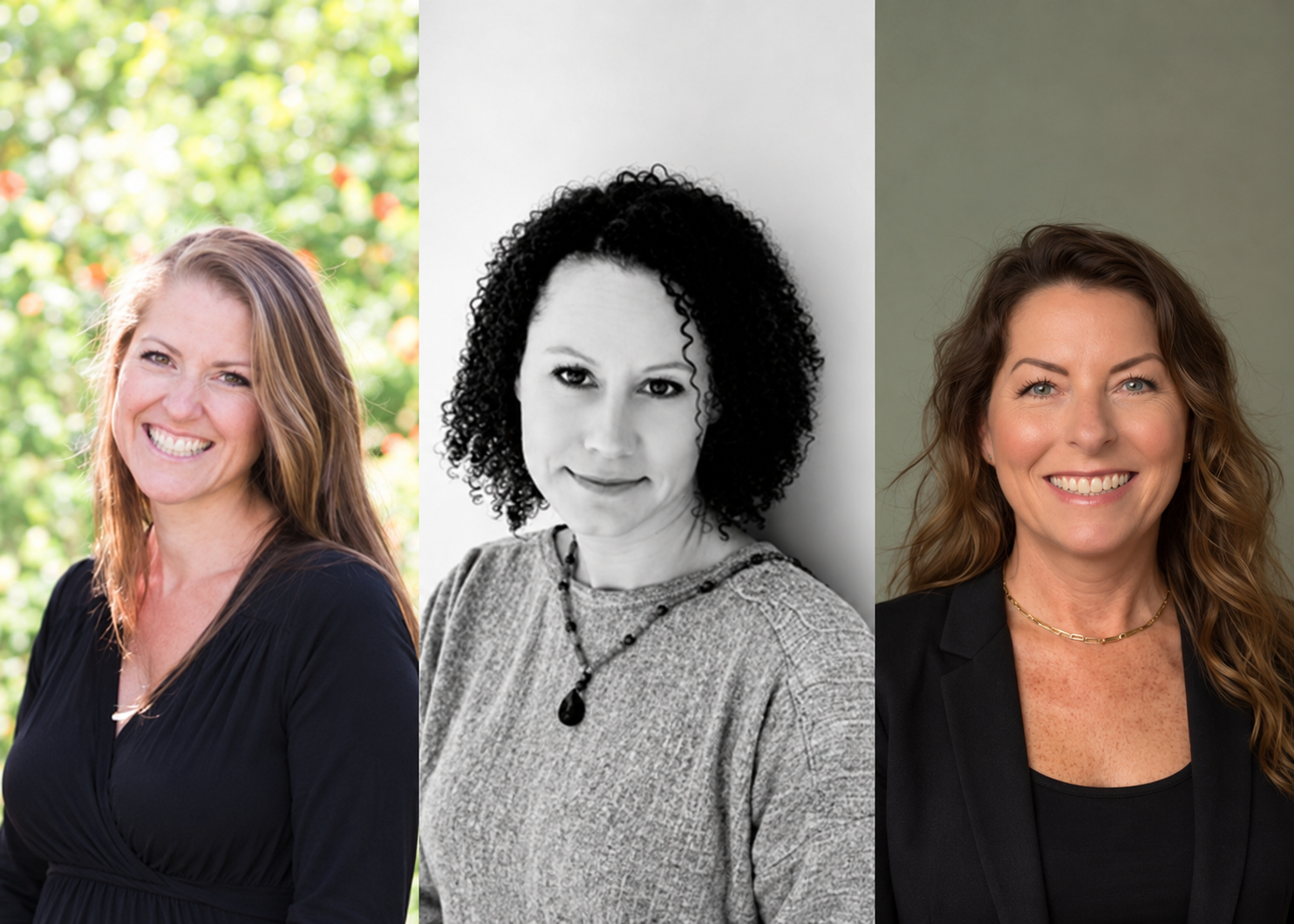
The real story involves three talented women with distinct and overlapping responsibilities.
Jane served as EFRU’s executive director. She developed the concept of mapping industrial hygienists’ testing reports to determine what the Eaton Fire’s ash and debris had deposited throughout the community. She organized EFRU’s membership, built alliances, directed its advocacy strategy, and mobilized survivors and supporters when legislative pressure mattered most.
Jane testified in support of AB 1642 before the Assembly Environmental Safety and Toxic Materials Committee. She also delivered EFRU’s opposed-unless-amended testimony concerning AB 1795 before three legislative committees. She recruited and prepared survivor witnesses, met with legislators and committee staff, organized Calls to Action involving thousands of EFRU members and more than 100 partner organizations, and contacted legislative offices before the Assembly and Senate floor votes. Between March and August 2026, she traveled to Sacramento seven times. Her committee testimony concerning AB 1642 and AB 1795 is part of the public legislative record.
Dr. Nicole Maccalla served as EFRU’s director of data science and education. She developed and oversaw the methodology for analyzing environmental testing reports submitted by affected homeowners. Under her scientific guidance, EFRU’s researchers identified contamination patterns and made those findings available through public maps.
Nicole’s analysis did more than place colorful dots on a map. It supplied scientific grounding for what survivors were experiencing inside their homes.
EFRU’s second map examined homes that had already undergone remediation. Nicole’s analysis found that 96% of those homes still had detectable lead and 36% still tested positive for asbestos. Those findings showed that many insurance-led cleaning protocols were failing to remove wildfire contamination adequately. The post-remediation data received national attention, drew Assemblymember John Harabedian’s attention to the issue, and helped provide the evidentiary foundation for what became AB 1642.
Dawn Fanning became EFRU’s managing director in June 2025 and was instrumental in transitioning the organization into nonprofit status. She oversaw organizational management and financial administration while also playing a critical role in legislative and policy strategy. Dawn led the drafting of position letters, closely analyzing proposed amendments and helping negotiate how AB 1642 would coordinate with AB 1795.
Jane described Dawn as exceptionally sharp and her contribution as indispensable. That is important because correcting Dawn’s title should not diminish her work. Accuracy requires giving Nicole her rightful place in EFRU’s founding and scientific work while also accurately recognizing Dawn’s essential management, policy, and negotiating contributions.
The correction also reveals an important part of the legislative story that I previously missed. EFRU did not simply endorse AB 1795 and cheer it toward passage. The organization took an opposed-unless-amended position and worked to secure changes necessary to make the insurance legislation function alongside the health and safety protections in AB 1642. That required testimony, legal and policy analysis, amendment negotiations, and sustained pressure at virtually every important legislative stage.
The effort extended well beyond these three women. Jeri Curry brought years of disaster recovery and policy experience from Colorado’s Marshall Fire. Kevin Pollack contributed significant legal insight. Dr. François Tissot of Caltech conducted research that paralleled and reinforced EFRU’s data. Dr. Andrew Whelton of Purdue contributed two decades of experience studying environmental contamination following urban fires. Sarah Angel helped bring the findings to the press. Amy Bach and United Policyholders pressed the insurance commissioner and Assemblymember Mike Gipson for meaningful amendments to AB 1795.
Scientists, lawyers, policy experts, communications professionals, community organizations, and thousands of survivors and supporters all played a role. People testified, boarded buses, called legislators, sent emails, and responded to urgent Calls to Action. This sometimes occurred with less than 48 hours’ notice to fully respond.
Jane summarized the real lesson better than I can:
This larger point is important to me: the passing and signing into law of AB 1642 and the amending of AB 1795 was never the work of one person, and it was never simply a lobbying campaign. It required scientific data, legal and policy analysis, legislative strategy, constant engagement with the press and legislative staff, coalition-building, survivor testimony, and mobilizing the public at precisely the moments when calls, emails, and social media pressure could make a difference.
None of us could have accomplished it alone.
I have noted that the original article is corrected and cites to this article because leaving inaccurate information online would compound the error. I am writing this separate article because silently changing the original would not reach the many people who already read it.
Jane, Nicole, and Dawn deserve accurate recognition. So do the many others who combined science, personal experience, legal analysis, and old-fashioned democratic participation to make these laws possible. My apologies for these mistakes.
My view is that this is a much better and more useful true story that others can learn from. I’ll write more about this in the future.
Thought For The Day
“To make a mistake and not correct it: this is a real mistake.”
—Confucius