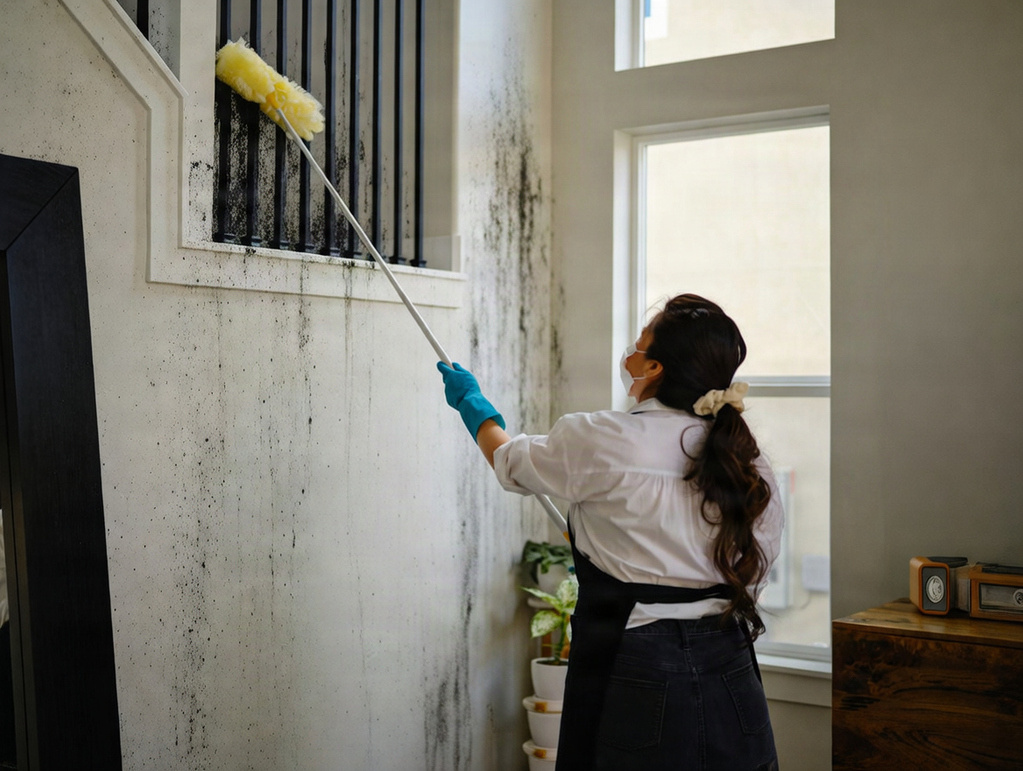
California homeowners whose homes survive a wildfire may nevertheless face extensive smoke contamination, remediation, and displacement. A new California law is designed to change how insurers investigate and handle those claims. On September 15, 2026, Governor Gavin Newsom signed Assembly Bill 1795, the Smoke Damage Recovery Act. The California Department of Insurance describes the measure as establishing enforceable standards for investigating, testing, and restoring smoke-damaged homes. The law addresses a recurring problem in wildfire claims: a structure can remain standing while smoke and related contaminants make the property unsafe, require extensive remediation, or create prolonged disputes over the scope of insurance benefits.
Why Smoke Damage Has Become a Significant Insurance Issue
Wildfire insurance disputes traditionally have focused on homes that are destroyed or visibly damaged by flames. Increasingly, however, fires can affect large residential areas through smoke, ash, soot, and other contaminants even when structures remain standing. After the January 2025 Los Angeles County wildfires, the California Department of Insurance convened a Smoke Claims and Remediation Task Force to examine these issues and develop recommendations on inspection, testing, remediation, restoration, and insurance claims handling.
The resulting policy debate centered in part on the absence of uniform statewide standards for determining when a smoke-affected home requires testing or remediation and when it is safe for occupants to return. AB 1795 was enacted against that background.
What AB 1795 Changes
AB 1795 establishes several protections concerning qualifying wildfire smoke-damage claims. Among other provisions identified by the California Department of Insurance, the law creates a presumption that smoke damage within a wildfire impact zone resulted from the wildfire. It also requires insurers to pay for necessary testing and sampling, establishes timelines for inspections and claims handling, and requires repair estimates designed to restore homes to their pre-loss condition while meeting applicable health and safety standards.
The law also preserves a policyholder’s right to choose restoration contractors and establishes training requirements for adjusters handling smoke-damage claims. These provisions are intended to create a more consistent process for evaluating smoke contamination rather than leaving the scope of investigation and remediation to inconsistent claim-by-claim practices.
Additional Living Expense Coverage
One of the most significant practical issues in smoke-damage claims is whether a homeowner can safely remain in or return to the property. AB 1795 addresses this issue by restricting termination of Additional Living Expense (ALE) benefits for qualifying properties until the home has been restored and is safe for occupancy under the statutory framework.
ALE disputes can be particularly important where an insurer considers a property technically habitable while the policyholder or qualified professionals contend that smoke contamination requires additional investigation or remediation. The new law creates a statutory framework that may affect how those disputes are evaluated.
The Importance of Testing and Documentation
The new statutory framework makes documentation especially important. Homeowners should preserve photographs and videos of the property, inspection reports, environmental testing and sampling results, remediation proposals and estimates, communications with the insurer, receipts for temporary living expenses, and records concerning the condition of the home before and after the wildfire.
Policyholders should also keep copies of all claim correspondence concerning the scope of testing, the insurer’s determination regarding habitability, proposed remediation, contractor selection, and the continuation or termination of ALE benefits. These records can become important if the parties later disagree about the cause, extent, or cost of smoke-related damage.
What the New Law Does Not Mean
AB 1795 does not eliminate the need to evaluate the language of the applicable insurance policy. Coverage questions can still depend on the policy’s definitions, exclusions, conditions, limits, endorsements, and the facts of the particular loss. The new statutory requirements should therefore be considered together with the policy and other applicable California insurance law.
Nor does the existence of smoke contamination automatically establish the amount of a particular claim. The scope and cost of necessary testing, cleaning, remediation, repair, replacement, and related living expenses may still require evidence from qualified professionals and careful analysis of the property’s condition.
Implications for Insurance Claim Disputes
For policyholders, insurers, adjusters, contractors, and attorneys, AB 1795 may substantially change the way standing-home wildfire claims are handled in the future. Questions that previously generated repeated disputes—such as whether testing is necessary, whether smoke damage is attributable to a wildfire, whether a home is safe to occupy, and whether ALE should continue—will now be addressed within a more specific statutory framework.
The law also highlights the importance of early, thorough claim investigation. A policyholder who believes a home has sustained smoke contamination should document the condition promptly and obtain appropriate professional evaluations rather than relying solely on a visual inspection. Likewise, insurers handling these claims will need to account for the statutory investigation, testing, restoration, and claims-handling requirements.
Looking Ahead to 2027
AB 1795 is part of a broader transformation of California’s disaster-insurance framework. The California Department of Insurance has described the legislation as a response to issues identified through wildfire survivor complaints, expert input, and the Department’s Smoke Claims and Remediation Task Force.
For California homeowners, the central takeaway is straightforward: a home that remains standing after a wildfire is not necessarily a home that can safely be occupied without further investigation. The new law recognizes that smoke-related loss can require testing, remediation, restoration, and temporary displacement even when a structure has not been destroyed by flames.
In conclusion, California’s Smoke Damage Recovery Act represents a significant development in property insurance law by establishing standards concerning causation, testing, remediation, habitability, ALE, claims handling, and restoration. As the new law takes effect and is implemented, both policyholders and insurers will need to pay close attention to the statutory requirements and to the evidence supporting the scope of each smoke-damage claim.