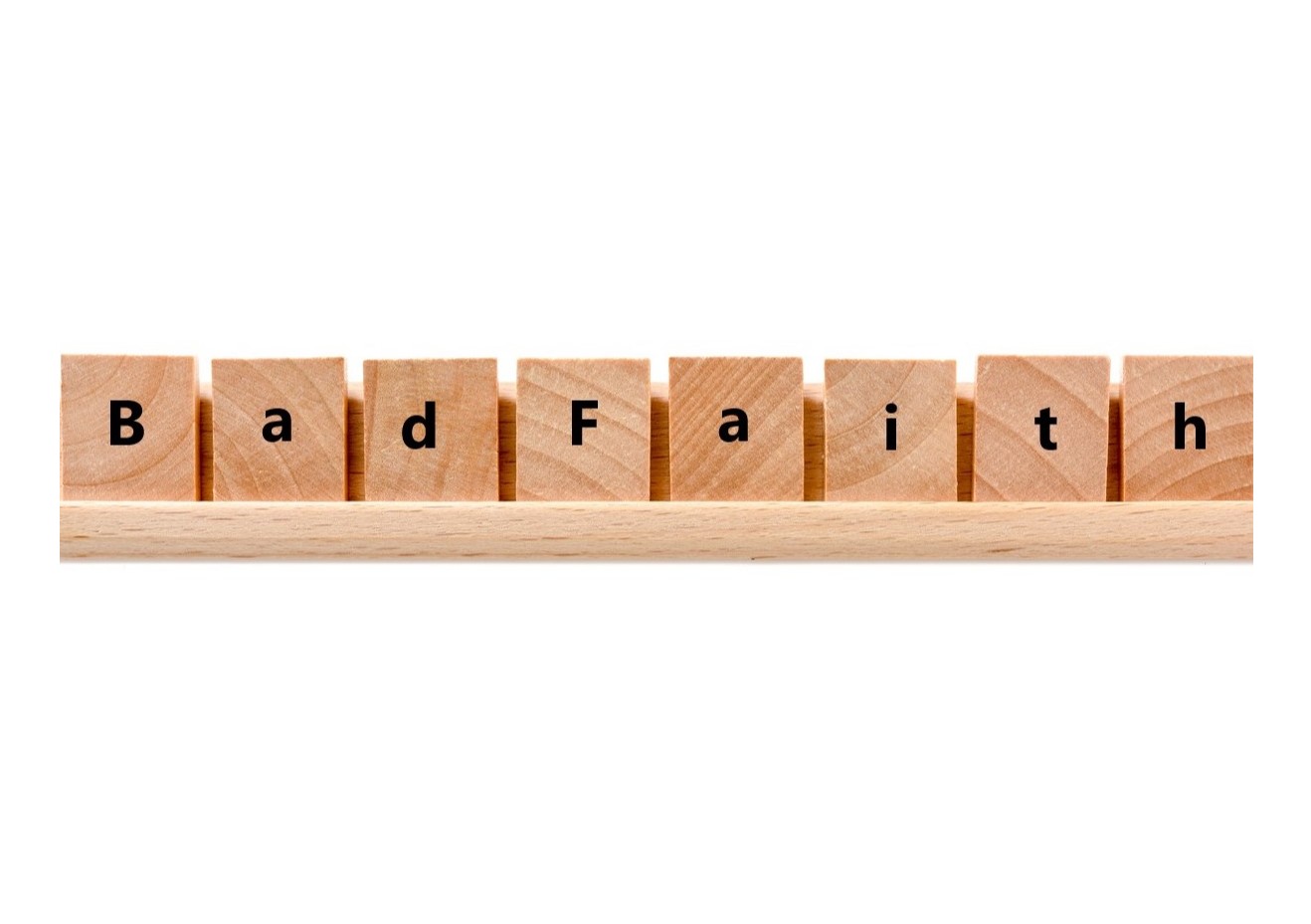

A recent federal court decision out of New York has significant implications for public adjusters, policyholders, and anybody concerned about fairness in the insurance claims process. The case, Barbato v. Interstate Fire & Casualty Company, 1 involves policy endorsements prohibiting insureds from hiring public adjusters after a loss.
The endorsement at issue stated that the insured could not “hire, engage, retain, contract with, or otherwise utilize the services of a public adjuster.” Following a fire loss, the insurer invoked the endorsement and demanded that the insured terminate its public adjuster. The insured complied, and the public adjusting firm sued.
The federal court dismissed the lawsuit with prejudice. The judge concluded that the insurers were merely enforcing contractual rights and that the pleadings failed to sufficiently allege wrongful conduct, improper interference, or a properly defined antitrust market. From a procedural pleading standpoint, the opinion is methodical and grounded in existing New York law.
New York licenses public adjusters. It regulates them. It tests them. It disciplines them. The entire statutory and regulatory framework exists because the Legislature recognized that insureds often need qualified assistance navigating complicated insurance claims. The practical effect of this endorsement is to prohibit policyholders from hiring the very licensed professional the state has authorized to assist them.
The New York Department of Financial Services added another interesting dimension to the case. DFS advised the federal court that it did not have primary jurisdiction over the dispute and acknowledged that New York law does not expressly address or prohibit anti-public-adjuster endorsements. 2 DFS also noted that the insurers involved were excess and surplus lines insurers whose forms were not subject to ordinary policy form approval requirements.
More property insurance risks are moving into the excess and surplus lines marketplace. If anti-public-adjuster endorsements spread within those policies, public adjusters could find themselves systematically excluded from handling many large property claims. More importantly, policyholders suffering catastrophic losses may increasingly be forced to negotiate directly with sophisticated insurers without experienced claim representation.
To be fair, the lawyers representing the public adjusting firm raised serious public-policy arguments. They correctly argued that courts routinely invalidate contractual provisions on public-policy grounds even when no statute expressly prohibits the conduct. They also highlighted the obvious imbalance that exists when an insurer attempts to prevent its insured from obtaining professional assistance after a major loss.
Still, the pleadings in this particular case did not persuade the court. The judge viewed the dispute primarily through traditional tort and antitrust pleading standards rather than through the larger lens of public policy and policyholder protection.
I do not want to unfairly criticize the attorneys involved in this lawsuit. These are difficult and relatively novel legal theories. Sometimes, important litigation first opens the door before later cases walk through it more successfully. In fact, there are currently two other active lawsuits in Florida and Massachusetts involving these same anti-public-adjuster endorsements. From my review, those complaints contain more detailed factual allegations, stronger public-policy development, and more carefully framed legal theories regarding restraint of trade, coercive claim practices, and interference with policyholder rights. I expect those cases to be litigated aggressively and very thoughtfully by counsel involved in those matters.
The bottom line is that this issue is far from over. This debate is not simply about public adjusters protecting their profession. The larger question is whether insurers can use policy language to contractually eliminate access to licensed claim advocates.
Insurance policies are not ordinary contracts negotiated between equal bargaining parties. They are contracts issued within one of the most heavily regulated industries in America precisely because the public interest is involved. The claims process after a catastrophic loss is often one of the most financially and emotionally vulnerable moments policyholders will ever experience. Public adjusters help policyholders navigate the policy terms and valuation during those critical moments after a loss.
Thought For The Day
“The good lawyer is not the man who has an eye to every side and angle of contingency, and qualifies all his qualifications, but who throws himself on your part so heartily, that he can get you out of a scrape.”
— Ralph Waldo Emerson
1 Barbato v. Interstate Fire & Cas. Co., No. 25-cv-5312 (S.D. N.Y. May 15, 2026).
2 Letter from Martha A. Lees, Deputy General Counsel, New York State Department of Financial Services, to U.S. District Court, Judge Koeltl, dated Nov. 7, 2025.