My second day at the PCAPIA Legislative Day in Sacramento was a reminder of something I see every year. These meetings are not abstract policy discussions. They are conversations about real losses and real people still dealing with the consequences.
We spent the day at the Capitol meeting with lawmakers and their staff to talk about the state of insurance in California and the issues policyholders continue to face after catastrophic losses. I was paired with PCAPIA First Vice President Jesse Rubin of Rubin Adjusting and Gabriel Martinez of Cavalry Disaster Advocates out of Chico. It was a great group and an even better set of discussions.
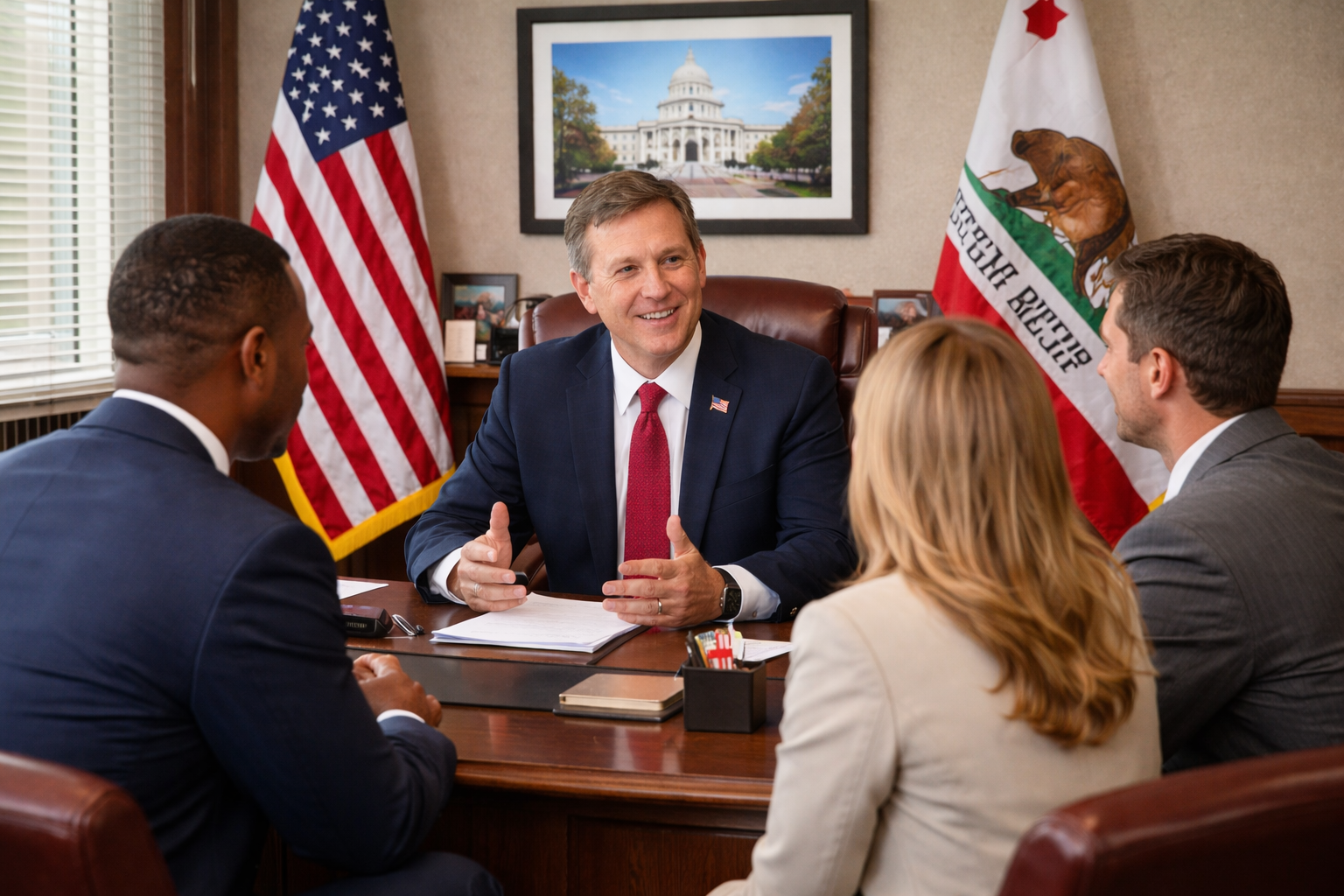
Jesse Rubin is a second-generation public adjuster, and his enthusiasm for helping clients is impossible to miss. Jesse does not talk about claims in theory. He talks about what policyholders actually go through. During our meeting with Senator Roger Niello and his staff, Jesse walked through the realities of personal property inventory claims. Anyone who has had to prepare one understands how tedious and frustrating that process can be, particularly after a major loss. It brought an important practical dimension to the conversation.
Senator Niello was generous with his time, spending about thirty minutes with us discussing the insurance market, consumer challenges, and wildfire related claim issues. A significant part of the discussion centered on still-standing homes after wildfires — one of the most complicated and misunderstood areas of modern property claims.
These fires have exposed a recurring problem. Homeowners often receive inconsistent answers about contamination, safety, and what is actually required to make a home habitable again. That is precisely why Assembly Bill 1795 is so important. AB 1795 is designed to establish clearer standards and expectations for evaluating wildfire impacted properties, particularly where contamination disputes arise. Without that type of structure, policyholders are left navigating uncertainty while carriers and experts argue over methodology and scope.
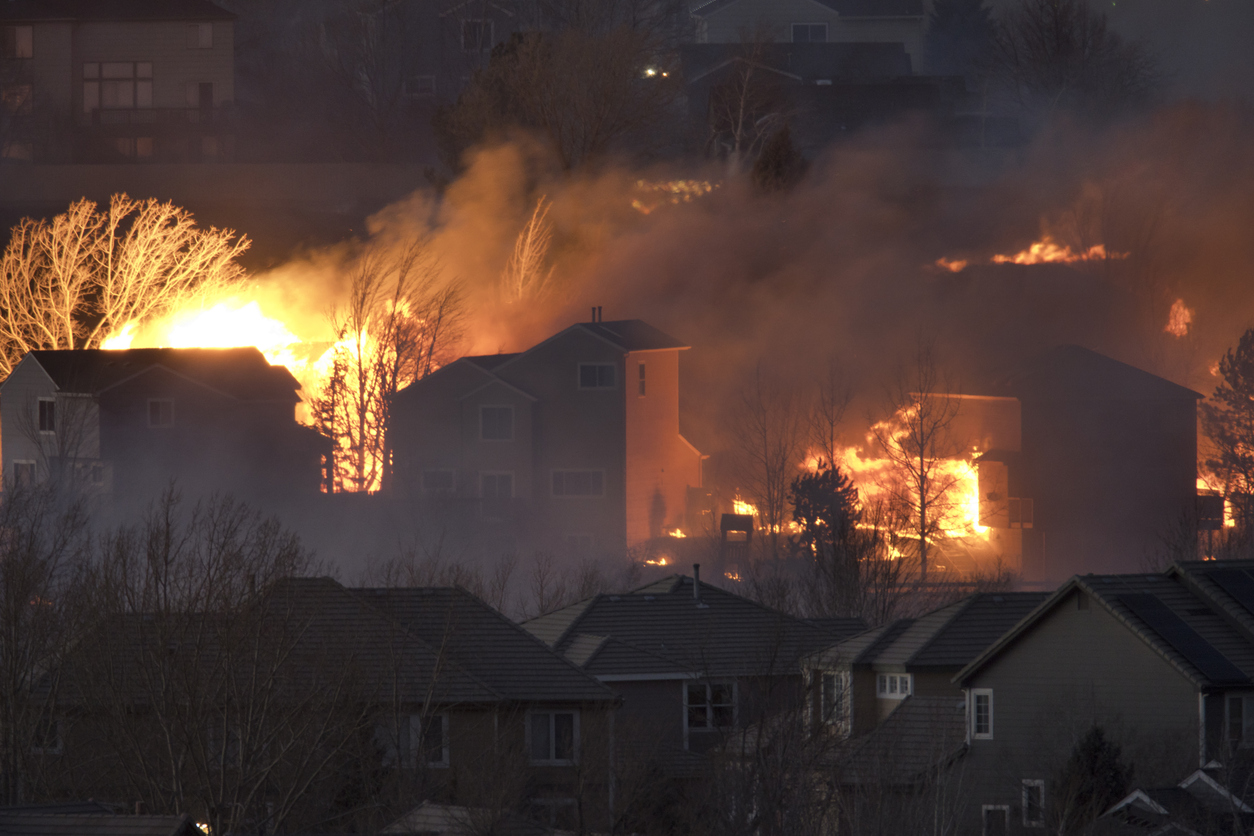
Gabriel Martinez added a perspective that carried real weight. Gabriel shared that his path into public adjusting began after his childhood home and his parents’ home were destroyed in the Camp Fire. That experience shapes how he views claims and consumer protections. It is one thing to discuss wildfire losses professionally. It is another to have lived through one.
I discussed how legislative and regulatory changes following the Camp Fire improved aspects of claim handling for later wildfire survivors, including those affected by the Palisades and Eaton Fires. But improvements do not mean the system is where it needs to be. Gaps remain, especially for homeowners dealing with still-standing homes and contamination disputes. AB 1795 is one of the efforts aimed at addressing those unresolved issues.
One of the more relatable moments of the meeting came when Senator Niello shared that a house fire destroyed half of his home several years ago. He spoke candidly about how unpleasant it was to prepare an inventory list. That type of firsthand understanding matters. Behind every claim file is a family dealing with disruption, stress, and financial uncertainty.
I was also impressed by Senator Niello’s staff. Their understanding of public adjusters and the claims process was evident. They recognized the role public adjusters play in helping insureds navigate complex losses and were aware of PCAPIA’s prior advocacy efforts, including its opposition to proposed fee restrictions that would have made it harder for many consumers to obtain representation.
By the end of the day, I found myself thinking about something that consistently stands out at PCAPIA’s Legislative Day. The adjusters who attend year after year are among the most experienced professionals in the field. They have handled the toughest claims, seen the system at its best and worst, and continue to show up to advocate for policyholders.
These are the true experts of the profession. And with adjusters like Jesse Rubin and Gabriel Martinez, the future of consumer advocacy in this space looks very strong.