
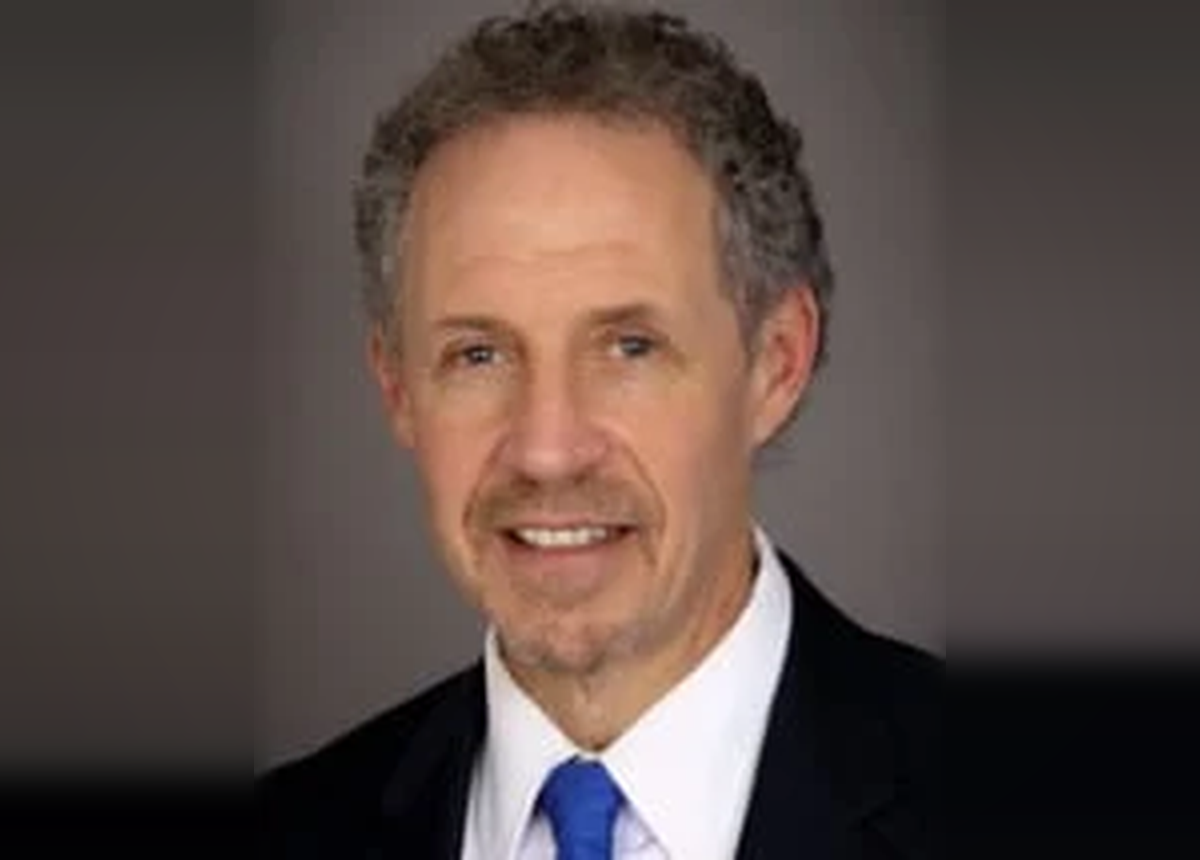
NAPIA’s Annual Meeting last week was a reminder of why the best professional claims conferences are not about golf, cocktail hours, or collecting continuing education credits. They are about sharpening the tools of our trade. The quality of the presentations was excellent, and Joel Gumbiner’s presentation, The Problem Claim, stood out because it addressed something every serious property claims professional faces about claims that look ordinary, until they are not.
Joel has spent decades representing policyholders in insurance coverage, bad faith, appraisals, arbitrations, mediations, trials, and appeals. His professional profile reflects deep involvement in property insurance law, including major California insurance cases and claims practice. I always have a smile on my face when I see him and can hardly wait to speak with him about current property insurance law developments.
What made Joel’s presentation so valuable was its practicality. It was not boring theory wrapped in a pretty PowerPoint presentation. It was the type of claims wisdom earned from being in the trenches. While some may call it nerdy, those people probably have claims explode because nobody read the policy early, identified the right insured, checked the lease, asked who owned the tenant improvements, reviewed the protective safeguard endorsement, or noticed that two policies were colliding like boats at a crowded mark rounding. Masters in our field do not miss these issues.
Joel’s basic message was that problem claims usually tell you they are problem claims early. The question is whether the claims professional handling the file is paying attention. His slides urged public adjusters to “read the room” early and often, to determine what is holding up progress, where the disconnect exists, and whether the problem is facts, coverage, the property insurance adjuster, or something else. That is good public adjusting advice and a lesson in great claims leadership.
One of Joel’s strongest points was the need to read all of the policies early. That sounds basic, but many coverage disasters start with somebody assuming the policy says what the last policy said. It rarely does. Location glitches, named insured problems, insurable interest issues, unmet policy conditions, protective safeguards, landlord-tenant disputes, HOA-unit policy conflicts, difference-in-conditions policies, other insurance clauses, and coinsurance problems are not exotic issues. They are claim grenades with the pin already half-pulled or a land mine with your foot about to step on it.
The presentation also correctly emphasized that factual complexity can be just as dangerous as coverage complexity. Water losses involving duration of leakage, damage caused during remediation, discarded plumbing parts, disputed causation, destructive testing, multiple occurrences, and repair scopes that look wildly disproportionate to the visible damage can change the entire posture of a claim. The best claims professionals do not wait until litigation to build the factual record. They preserve evidence, hire the right experts early, document the claim, and make certain the insurance carrier adjusters confront the real facts before positions harden into claim denial, delay, and litigation.
Joel also gave a refreshingly candid discussion about dealing with lazy, inexperienced, overworked, or difficult property insurance adjusters. His advice was not to posture, but to adjust the game plan about how to interact. He stressed that public adjusters should educate without condescending and respect the person on the other side, even when the experience gap is obvious. He suggested that public adjusters paper the file perfectly with a respectful tone, use visuals, retain the right experts, make presentations, and invite supervisors. He stressed that public adjusters should look for ways to break the logjam before everybody spends two years and a fortune in litigation proving what should have been obvious during the adjustment.
Joel’s lessons are the type of message the property insurance claims industry needs. Property insurance claims are supposed to be resolved through good faith investigation, communication, documentation, expertise, and prompt payment of what is owed. Too many claims deteriorate because professionals on one side or the other fail to diagnose the real issue early. A claim is not made better by ignoring the hard question. It is made better by identifying the hard question and dealing with it honestly.
Joel Gumbiner did a masterful job reminding NAPIA attendees that great claim handling requires more than estimates and emails. It requires judgment, curiosity, and professional humility. It requires reading and understanding the policy, reading the file, reading the facts, and, as Joel put it, reading the room.
The best public adjusters should treat Joel’s presentation as a checklist. Not because every claim is a problem claim, but because every claim has the potential to become one if the obvious warning signs are missed. Property claims professionals who want to do the job correctly should take Joel’s lessons to heart. They should look to attend his next presentation.
I sometimes say that if you want to be with and see the most fit humans in the world, show up once every four years at the men’s 10k finals at the Olympics. If you want to be in one room where you can learn from and find the greatest collection of the best public adjusters in the world, show up at the Annual NAPIA Meeting.
Thought For The Day
“Treat them as equal even if they have only one year experience and you have 30 years. It’s a skill—learn it.”
— Joel Gumbiner, The Problem Claim, 2026 NAPIA Presentation.