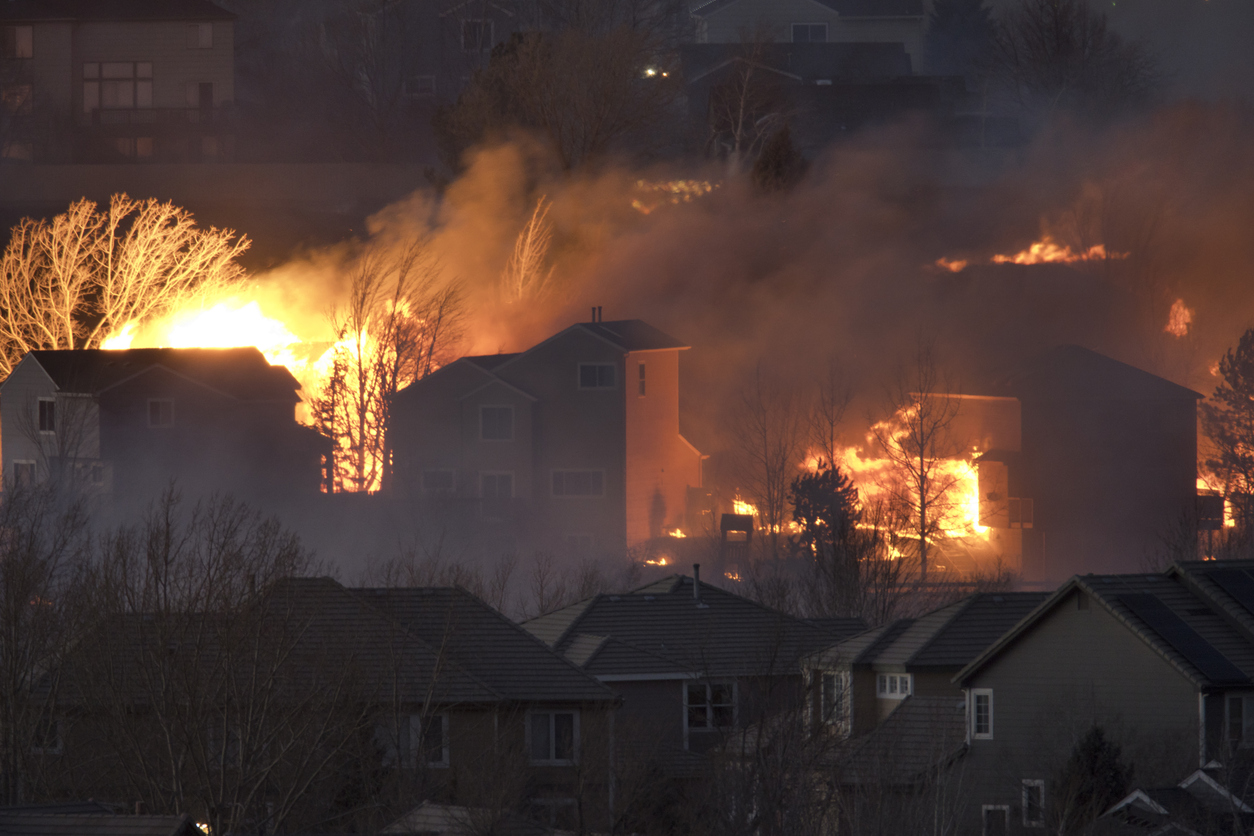
I hear from State Farm fire victims almost every day. The complaints are usually not complicated. They paid premiums for years. Their homes were damaged or destroyed. They submitted claims. And months later, they are still waiting for answers, payments, estimates, testing decisions, or basic claim direction.
Merlin Law Group previously wrote about the California Department of Insurance’s market conduct examination in State Farm’s handling of the January 2025 Eaton and Palisades wildfire claims. I also spoke about this recently at the PCAPIA Annual Event in May, where public adjusters wanted to know whether the Department’s findings would amount to meaningful enforcement or simply another slap on the wrist. They also wanted to know whether any fine would actually go back to policyholders harmed by the claim handling practices, or whether it would simply be paid to the State and used for other purposes.
That question is now more important because the Department has filed an Accusation and Order to Show Cause against State Farm after reviewing a sample of 220 claims and finding 398 alleged violations in 114 of them. The alleged violations include delays, failure to send required status letters, late payments, communication problems, underpayment issues, repeated adjuster reassignment, smoke damage disputes, and issues involving hygienist testing.
Now Every Fire Survivor’s Network, or EFSN, is asking to participate in that proceeding. 1
EFSN is a survivor-led organization formed after the Eaton and Palisades fires. EFSN represents and communicates with thousands of fire survivors and has collected more than 1,600 firsthand accounts from State Farm policyholders about their claim experiences. Those accounts reportedly include recurring complaints involving delay, adjuster reassignment, smoke and ash testing disputes, low estimates, underpayment, and additional living expense issues. EFSN wants to become a party and litigate against State Farm.
The petition raises a practical issue. Each wildfire claim is different and has to be evaluated on its own facts, including the damage, policy language, estimates, expert opinions, payments, and disputes. But when similar complaints appear across many claims from the same catastrophe, regulators should consider whether those complaints reflect isolated mistakes or a broader claim handling problem.
That appears to be one of the central issues in the Department’s case. State Farm will likely take the position that the alleged violations do not amount to a general business practice. EFSN argues that its policyholder accounts are relevant because they come from outside the Department’s limited claim sample and may show similar issues across a larger group of claims.
The examples are familiar to anyone working on these fire claims: multiple adjuster assignments, disputes over smoke and ash testing, delayed review of temporary housing and other receipts, and disagreements over whether repair or remediation estimates reflect the actual cost of the work. For policyholders, these are not just claim file issues. They affect housing, repairs, out-of-pocket expenses, and the ability to move forward.
Whether EFSN is allowed to intervene will be an important issue to watch. CDI has its examination file. State Farm has its response and defenses. But policyholders have the claim experience. If the proceeding is going to decide whether State Farm’s conduct was isolated or systemic, the people who went through the claim process may have relevant evidence to offer.
From what I am hearing daily, many State Farm fire survivors are still trying to get clear answers, final positions, and timely payments. Their experiences should be part of the record.
1 In the Matter of State Farm Gen. Ins. Co., No. OSC-2026-00001 (Cal. Ins. Comm’r 2026).