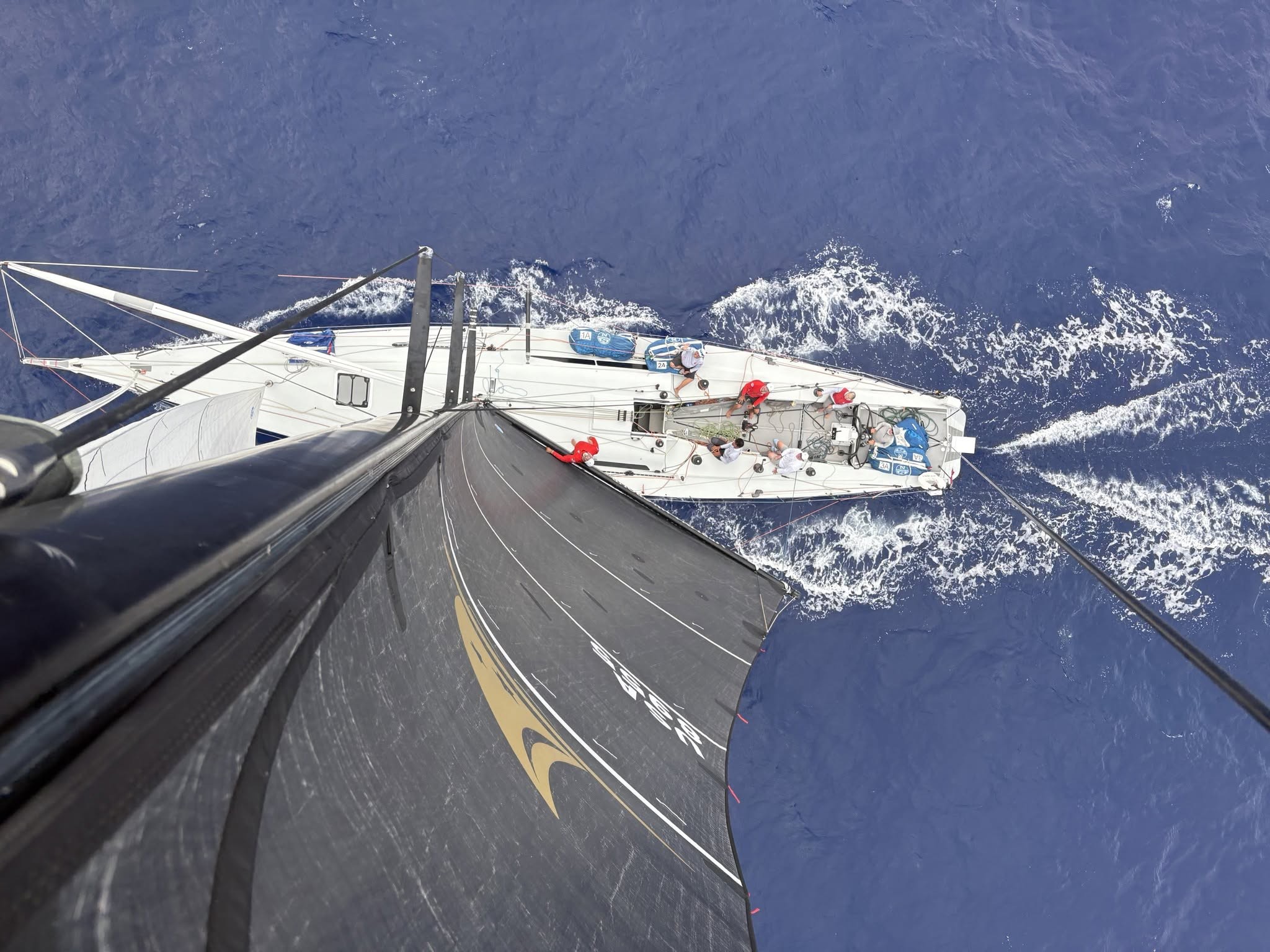
I am currently racing Merlin in the 2026 Pacific Cup. One of the most obvious lessons from this race has nothing to do with rating certificates, weather prediction, sail inventory, or boat speed. It has to do with people.
Nobody sails to Hawaii alone.
It is true even when the sailor has talent. Offshore racing has a cruel way of exposing the myth of the lone genius. The ocean does not care about résumés, speeches, confidence, or wishful thinking. It rewards preparation, judgment, discipline, humility, and teamwork.
I have been impressed by the boats in this Pacific Cup fleet. But I have been even more impressed by the teams.
Roy Disney’s Pyewacket program is a perfect example. Roy did not simply bring a famous boat and hope for the best. He built a team with extraordinary depth. His crew includes sailors with America’s Cup experience, Olympic medals, around-the-world racing victories, decades of Transpac knowledge, professional rigging and sailmaking expertise, and the kind of offshore judgment that cannot be downloaded or faked. Peter Isler, Torben Grael, Bouwe Bekking, Mark Towill, Scott Easom, Ben Mitchell, and the rest of that crew represent an enormous amount of accumulated mastery.
The Pyewacket team was not built by accident but through leadership.
The same lesson appears throughout the fleet. Zeus brings a foil-assisted modern race boat with people who understand high-performance offshore sailing, technology, sail design, and Southern Ocean-style discipline. Vitesse has Olympic sailors, America’s Cup sailors, professional bowmen, pit specialists, and offshore veterans. Ragtime has sailors who understand not just racing, but the stewardship of a legendary boat. Gem reflects the long West Coast sled tradition with sailors who know what those boats are supposed to do when the Pacific starts opening up.
These teams are not collections of people who happen to be available. They are intentionally built.
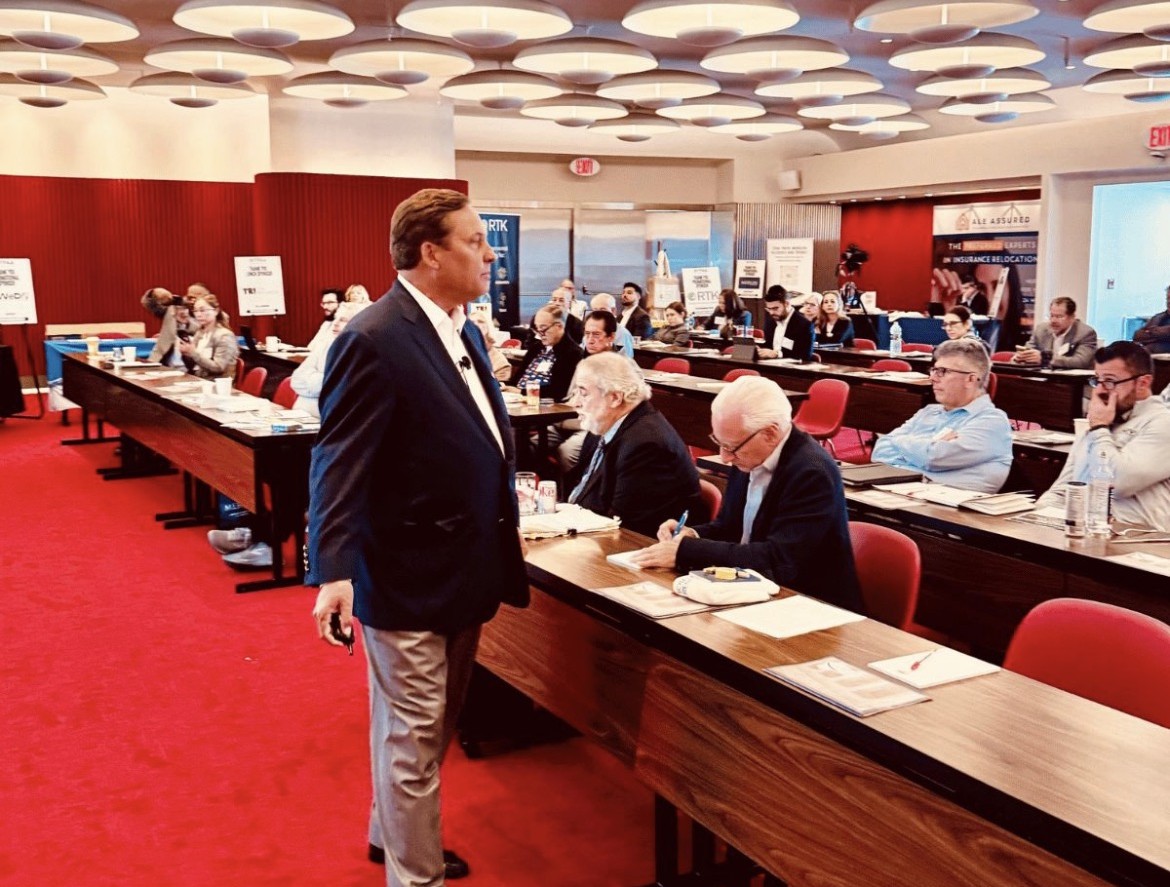
In my book, Mavericks and Merlins, I wrote about sailing, risk, leadership, and some of the personal philosophies that have shaped my life. One of the lessons I keep returning to is that mastery matters. I have spoken about mastery many times to public adjusters, lawyers, contractors, and others who want to become better at their craft. But mastery is not merely individual excellence. Real mastery includes knowing how to build, join, and lead a great team.
A great skipper does not pretend to be the best navigator, best bowman, best trimmer, best engineer, best cook, best sailmaker, and best psychologist on the boat. A great skipper understands the mission and then finds people who bring the strengths the mission requires.
Teams matter. This is true even in the public adjuster business. The best public adjusters are not lone heroes riding into town with a clipboard and an opinion. The best outcomes usually require a team. A major property loss may require estimating expertise, construction knowledge, engineering, contents specialists, accountants, restoration professionals, business interruption experts, and disciplined documentation. One person may lead the claim, but one person rarely masters every necessary discipline.
Trial law is the same. Business is the same. Leadership is the same. Families, firms, and winning cultures are the same.
The public adjuster who thinks he must do everything himself will eventually meet a claim too large, too complex, or too technical for ego to carry. The lawyer who thinks he is the whole show will eventually get beaten by a better-prepared team. The business leader who refuses to recruit people smarter than himself is not building a business. He is building a ceiling.
Offshore racing strips this lesson down to its bones. Somebody must navigate. Somebody must drive at the helm. Somebody must trim the sail. Somebody must call the sail change. Somebody must handle the bow. Somebody must fix the electronics. Somebody must go up the mast when the wind instruments fail. Somebody must cook, clean, encourage, question, repair, and keep watch when everyone is tired.
The boat only wins when all those roles come together. That is why I admire the teams in this race. Competition should not blind us to excellence. In fact, good competition helps reveal excellence. Roy Disney’s Pyewacket team is impressive because it reflects the seriousness of the mission. The same can be said for many of the other programs in this fleet. They have recruited talent, experience, judgment, and specialists. They understand that winning offshore is not a solo performance. It is an orchestra.
Merlin teaches the same lesson. She is a historic boat, but history does not trim the spinnaker at 3 a.m. History does not repair a masthead unit. History does not read a weather file, grind a winch, drive through a squall, or make a hard decision after days of little sleep. People do that.
The best teams are built on honesty and trust. Trust allows a navigator to speak plainly. Trust allows a bowman to say an evolution is not ready. Trust allows a trimmer to push for more speed and a watch captain to say it is time to protect the boat. Trust allows strong personalities to disagree without breaking the mission. When racing, trust among teammates is speed.
The ocean is a brutal teacher. It exposes ego, weak preparation, and poor communication. It exposes people who talk a better game than they sail. But it also rewards teams that respect the task, respect each other, and keep learning how to be better sailors and go faster.
Mastery and teamwork are lessons I would recommend to anybody watching this race from shore. Build the team before the storm. Recruit people with judgment, not just credentials. Value specialists. Listen to those who know more than you do, but appreciate that lessons can be learned from anyone on your team. Create a culture where people can speak the truth before the mistake becomes expensive. Do not confuse being in charge with having all the answers and earned respect.
Great things are rarely done alone.
Nobody sails to Hawaii truly alone. And nobody builds a great insurance claim practice, law firm, business, or life alone either.
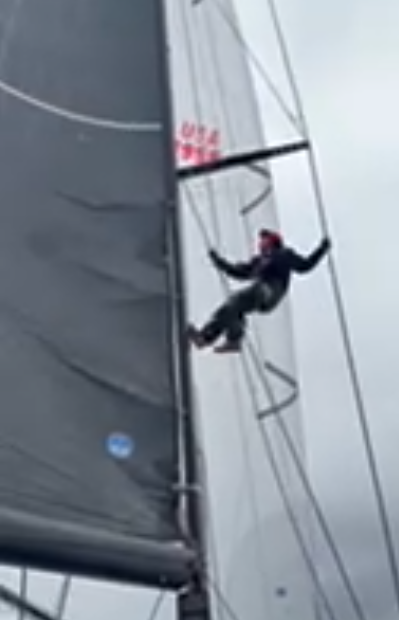
For those interested in following the race, I suggest going to the Pacific Cup homepage. You can read about the boats, teams, race updates, and even track the progress of the race. The video above shows Merlin’s bowman, Mike Rohde, going to the masthead for the third time in a day as we repaired our wind instrument wand during the race.
Thought For The Day
“No one can whistle a symphony. It takes a whole orchestra to play it.”
— H.E. Luccock