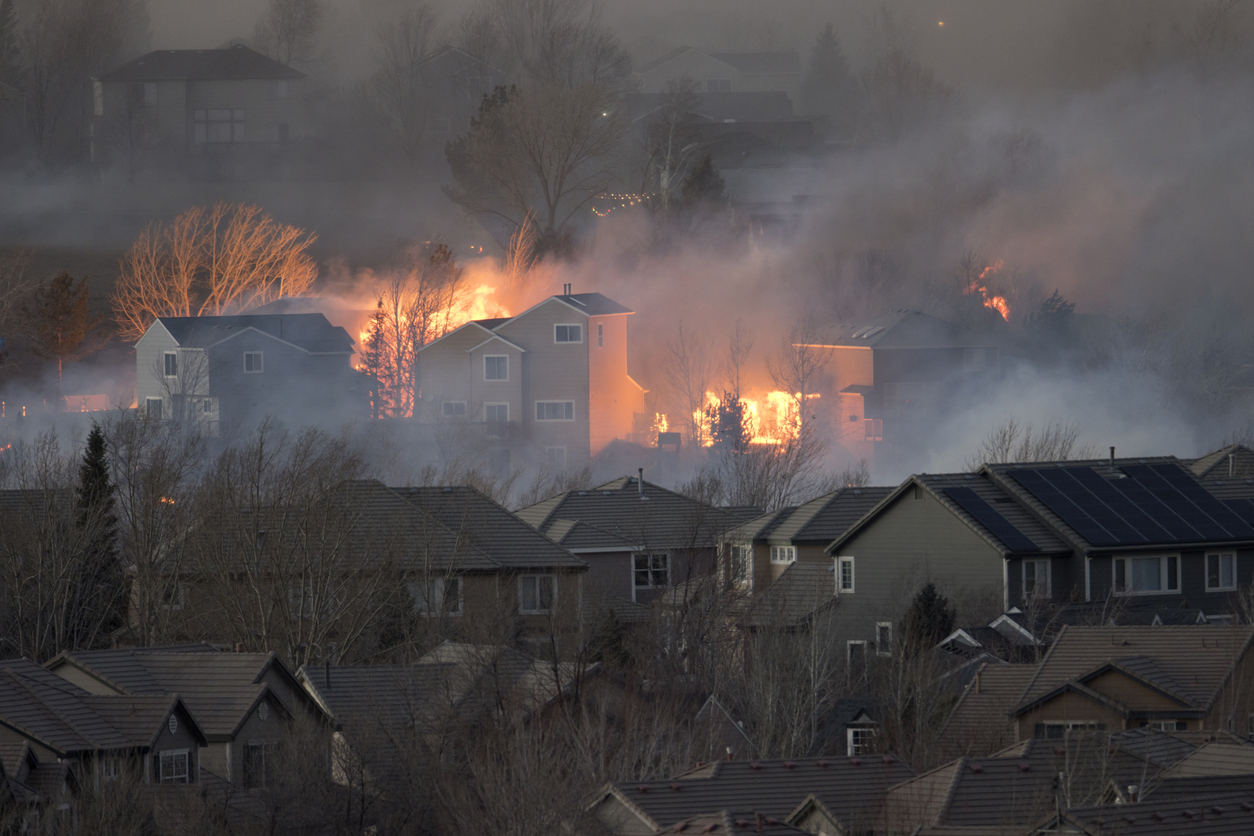
Colorado’s wildfire season has escalated into a statewide emergency for many residents and property owners. Local reporting shows that Colorado wildfires have burned more than 80,000 acres since last week, with smoke impacts across much of the state, and multiple fires forcing evacuations from the Western Slope to southern Colorado.
The Snyder Fire on the western slope, the Aspen Acres Fire in Custer and Pueblo counties, the Willow Fire west of Leadville, the Gold Mountain Fire in Ouray County, and the Ferris Fire in Dolores and Montezuma counties are among the significant fires affecting Colorado communities today. Several of these fires remain at or near 0% containment, have prompted evacuation notices, and have resulted in damaged homes.
A wildfire claim may involve not only a burned structure, but also smoke, soot, ash, water damage from suppression efforts, destroyed contents, and prolonged displacement. Being organized and proactive from the beginning can help protect your home, preserve your insurance rights, and improve the likelihood that your claim is handled fairly and efficiently.
Immediate Steps Post-Wildfire
Protect Your Health: Wildfire debris can contain ash, soot, melted plastics, and other contaminants. Smoke and soot contamination may also affect homes that did not burn, including HVAC systems, insulation, soft goods, and electronics. Use appropriate protective equipment before evaluating damaged areas, and avoid disturbing debris until you understand whether special cleanup procedures are required.
Track Evacuation and Temporary Living Expenses: If you are displaced, immediately begin saving receipts for hotels, short-term rentals, meals, mileage, clothing, storage, transportation, and other necessary expenses. Additional Living Expense coverage may reimburse increased costs while your home is being repaired or rebuilt, depending on the policy. The Colorado Division of Insurance specifically advises evacuated residents to verify Additional Living Expense coverage and keep receipts for reimbursable expenses.
Prepare a Detailed Inventory: Make a detailed list of all damaged or destroyed property and belongings. Include brand names, model numbers, approximate age, replacement cost, and supporting photographs, receipts, credit card statements, and online order histories.
Understanding Your Insurance Policy
Policy Review: It is important that you request a complete, certified copy of your insurance policy from your insurance company, including the declarations page, all endorsements, exclusions, forms, and provisions in effect on the date of loss. Under Colorado law, a homeowner’s insurer must make an electronic or paper copy of the policy available within three business days after a request and a certified copy available within thirty days after a request.
Review All Potential Coverages: Wildfire losses often involve many categories of coverage. Carefully review dwelling coverage, personal property, additional living expense, debris removal, ordinance or law coverage, inflation protection, smoke damage, and any special limits for valuables.
Understand Colorado Wildfire Protections: Colorado law includes important protections that may apply after a wildfire loss. Replacement cost homeowner policies are required to include additional living expense coverage for at least twelve months, and insurers must offer the opportunity to purchase twenty-four months of additional living expense coverage.
For certain total losses arising from a governor declared wildfire disaster, additional protections may apply, including minimum timelines to submit receipts and invoices for replacement costs, and potential extensions for delays beyond control. Colorado law also requires insurance companies to offer at least 65% of the contents coverage limit without requiring a written inventory in a declared wildfire disaster involving total loss of owner-occupied contents while still allowing you to seek additional benefits by submitting an inventory.
Claim Filing Deadlines: Ensure that you are aware of and comply with any deadlines in your policy, including deadlines for notice, sworn proof of loss, inventory submission, replacement cost claims, additional living expense submissions, lawsuit limitations, and supplemental claims.
Watch for Underinsurance: Wildfire rebuilding costs can exceed policy limits. Review whether your policy includes extended replacement cost, guaranteed replacement cost, ordinance or law coverage, inflation guard, debris removal, and adequate additional living expense limits.
Filing Your Claim
Notify Your Insurer Promptly: Promptly contact your insurance company or agent to report the loss and open a claim. Failure to provide timely notice may create unnecessary disputes and may allow an insurance company to argue that your delay prejudiced its investigation.
Request Immediate Assistance: If you are displaced, ask whether your insurance company will advance additional living expense benefits for housing, food, transportation, clothing, and other urgent needs. If your home is a total loss, ask whether your insurance company will issue advances for dwelling, contents, debris removal, and advance additional living expenses while the full claim is being evaluated.
Submit Detailed Documentation: Provide your insurance company with photographs, videos, inventories, receipts, contractor estimates, engineering reports, and any smoke or soot testing.
Do Not Overlook Smoke, Soot, and Ash Damage: A home does not have to burn to sustain a serious wildfire loss. Smoke, soot, ash, and airborne contaminants can damage HVAC systems, insulation, electronics, furniture, clothing, artwork, and appliances. If your insurance company treats your loss as a simple cleaning, consider requesting proper environmental testing, HVAC inspection, and an evaluation by qualified wildfire restoration professionals.
Record Keeping: Maintain detailed records of all written and electronic communications with your insurance company, including dates and names of representatives. Confirm important conversations in writing. Keep a separate folder for receipts, estimates, mileage logs, temporary housing expenses, mitigation invoices, and professional reports.
Get Independent Repair and Rebuild Estimates: Large wildfire estimates often miss code upgrades, demolition, smoke remediation, architectural fees, engineering fees, permitting, and the fees for a general contractor.
Seeking Professional Help
Consult a Specialist: If your claim is complex, your home is a total loss, your insurer’s estimate seems too low, smoke damage is disputed, or your additional living expense payments are delayed, consider consulting experienced claim professionals early. A licensed public adjuster can be especially valuable in a wildfire claim by helping document the full scope of building, contents, and additional living expense damages; preparing or reviewing estimates and inventories; and advocating for you during the adjustment process. The Rocky Mountain Association of Public Insurance Adjusters is a helpful resource for locating experienced Colorado public insurance adjusters. Depending on the loss, you may also need a structural engineer, industrial hygienist, or contents specialist.
Be Careful With Contractors and Vendors: After major disasters, policyholders are often approached by contractors, remediation vendors, and debris removal companies. Do not sign blank contracts, assignments of benefits, broad authorizations, or agreements you do not understand.
Legal Assistance: Experienced property insurance counsel can help policyholders understand their rights under the insurance policy and Colorado law, respond to underpayment, and challenge improper delays or denials. If you find the insurance claims process daunting, face unfair delays, or receive a denial or inadequate payment, consider reaching out to Merlin Law Group for professional advice to ensure you are receiving fair treatment and the full compensation available under your policy.