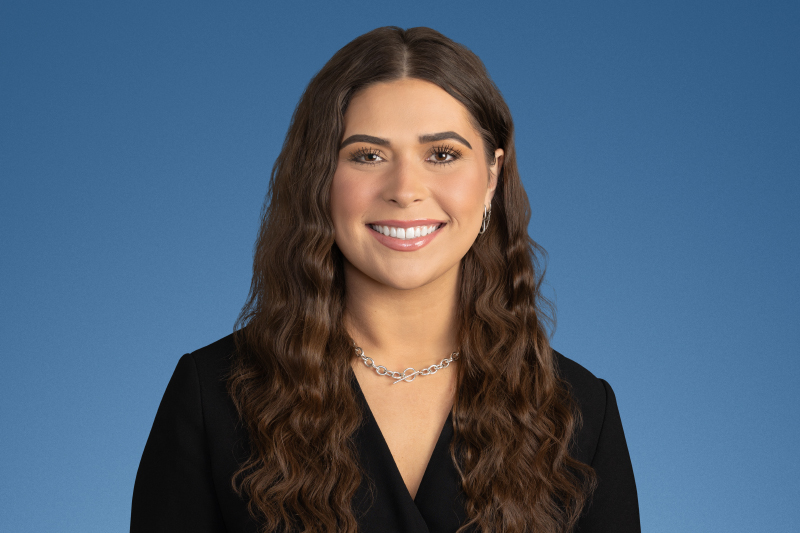
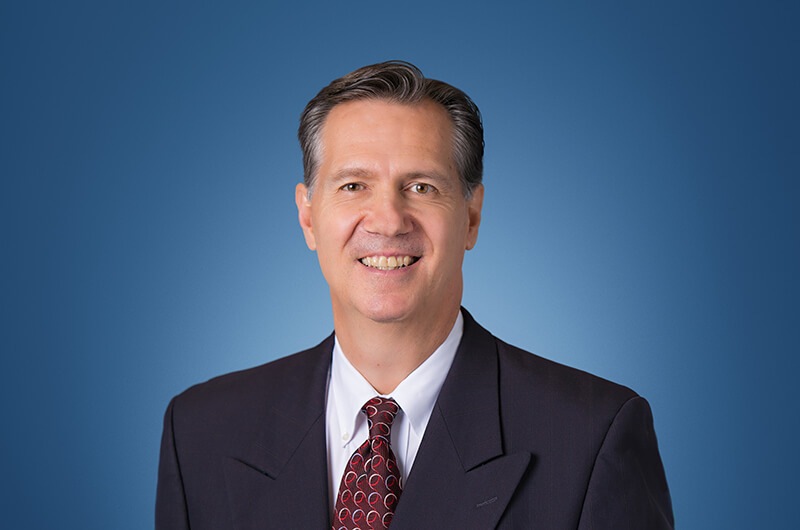
I was recently discussing examinations under oath with our Chicago attorneys, Emily Cabadas, Christina Phillips, and Ed Eshoo. Emily is considering a presentation on the subject, and Ed sent us an article he wrote years ago that remains an important study of EUOs. 1
Ed has spent decades representing policyholders and has coordinated the investigation of more than a thousand insurance claims. His article covers nearly every important aspect of an examination under oath. Five points particularly stand out.
First, an examination under oath is not simply a deposition taken before a lawsuit. A deposition is governed by the Rules of Civil Procedure. An EUO is governed primarily by the insurance contract and applicable state law. It is part of the insurer’s claim investigation, and many of the procedural protections lawyers routinely associate with depositions may not apply. An attorney who approaches an EUO as if it were just another deposition can unintentionally place the policyholder’s coverage at risk.
Second, preparation is counsel’s most important responsibility. The policyholder must be prepared to testify accurately about the loss, the claim, the insurance application, prior statements, estimates, inventories, finances, and any other matter reasonably material to the investigation. Counsel should obtain and review the policy, prior recorded statements, photographs, estimates, investigative materials, and underwriting documents whenever possible. Small inconsistencies that could have been explained beforehand can look far more suspicious when discovered during sworn testimony.
Third, the insurer’s investigative authority is broad but not unlimited. Questions must concern matters material to the loss, the claim, or the insurance. Requests for documents must also be material, reasonable, and sufficiently specific. If the insurer has a legitimate basis to investigate possible fraud, financial records and information concerning prior losses may become material. But an EUO provision is not a blank check permitting an insurer to demand everything it might find interesting about a policyholder’s life.
Fourth, actual compliance matters. A prior recorded interview ordinarily does not substitute for a formal examination under oath, nor do written answers to questions. Depending on the policy language, multiple insureds may be examined separately, and a business must designate a representative who is genuinely knowledgeable and prepared. Simply producing somebody who knows little about the claim may not satisfy the corporation’s contractual obligation.
Fifth, noncompliance or false testimony can destroy an otherwise valid claim. Refusing to appear, withholding material documents, or declining to answer material questions may result in forfeiture of coverage. Courts differ over whether strict or substantial compliance is required and whether the insurer must demonstrate prejudice. An intentional material misrepresentation can also void coverage under the policy’s fraud and false-swearing provision. An innocent mistake is not necessarily fraud, but deliberate exaggeration or concealment can be fatal.
Ed’s larger warning deserves attention. A significant amount of EUO litigation appears to result from strategy, gamesmanship, and poor legal advice rather than any genuine effort to discover the truth. Policyholders should fully cooperate with legitimate investigations, but that cooperation does not require surrendering every contractual and legal protection they possess. The safest course is informed preparation guided by counsel who understands that an EUO occupies its own unusual and sometimes dangerous corner of insurance law.
These are only five of the many issues Ed examines. His discussion also addresses the Fifth Amendment, separate examinations of multiple insureds, waiver, defective notices, transcript requirements, public adjusters, mortgagees, corporate representatives, and innocent co-insureds. Anybody facing, preparing for, or requesting an examination under oath should read Ed Eshoo’s full article.
Thought For The Day
“Come and show me another city with lifted head singing so proud to be alive.”
—Carl Sandburg, “Chicago”
1 Ed Eshoo, Jr. “Everything You Always Wanted to Know About Examinations Under Oath – But Were Afraid to Ask!” Adjusting Today (2007).