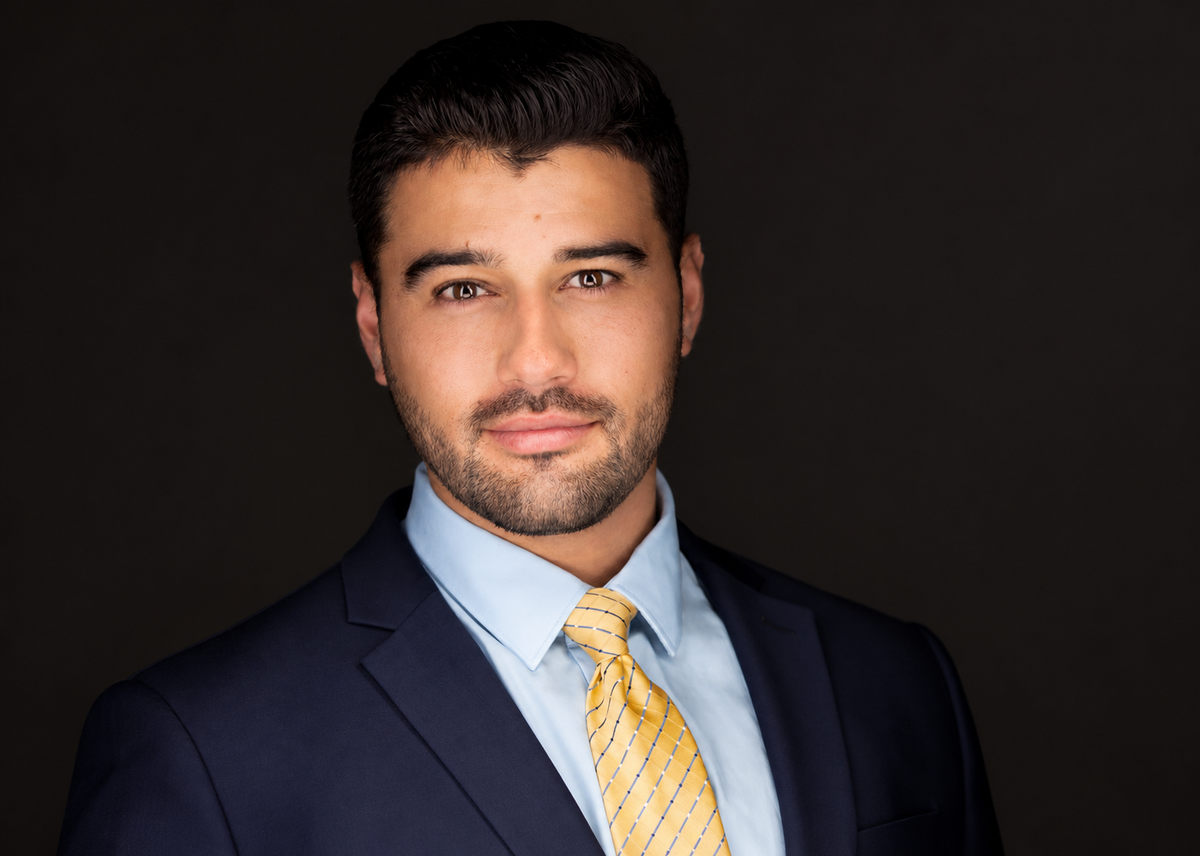
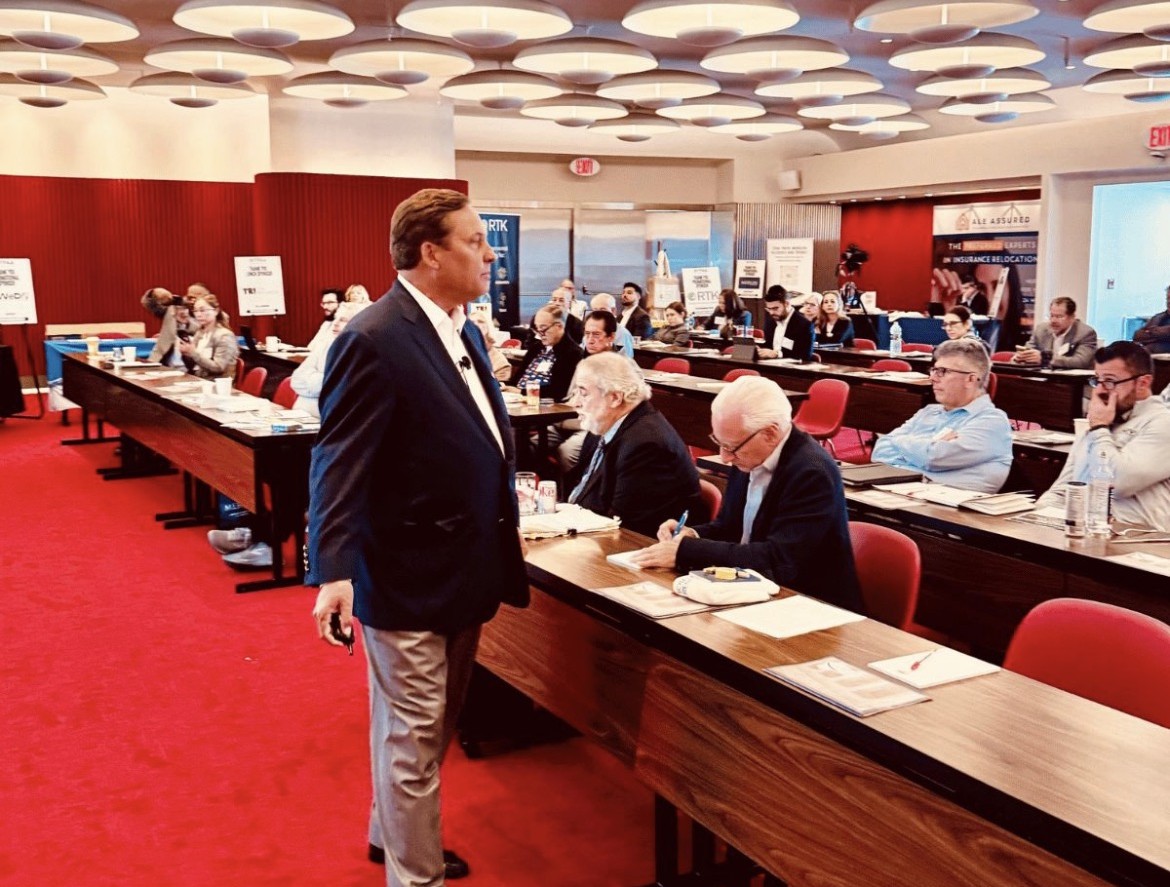
I attended the NYPAA’s annual meeting at the TWA Hotel at JFK Airport last week with Chip Merlin, Javier Delgado, and the Northeast team’s newest member, Miguel Martinez. I always love visiting the time capsule that is TWA, and the two-day conference offered a strong range of programming covering some of the industry’s most pertinent issues right now.
Thursday was an Appraiser and Umpire Certification Course led by Robert J. Norton, CPCU, AIC, ARe, CGC, and Jonathan Wilkofsky, Esq., followed by a certification test. With appraisal being invoked more and more often, the course was a helpful chance to learn more about the process and how to ensure it is being used properly.
Friday began with a presentation by Christine G. Barlow, CPCU, Executive Editor of FC&S Expert Coverage Interpretation. FC&S is an insurance policy analysis resource that provides authoritative interpretations of property and casualty policies. Barlow focused specifically on homeowners policy language in water losses, including the distinctions among backup or overflow, sewers and drains, and plumbing losses. She explained how those provisions can intersect in a complex claim and what to look for when dealing with these losses.
Next up, Chip’s presentation, “Mastery Is the Key to a Lasting Public Adjusting Business, Quality Work, & Happy Clients,” drew on personal stories about sailing, a friend who plays the bongos with the Beach Boys, and striving for excellence. Chip tied these personal stories into the importance of public adjusters mastering their trade and performing quality work to safeguard the profession. Anti-public-adjuster endorsements have been appearing in insurance policies, and they are already being challenged in court. We have discussed these developments on the blog, including anti-public-adjuster policy endorsements. Chip emphasized that, while the insurance industry can attack public adjusters with lobbyists and propaganda, it cannot outlaw excellence. Public adjusters must master their craft, learn the tools of the trade, and hold themselves and one another to high standards. That commitment to self-regulation helps the profession maintain policyholders’ trust and counter anti-PA arguments.
Chip also held his informal poll of the best and worst commercial and residential insurance companies. State Farm led by one point as attendees’ choice for worst residential insurer. If you’ve been following the Oklahoma updates, that won’t come as a surprise.
After Chip, Jade Bentz, VP of Claims and COO at Skyline Public Adjusters, and Brian Evans, CEO of Eastern Public, spoke about public adjusting ethics and the standards in the NYPAA Code of Ethics. The discussion was spirited, and they left plenty of time for questions and comments. Referral-fee concerns, mitigation and restoration best practices, and other practical issues prompted an exchange about how ethical standards apply in day-to-day work. The discussion also echoed a concern that had run through the meeting: public adjusters need to understand the rules, follow them, and hold one another accountable. If the profession does not take responsibility for policing itself, it risks giving the insurers more excuses to regulate or restrict the work.
After lunch, Jonathan Wilkofsky discussed ethics and statutory obligations, including Regulation 10. The presentation covered a useful mix of policy interpretation, appraisal, ethics, and the standards public adjusters set for their profession.
All in all, it was a great NYPAA meeting this year, with excellent speakers and lively discussions. I enjoyed seeing familiar faces, catching up with friends and colleagues, and making some new ones. I hope everyone got their CE credits in while they were at it. Thanks to the NYPAA for putting together a strong program, and I’ll catch you all at the next one!