State Farm has been accused in a number of cases of using wind and hail claim initiatives that improperly reduce payments. Those allegations deserve serious investigation. I have written before that claims practices developed in a home office or pushed through claims software can produce very real and very unfair results in the field.
But intellectual honesty requires the other side of the lesson. Evidence that an insurer may be mishandling some hail claims does not prove that it mishandled every hail claim. A recent Colorado federal court ruling in Price v. State Farm Fire and Casualty Company is a good example of a policyholder losing not because hail could never have damaged the roof, but because the policyholder failed to present admissible evidence that additional unpaid damage came from the storm at issue. 1
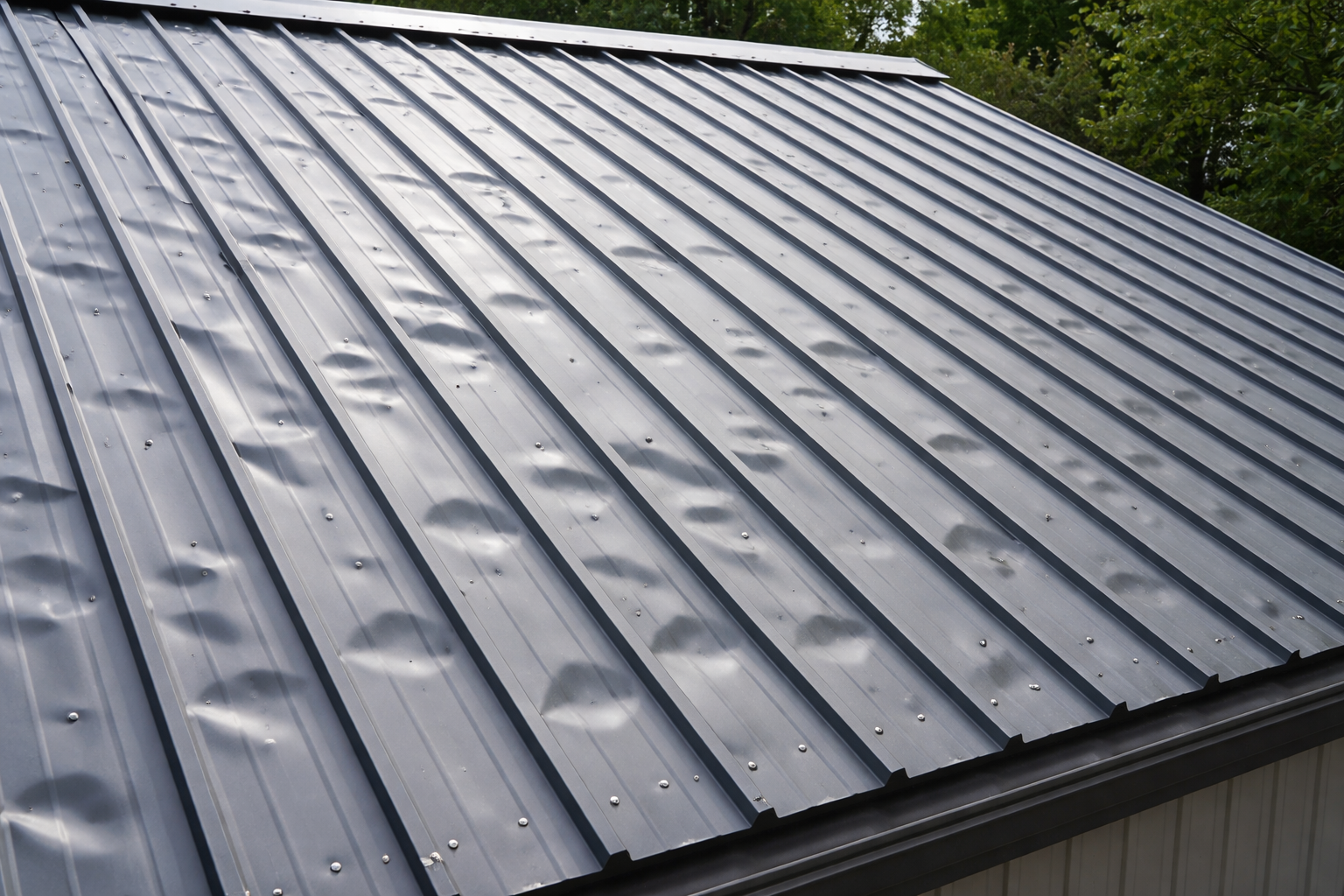
Anthony Price reported a claim for hail damage to his home arising from a June 2023 storm. State Farm’s first adjuster found limited hail damage to the rear roof slope, gutters, and downspouts, but concluded that other roof conditions resulted from wear and deterioration and that chipped stucco resulted from improper workmanship. State Farm paid for the damage it accepted.
The policyholder later submitted photographs and an estimate from Optimum Roofing seeking a full roof replacement and other repairs. State Farm initially declined a second inspection. After receiving a demand from counsel, it retained an engineer, who found some additional hail damage. State Farm then supplemented its estimate and made another payment. The dispute became whether still more was owed for a complete roof replacement and exterior stucco work.
The policyholder’s summary judgment opposition depended almost entirely on an expert, Brandon Allen. He opined that the June 2023 hailstorm caused damage requiring replacement of the roofing system and repainting of the stucco. The serious problem was timing and causation. Allen inspected the property on June 12, 2025, nearly two years after the reported loss, and State Farm presented undisputed evidence of intervening hailstorms. The court excluded Allen’s opinion tying the conditions he saw in 2025 to the June 2023 storm. He could say that some shingle conditions were consistent with hail bruising, but he could not reliably say which storm caused them or that they were the same conditions observed much earlier.
Once that opinion was excluded, the policyholder’s case had a large hole where the proof of causation and unpaid benefits needed to be. The court emphasized that the opposition relied only on Allen to establish State Farm’s alleged failure to pay all benefits owed. The contractor’s estimate did not save the case. It called for a full replacement but did not identify with adequate specificity the location, extent, and cost of covered damage beyond what State Farm had already paid. The contractor opinion also had not been properly disclosed and supported as admissible expert testimony.
The court did not rule that the property sustained no hail damage. Everybody agreed that it did. Nor did the court decide that State Farm always handles hail claims correctly. It ruled that this policyholder did not produce admissible evidence from which a jury could find that State Farm still owed money for damage caused by the June 2023 hailstorm.
The policyholder’s case had several avoidable weaknesses. It treated the later supplemental payment as proof that State Farm breached the policy, but a corrected estimate does not by itself establish that benefits remained unpaid when the lawsuit was filed. It repeatedly said that factual disputes existed without preserving admissible evidence capable of proving them. It also argued broadly that spot repairs would not restore the roof, yet could not say which shingles were damaged by the covered storm, or why those particular damages required replacement rather than repair.
I would be cautious about one part of the court’s legal shorthand. The order stated that dismissal of the contract claim required dismissal of the bad faith claims. That proposition fits a case in which no covered benefits were owed at all. A claim for unreasonable delay can sometimes focus on benefits that were eventually paid late, rather than benefits still unpaid at judgment. Still, the policyholder did not develop that theory with proof of an identifiable benefit, a legally meaningful period of delay, and evidence showing why the timing was unreasonable. The court also made an alternative finding that the claim handling shown in this record was not unreasonable. On these facts, the result is understandable.
There are some practical lessons for policyholders, roofers and public adjusters. Report the loss promptly. Inspect and document the property before another storm can muddy the causation picture. Take date-stamped overview and close-up photographs, map every claimed impact by slope and component, document collateral indicators such as soft-metal damage, and distinguish hail impacts from wear, installation defects, foot traffic, and mechanical damage. If repairability is disputed, perform and document the appropriate testing while the evidence is fresh. Preserve removed materials whenever possible.
A large estimate is not a substitute for a causation analysis. An estimate should connect each line item to observed physical damage from the covered event and explain why the proposed method of repair is required. Throwing in a picnic table, a horseshoe pit, and Adirondack chairs without carefully proving what happened to each item may make a demand larger, but it does not necessarily make it more persuasive. Sometimes it does the opposite.
Public adjusters should also think ahead about whether the person who inspected the roof can authenticate the photographs, explain the inspection method, identify the storm-related damage, separate it from unrelated conditions, and support the scope and pricing. If proof is challenged, counsel must make timely and complete expert disclosures. A good field file prepared shortly after the loss can be far more valuable than a polished expert report written two years later.
State Farm should not take this ruling as absolution for any broader wind or hail claims initiative. Those practices must be judged on their own evidence. Policyholders should take the case as a reminder that suspicion about an insurer’s general conduct will never replace proof about the particular property, the particular storm, and the particular unpaid damage. The best claim presentation is not the angriest or the most expensive one. It is the one that makes the truth easy to see.
Thought for the Day
“O beautiful for spacious skies, for amber waves of grain, for purple mountain majesties above the fruited plain!” — Katharine Lee Bates, America the Beautiful, inspired by the view from Pikes Peak, Colorado.
1 Price v. State Farm Fire & Cas. Co., No. 24-cv-02798 (D. Colo. Sept. 15, 2026). See Plaintiff’s Response to Motion for Summary Judgment.