
Property insurance appraisal disputes often begin with what sounds like a simple question: Is the disagreement about the amount of the loss, or is it really about coverage and causation? In Tennessee, that seemingly simple question has produced a growing body of federal court decisions attempting to draw the line between what appraisers may decide and what must remain for a judge or jury. The newest decision, JPP Holdings, LLC v. State Farm Fire and Casualty Company, 1 provides another important piece of that puzzle.
A federal judge ordered State Farm to participate in appraisal despite State Farm’s argument that serious coverage and causation questions should be resolved first. The decision is important for policyholders, insurers, public adjusters, appraisers, and lawyers because it reinforces an increasingly important Tennessee principle: The existence of a coverage dispute does not necessarily prevent appraisal from proceeding first.
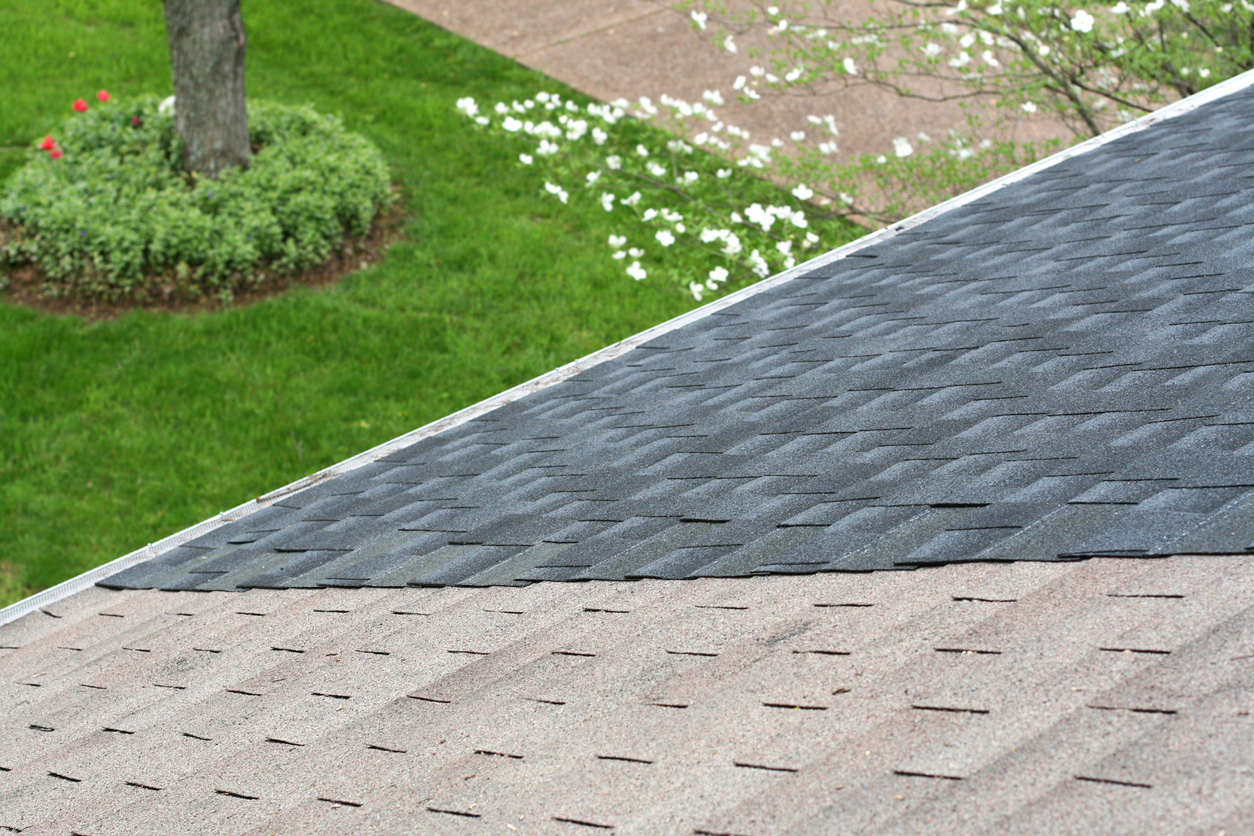
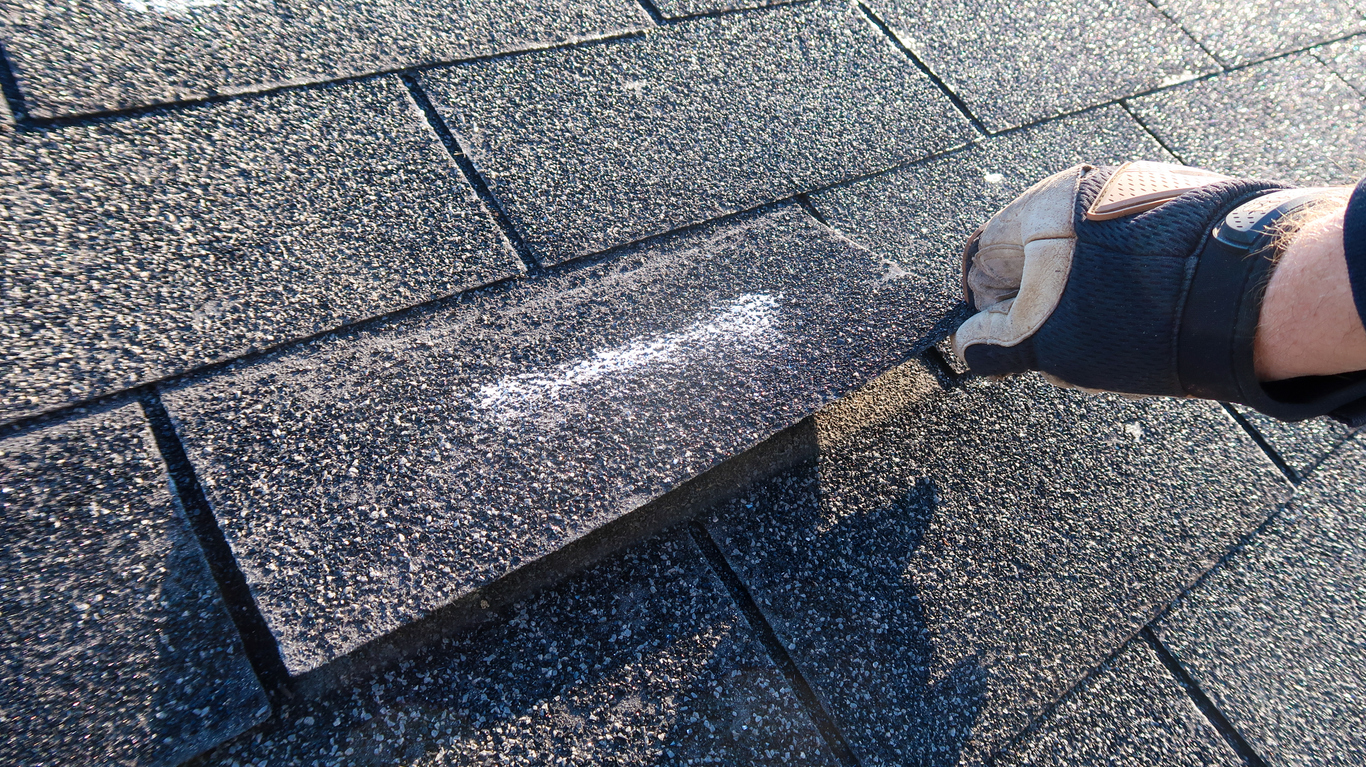
The facts made State Farm’s objection far more substantial than the typical dispute over whether a few damaged shingles require replacement of an entire roof. JPP Holdings claimed windstorm damage to commercial buildings in Oak Ridge, Tennessee. State Farm inspected the property, prepared an estimate of $11,866.59, and paid $9,366.59 after the deductible was applied. JPP contended that the actual amount of the loss was substantially greater and demanded appraisal.
State Farm refused. Its argument was not frivolous. State Farm presented evidence showing that the reported date of loss had changed repeatedly. The public adjuster originally reported August 12, 2023, a date before State Farm’s policy began. That date was confirmed again before the claimed date was changed to May 6, 2024, then February 28, 2024, while the lawsuit ultimately alleged a May 26-27, 2024, windstorm.
State Farm’s policy did not begin until October 20, 2023. It understandably argued that there was a legitimate question about whether the claimed damage happened during its policy period at all. If State Farm were denying that any covered event occurred and had paid nothing, its argument would be much stronger. But that is not what happened.
State Farm inspected the property, calculated the cost of repairing wind damage, and paid money on the claim. Judge Varlan found that State Farm had therefore acknowledged that the policy covered at least some damage to the insured property. From there, the disagreement over additional damage necessarily included a disagreement over the total amount of loss.
The language State Farm wrote into its own insurance policy is especially important. The appraisal provision states that if the parties disagree on the value of the property or amount of loss, either may make a written appraisal demand. It then says each party “will” select an appraiser, the appraisers “will” determine the amount of loss, and a decision agreed to by two members of the panel will be binding. Most importantly for this dispute, the policy expressly states: “If there is an appraisal, we will still retain our right to deny the claim.”
Why would State Farm reserve the right to deny a claim after appraisal if every disputed coverage issue first had to be resolved before an appraisal could occur? The better reading is that appraisal and coverage are different functions. Appraisers determine the amount of loss within the authority given to them by the policy. Courts decide disputed legal questions of coverage and ultimate liability. Under Tennessee’s view, one can occur before the other without allowing appraisers to become judges.
This is consistent with what I discussed in “Causation in Appraisal—What is the Causation Rule in Tennessee Appraisals?” Tennessee follows Merrimack Mutual Fire Insurance Company v. Batts, which holds that appraisal is intended to determine value and amount of loss rather than finally determine coverage, causation, or liability. 2 This distinction remains good law after JPP Holdings. Judge Varlan specifically noted that State Farm did not waive its causation or coverage arguments merely because appraisal would proceed. Those matters could still be raised with the court after appraisal.
Several years ago, I discussed this sequencing problem in “What Comes First—the Appraisal or the Coverage Determination?” That post noted that the difficult question is often not whether appraisal is ultimately appropriate, but whether appraisal should happen now or only after coverage litigation concludes. The Khushi decision 3 ordered appraisal first, reasoning that doing so could expedite the case, conserve resources, and increase the possibility of settlement.
JPP Holdings pushes that practical reasoning another step forward. Where an insurer acknowledges and pays for at least some property damage from a claimed covered occurrence, the existence of additional causation or coverage disputes does not necessarily prevent enforcement of a mandatory amount-of-loss appraisal clause, particularly where the policy expressly preserves the insurer’s right to deny coverage after appraisal. The appraisal may proceed first, while ultimate coverage and causation remain for judicial determination.
Appraisers in Tennessee cannot decide that Damage A was caused by a covered May windstorm rather than an uncovered August storm. That is causation. But once damage has been acknowledged as resulting from the covered event, determining the quantity, price, scope, means, methods, and extent of repair necessary to restore that damaged property is ordinarily an amount-of-loss function. The hard cases arise because those questions sometimes overlap.
JPP Holdings is a perfect example. State Farm has a legitimate factual issue regarding the varying dates of loss. Nothing in Judge Varlan’s ruling decides whether every claimed roof or interior condition resulted from a storm occurring during State Farm’s policy period. State Farm gets to litigate that issue. What State Farm does not get to do is use that unresolved issue to erase the appraisal promise it placed in its insurance contract after it has already recognized and paid some amount of covered damage.
This is where insurers sometimes try to turn every scope disagreement into a “coverage issue.” Taken far enough, that argument could swallow appraisal altogether. An insurer could pay for ten shingles, characterize the remaining disagreement about the roof as a causation or coverage issue, and thereby avoid appraisal whenever the policyholder believes significantly more repair is required.
Tennessee federal judges have repeatedly shown skepticism toward that approach. JPP Holdings continues that trend. There is nevertheless an important warning for policyholders and appraisers. Winning the motion to compel appraisal is not the same as winning the coverage case.
The appraisal panel should be extraordinarily careful about explaining what it is deciding. If different dates of loss or causes are genuinely disputed, the award should not casually make findings assigning damage to one storm rather than another. An appraiser who starts deciding which occurrence caused disputed physical damage may be wandering into territory Tennessee law reserves for the court.
The better appraisal record clearly separates amount-of-loss findings from causation findings. That distinction can become enormously important when an insurer later attempts to attack the award. So, the lesson from JPP Holdings is not that coverage no longer matters in Tennessee appraisal cases. Coverage matters a great deal.
The lesson is that coverage does not always have to come first. Sometimes the insurance company must live up to both promises contained in its policy: participate in appraisal when the contractual conditions for appraisal have been satisfied and retain its right to litigate genuine coverage questions afterward.
That is what State Farm promised. Judge Varlan simply ordered it to keep that promise.
Thought For The Day
“I’m so proud to be a Tennessee girl. Tennessee is like three states in one.”
— Dolly Parton
1 JPP Holdings v. State Farm Fire & Cas. Co., No. 3:25-cv-272 (E.D. Tenn. Aug. 4, 2026). See Plaintiff’s Motion to Compel Appraisal and Defendant’s Response in Opposition.
2 Merrimack Mutual Fire Ins. Co. v. Batts, 59 S.W.3d 142 (Tenn. App. 2001).
3 Khushi P’ship v Berkshire Hathaway Homestate Ins. Co., No 3:22cv-00265, 2023 U.S. Dist. LEXIS 6602, 2033 WL 186863 (M.D. Tenn. Jan. 13, 2023).