Insurance companies spend millions of dollars training and supervising their adjusters. Insurance claims management calls for this type of technical oversight to create "best practices" in claims handling so that "optimal" outcomes are obtained. While I have been critical of many insurer claims handling techniques which promote the "optimal" result — to unfairly pay less than what is owed under the policy, the public adjusting industry writes little about its "best practices."
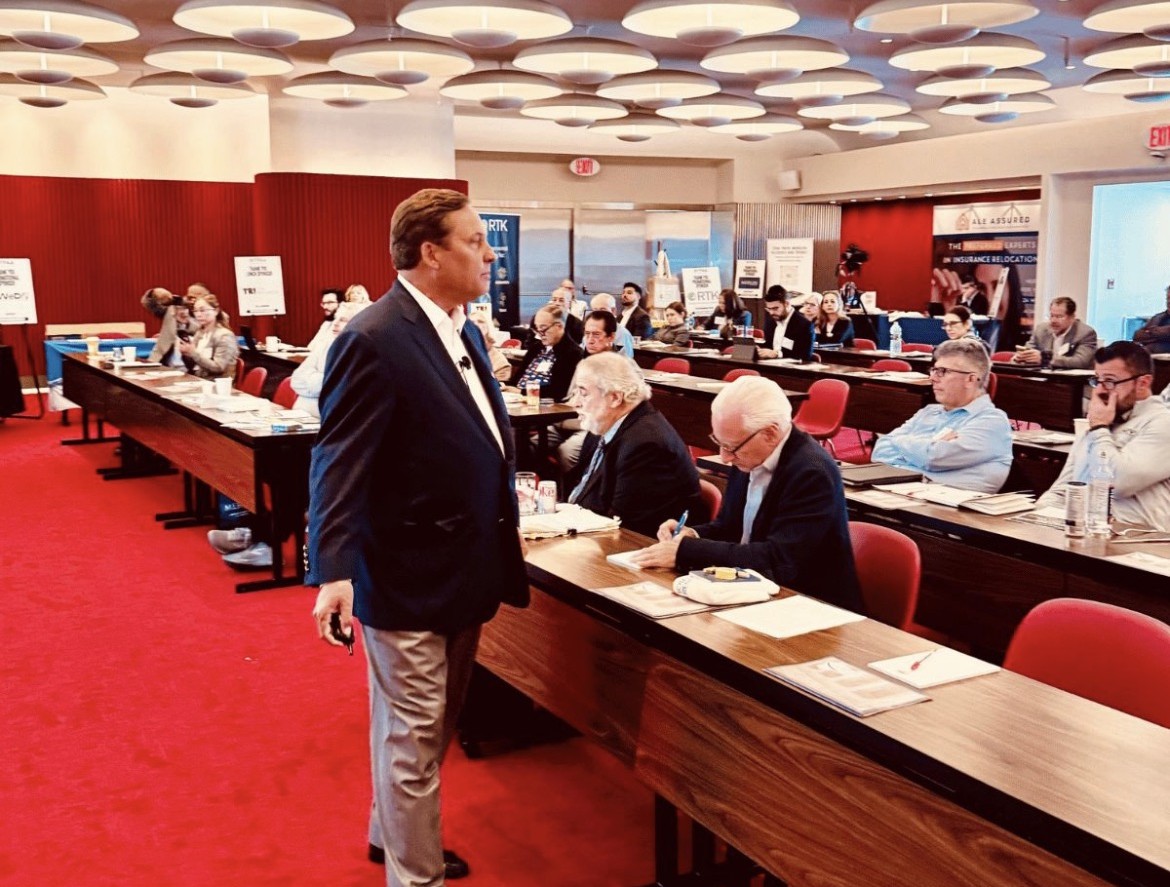
At the Florida Association of Public Insurance Adjusters Annual Convention, I recently gave a speech, Ethical Requirements of Public Adjusters and What Experienced Public Adjusters Should Have Included in Their Claim File. A paper I delivered as part of that speech, Public Adjuster Best Claims Practices and the Claims File, is available here. I noted the disparity between the vast sums of literature on this topic for insurance company and independent adjusters and that available for public adjusters:
Claims handling “best practices” are routinely mentioned when discussing claims handling by insurance company adjusters. The discussion and analysis of what constitutes a claims handling “best practice” for a public insurance adjuster is not in current literature. This paper is a beginning of that analysis and focuses on claims file content and organization for public insurance adjusters.
There is no complete or definitive source for property insurance claim handling “best practices.” I read hundreds of insurance company and independent adjuster claims manuals, training classes, operation guides and claims handling requirements. While the insurance defense attorneys and insurers argue their claims handling "best practices" are "trade secrets," they are substantially similar. Most would agree that any first party property insurance claims handling "best practices" would include the following:
- They are in accord with mandated laws and regulations.
- Timeliness is paramount. Communications must be acknowledged within mandated time frames.
- Thorough and timely investigation of coverage and evaluation of damages are accomplished.
- Claims are settled. A "good faith" effort is made to resolve the claim.
- Honest and transparent communications (not misleading) are required.
- Written procedures are adopted and updated.
Many in the insurance industry routinely teach that point number five should not be documented in the claims file. We have uncovered training seminars, sometimes taught by insurance company lawyers, indicating that only a sanitized version of facts and motives for claims activity should be placed in the claims file. According to these training materials, a sanitized claims file should protect the insurer from the consequences of its improper conduct. They essentially instruct adjusters to be dishonest in the written diary activities and communications. Dishonesty is never ethical.
On the other hand, at least there are written standards and procedures that are available for insurance company and independent adjusters to follow. There is a dearth of written claims handling standards for public adjusters. This needs to change. As I indicated in the paper, written standards are warranted as part of our ethical obligations to ensure that policyholders are treated fairly:
It is incredibly important for a public adjuster to understand ethical issues that can arise in presenting claims. In order to ethically represent policyholders when they are at their most vulnerable it is important for a public adjuster to appreciate and abide by the ethical rules and obligations under Florida Law. The ethical representation of policyholders is the foundation upon which the system of insurance is designed to operate. Without the system’s ethical foundation it cannot achieve its purpose to protect the policyholder.