Last weekend, our law firm hosted an information and help forum for Hispanic policyholders at a Houston mall. They came with photos, policies, letters, small dollar checks, and, most importantly, stories of their interaction with their insurers. While I am certain that our firm fails to hear when adjusters properly adjust claims — people most often come to us with distressful situations looking for help, there are major adjustment problems in Houston.
Adjusting is a very personal job. It is one of great responsibility. The best adjusters are good listeners, enjoy people, are sympathetic, and provide practical help to those in great need. The best adjusters have experience, understand how policies help soften the financial blow of a disaster, and make the insurance product work to quickly get all those benefits to policyholders. While it is easy to bash the insurance industry when things go bad, I know there are many fantastic field adjusters who quietly do a great job, often despite their bosses, bureaucratic obstacles, and the insurance company’s financial goals. These type of adjusters were not attending to the policyholders we spoke with in Houston.
Upon my arrival, Jeanine Szwejkowski, a Tampa legal assistant that works with Kelly Kubiak told me that "the people we are talking with are being taken advantage of." One couple was told not to talk to their neighbors or relatives for help. Another older woman was told that "she was lucky to get what was offered" despite the fact her check, after deductible and applied depreciation, was for $74 and change. Some cried while explaining their situations. I looked at photos depicting cracks in walls and windows, ceilings falling in, roofs uplifted, and other damages and then insurance checks totaling no more than several hundred dollars. Show me a Houston repairman who does work that inexpensively. Our staff members were outraged over what they perceived was predatory adjustment practices.
Few people attending spoke English, and most were of very modest means. Nobody understood their insurance policy; but, who does?
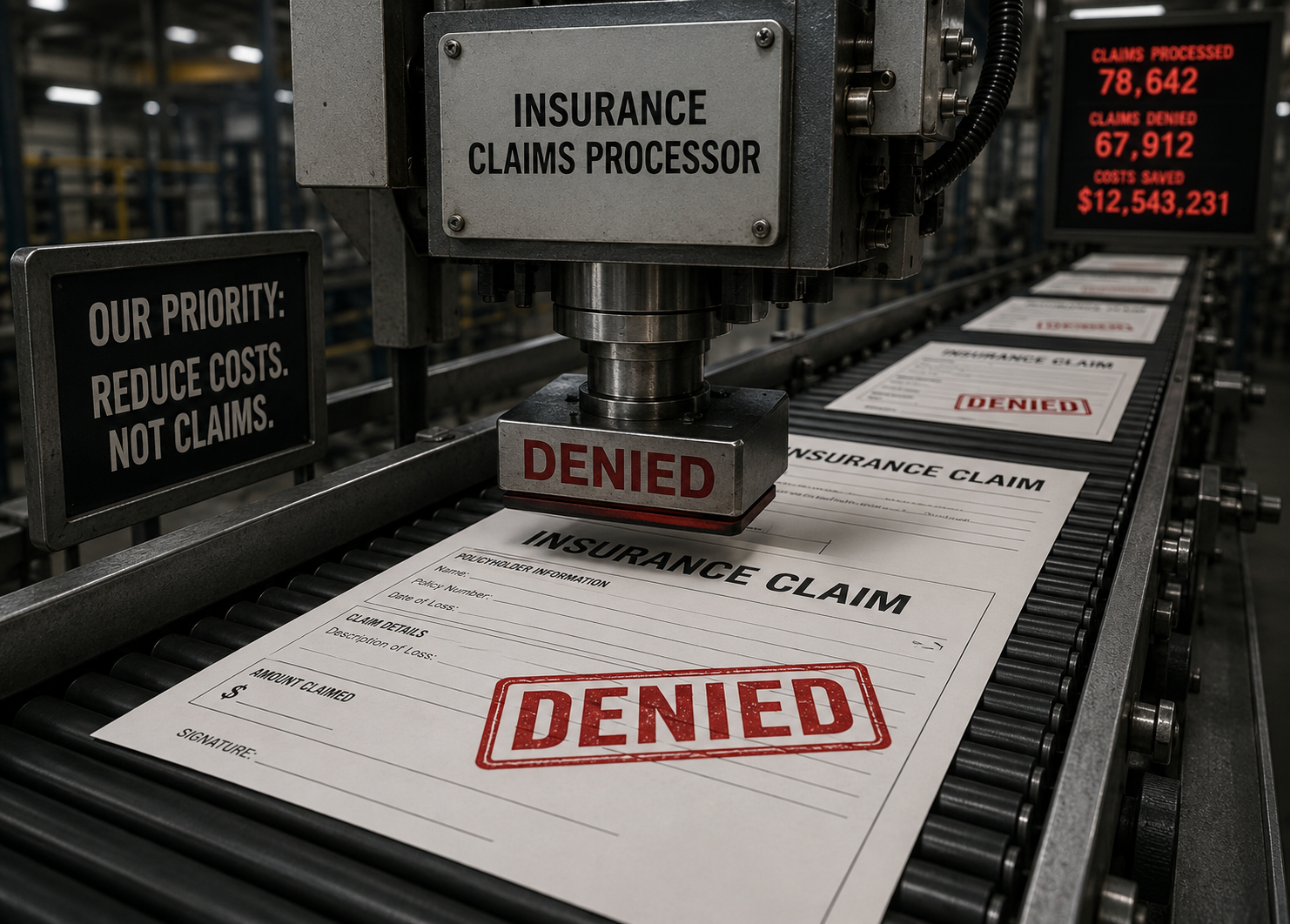
My impression was that these modest claims were wrongly denied and low-balled. I suspect that many adjusters thought they could get away with taking advantage of people who do not speak fluent English and who do not have much money. Well, those adjusters have thought wrong.