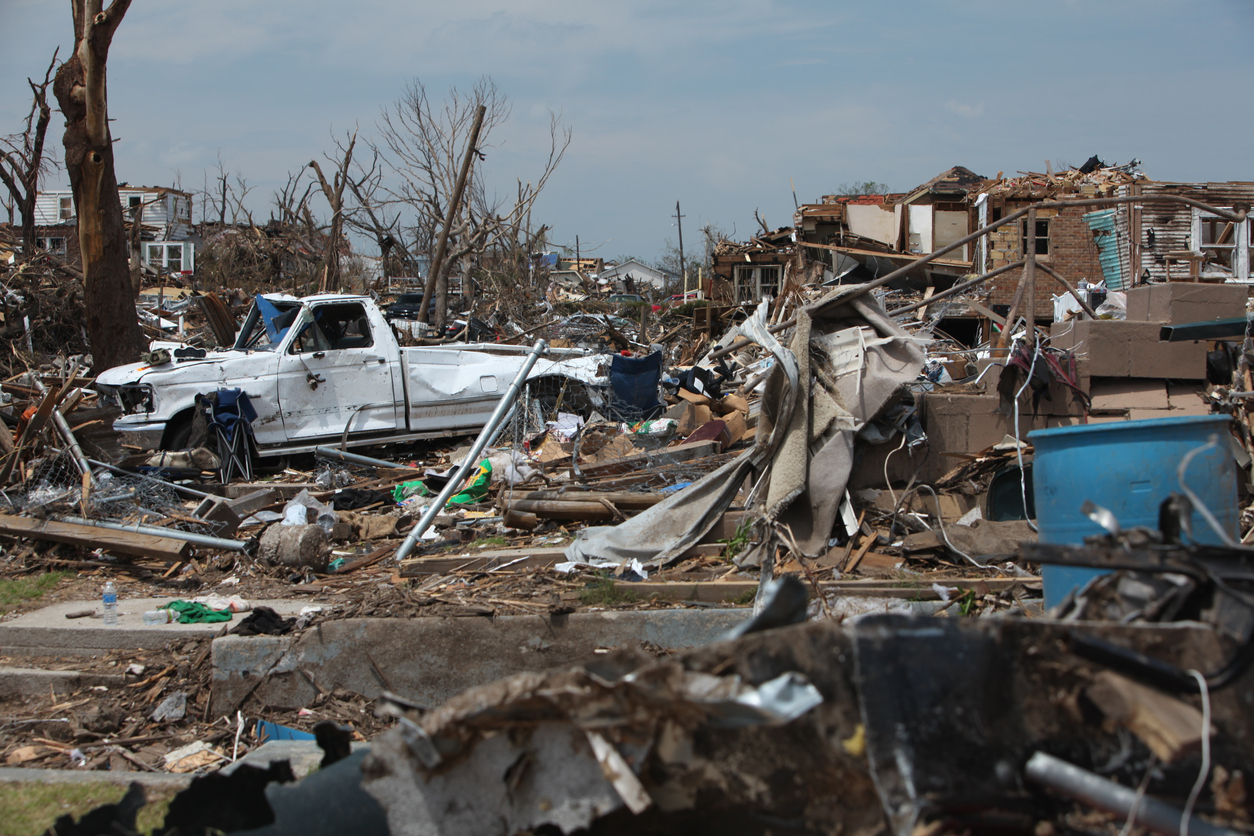
Winter storms are too often treated as routine seasonal hazards until they become headline disasters. The data tells a clear story that winter storms routinely confront insurers and policyholders with billions of dollars in losses and a complex mix of perils that test underwriting, claims operations, and preparedness. Understanding what’s at stake and how to mitigate it is risk management in real time.
I was surprised to learn from loss compilers and industry actuaries that winter storms accounted for around $10 billion in insured losses in the U.S. during 2021 and 2022 alone, driven by events like the February 2021 polar vortex freeze and widespread winter storms in late 2022. Those are the second and third-highest winter storm loss figures on record in the past decade. Past events illustrate that snow, ice, and freeze can rapidly escalate from nuisance weather to a catastrophic burden.
Recent exposure data I found shows that tens of millions of U.S. homes will experience extended below-freezing temperatures in a typical winter, and within that exposure lie the most frequent and expensive insured perils. Here are the top onsite winter risks every property professional and policyholder should know: 1
Frozen pipes: Cold weather expands water inside pipes until they crack, often behind walls and under floors. That expands small perils into water damage claims that can easily exceed tens of thousands of dollars per loss. When temperatures plunge, and homeowners are unprepared, insurers see wave after wave of these losses.
Snow load: Heavy accumulations of snow and ice don’t just make roofs pretty. They make them heavy. In states where deep snow is common, structural damage from accumulated loads is a recurring claim driver.
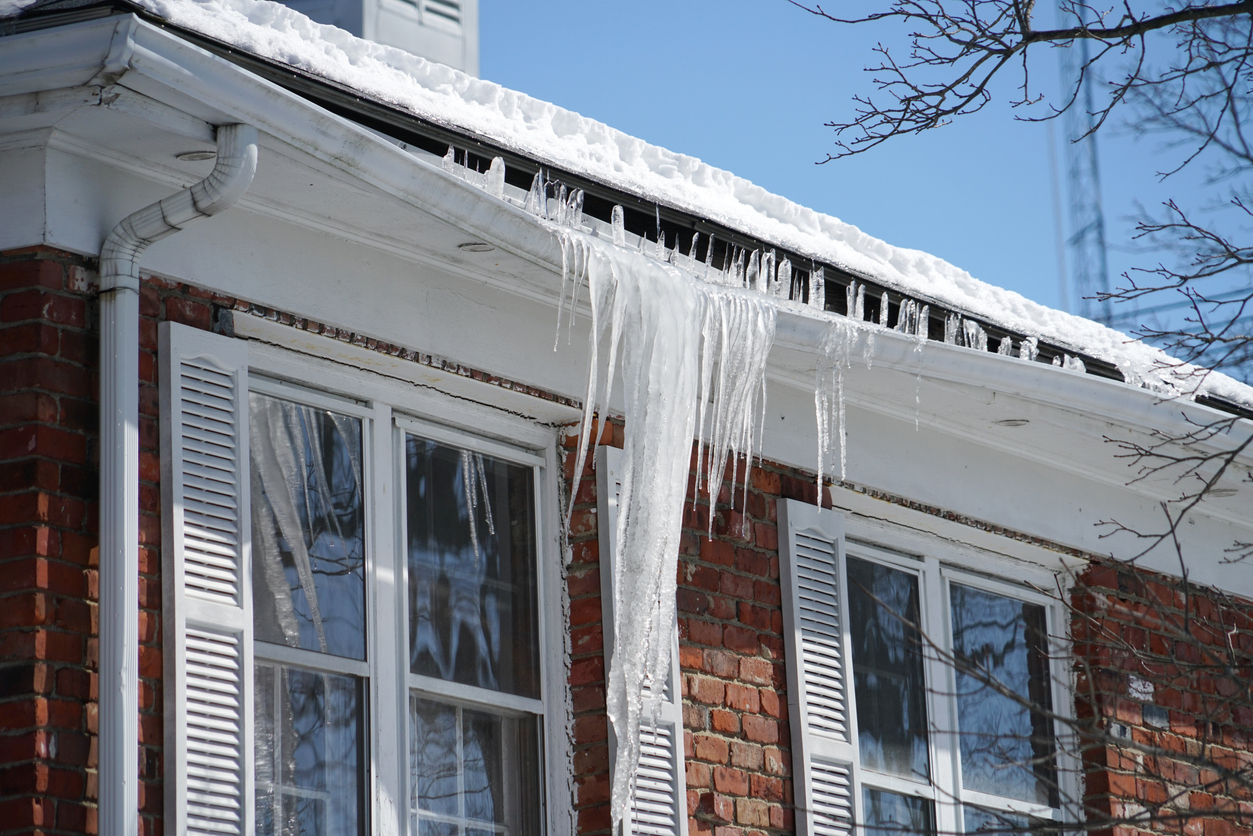
Ice dams: Heat escaping through roof assemblies melts snow, which then refreezes at eaves. The resulting ice dam traps water that can infiltrate ceilings and walls. This mechanism turns cold weather into interior water damage long after the storm ends.
Power outages and secondary impacts: Winter storms don’t punch a single ticket. Fallen trees and ice-laden lines mean outages that lead directly to frozen pipes, spoiled food claims, and potential “loss of use” exposures.
Wind and flood: Winter’s gusts can tear coverings and topple trees just like summer storms, and spring snowmelt can overwhelm drainage systems, causing flood damage that standard homeowners policies won’t cover without separate flood insurance.
I tell clients every winter, “Don’t wait for the storm to realize whether your insurance stack covers the right risks.” Calling an insurance agent to confirm coverages, confirm protective measures (adequate coverage limits and exclusion awareness), and to understand mitigation obligations is essential risk control and helps prevent a potential coverage issue later.
One overlooked lesson from past winter catastrophes is that preparedness pays twice. First, it reduces property damage. Second, it results in fewer contentious coverage disputes. Whether it’s reinforcing vulnerable sections of a roof, insulating vulnerable plumbing, or simply reviewing your contracts before the freeze arrives, action today often means better outcomes tomorrow.
If winter weather reminds us of anything, it’s that extreme cold, wind, ice, and flooding are all part of the risk landscape. Insurers, brokers, public adjusters, and policyholders succeed when they treat winter not as a seasonal inconvenience, but as a multi-peril event requiring the same discipline and preparation we apply at the onset of hurricane season, and in wildfire-prone areas.
Thought For The Day
“Winter is nature’s way of saying, ‘Up yours.’”
—Robert Byrne
1 Tammy Schwartz, 7 Top Winter Weather Risks to Home and Property, Guidewire (Jan. 23, 2025).