More than two years ago, Florida’s Chief Financial Officer issued a press release announcing the arrest of a Lee County contractor, Ricky McGraw, accusing him of orchestrating a $214,000 insurance fraud scheme. The language was decisive and condemning. The message was clear and similar to how many in the insurance industry try to frame the insurance restoration industry. Another bad actor contractor had been caught. The press release traveled far and wide, reinforcing a familiar narrative that contractors and those involved in property insurance claims are a breeding ground for fraud. 1
Last week, with no press conference, no public announcement, and no accompanying explanation, the State Attorney quietly filed a Notice of Nolle Prosequi. 2 The criminal charges were dropped. The case ended not with a verdict, not with a jury weighing evidence, and not with a judge ruling on the merits, but with silence.
That contrast should trouble anyone who cares about the rule of law.
A criminal charge is not a footnote in a person’s life. It is a reputational event. It affects livelihoods, families, businesses, and standing in the community. When charges are filed, particularly in a highly politicized arena like insurance fraud, the damage is immediate and lasting. When those charges are abandoned years later, the harm does not rewind itself. Everyone is entitled to a presumption of innocence, although the initial press release seemed anything but that.
Prosecutors are entrusted with enormous power, and with that power comes a responsibility to bring cases that can be supported by evidence and sustained through trial. When a case collapses after years of litigation without explanation, it raises legitimate questions about how the decision to charge was made in the first place.
Insurance fraud is real. It should be prosecuted when it can be proven. But the phrase “insurance fraud” has also become a convenient slogan, used to justify aggressive enforcement actions and sweeping public statements long before any facts are tested in a courtroom. Allegations are easy to make. Proof is harder. The justice system is supposed to separate the two.
I previously wrote that Ricky McGraw would become a footnote in Florida insurance law one way or the other in Ricky McGraw Is Going to Be a Footnote in the History of Florida Insurance Law—One Way or the Other. History has now written one footnote. It is an uncomfortable one. Loud accusations followed by quiet dismissals undermine public confidence in the system. They also feed cynicism among insurance contractors, policyholders, public adjusters, and members of the American Policyholders Association (APA) who already feel that enforcement is uneven. I will be speaking on behalf of the APA on this topic at the Storm Restoration Contractor Summit on February 11 at the Irving Convention Center.
Restoration contractors in the insurance space are often referred to as being in a den of thieves by insurance defense counsel and other property claims professionals. It is a theme often driven more by narrative than factual numbers. I can understand why insurance company property adjusters and their counsel have to be concerned about fraud and may be aware of obvious patterns of fraud. But it’s hard for me to accept the narrative that the insurance product has made the vast majority of otherwise innocent people into crooks.
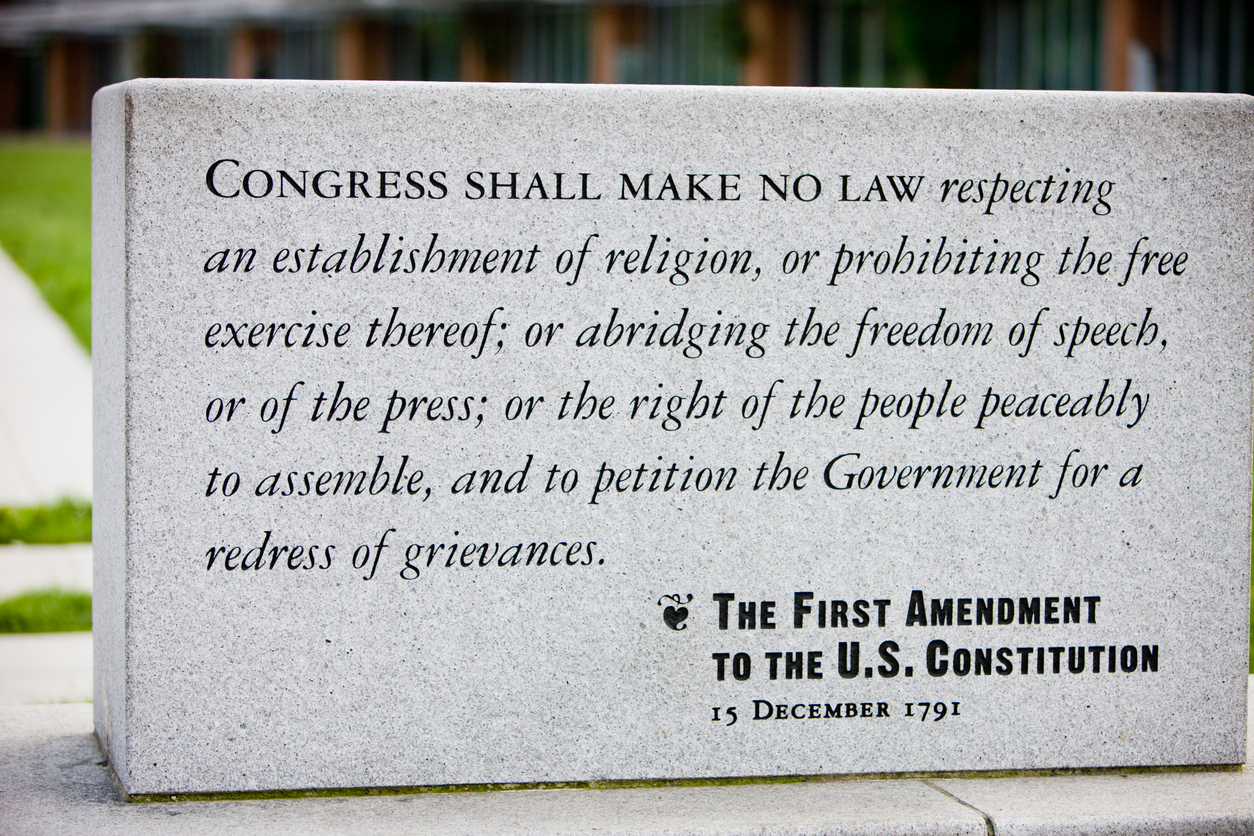
Public officials should exercise more restraint before declaring guilt in press releases. Justice is not served by headlines alone. It is served by evidence, process, and accountability.
Thought For The Day
“The power to accuse is the power to destroy.”
— Edward Coke
1 “CFO Patronis Announces Arrest of Lee County Contractor in $214,000 Fraud Scheme,” Florida CFO Press Release, Dec. 4, 2023. (available online at https://myfloridacfo.com/news/newsletter/past-issues/news-details/2023/12/04/cfo-patronis-announces-arrest-of-lee-county-contractor-in–214-000-fraud-scheme)
2 State v. McGraw, No. 23-CF-000937 (Fla. Cir. Ct. – Lee County Jan. 26, 2026).