The recent federal decision in Nashville Communications v. Auto-Owners Insurance Company 1 offers a reminder of how appraisal is supposed to work in Tennessee and why insurers sometimes overplay their hand when trying to recast a simple amount-of-loss dispute into an alleged causation or coverage battle. The case turned on a narrow strip of parapet wall that the insurer admitted was damaged by wind. From that small concession grew a big legal fight about whether the appraisers were allowed to conclude that fully repairing that parapet damage required replacing the entire roof. The policyholder said yes. The insurance company said absolutely not.
The policyholder’s argument was straightforward. Auto-Owners conceded wind damaged a discrete portion of the parapet membrane. Once that concession was made, the appraisers’ job was simply to determine the amount of loss arising from that admitted damage. The umpire and the policyholder’s appraiser concluded that trying to surgically repair the parapet would create a domino effect of collateral damage and fail to return the building to its pre-loss condition. They explained that the moisture detected around the parapet area, combined with the deteriorated condition of the roofing system, made spot-repair impractical and ineffective. In their view, the only viable repair methodology was full replacement. That is an amount-of-loss determination under Tennessee law. It says nothing about whether any other portion of the roof was damaged by wind.
Auto-Owners went in a very different direction. Auto-Owners argued that the umpire made a prohibited causation finding when he referenced moisture passing through the roof and the difficulty of repairing only the parapet section. According to the insurer, these statements amounted to an implicit conclusion that the parapet damage caused broader roof problems, something appraisers have no authority to decide in Tennessee. Auto-Owners also stressed the roof’s age and deterioration, contending that these conditions, rather than wind, caused the leaks and that the umpire improperly swept all of this into the award. The insurer framed the appraisal panel’s decision as an unauthorized expansion of coverage rather than the narrow repair-method analysis the policyholder claimed it was.
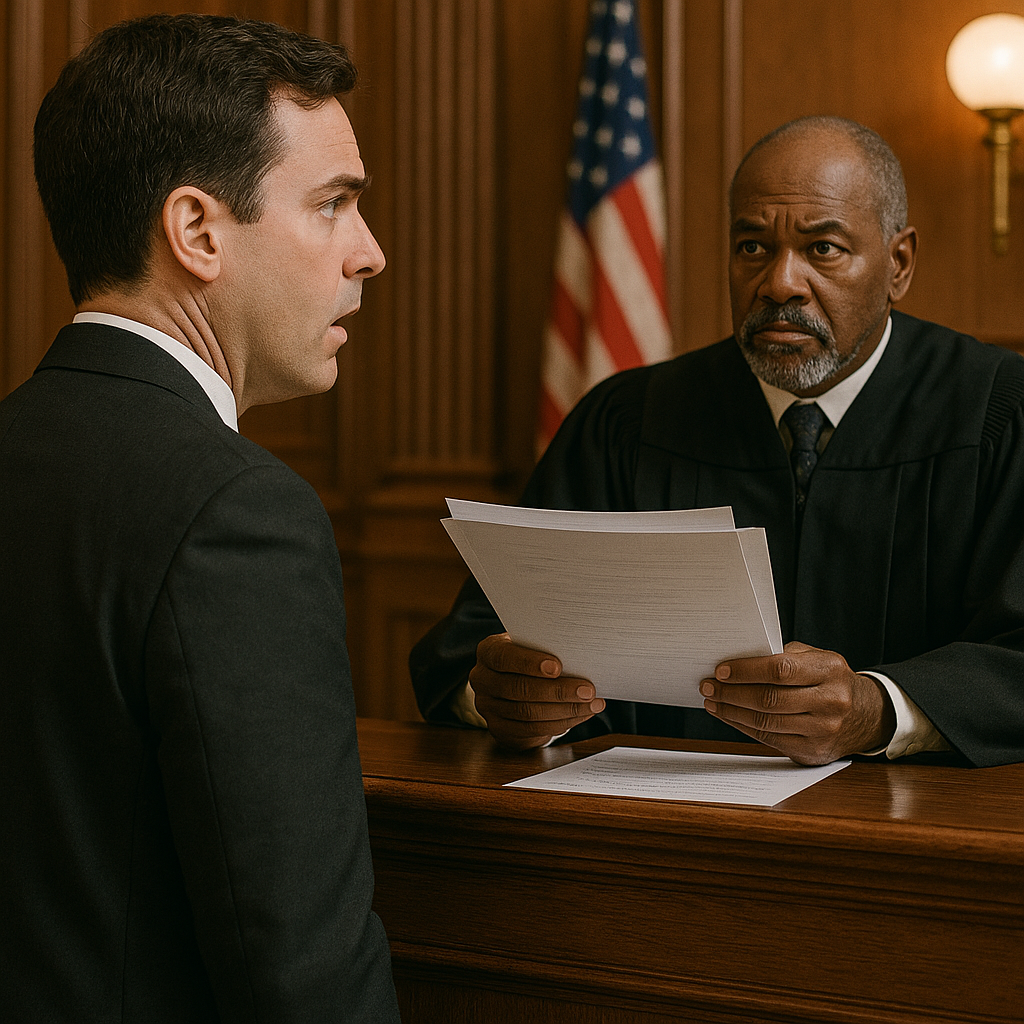
Judge Trauger’s opinion reads like a direct application of the principles Tennessee courts have long endorsed. She held that the appraisers did not step over the causation line. Instead, they accepted Auto-Owners’ own framing of the loss: the only storm damage was the small parapet section. From there, they did precisely what appraisers are supposed to do. They decided how to repair the damage that had been conceded.
Judge Trauger emphasized that Tennessee law allows appraisers to determine the scope, means, and methods of repair and to conclude that repairing a damaged component requires replacing an entire integrated system. She even cited cases recognizing that repairing one part of a roof may necessarily require replacing the whole thing. The umpire’s declaration and testimony sealed the point. He expressly stated he made no causation or coverage determinations, and Auto-Owners’ corporate representative admitted he could not identify any such finding in the award.
The court enforced the appraisal award because the insurer failed to show the panel exceeded its authority. At the same time, Judge Trauger denied the policyholder’s bad-faith claim, concluding that Auto-Owners’ arguments, though ultimately unsuccessful, were not so unreasonable as to constitute bad faith under Tennessee’s demanding statutory standard. In that respect, her ruling was measured. The appraisal award stands, but the mere act of challenging it does not automatically create insurer bad faith.
What stands out in this case is the clarity the court brought to the boundary line that often confuses lawyers, adjusters, and insurers. Appraisers cannot decide what caused the damage, but they can decide how to repair the damage that the insurer already acknowledges. When an insurer disputes the cause of additional claimed damage, that dispute belongs in court, not appraisal. But once the insurer concedes some portion of storm damage, appraisers get to determine what it takes to fix it completely and properly. That is precisely what occurred here.
For those interested in Tennessee law on appraisal, I suggest reading Causation in Appraisal—What is the Causation Rule in Tennessee Appraisals. Brandon McWherter blogged about this case in Federal Court Enforces Appraisal Award for Full Roof Replacement in Important Win for Tennessee Policyholders.
Thought For The Day
“The significant problems we face cannot be solved at the same level of thinking we were at when we created them.”
— Albert Einstein
1 Nashville Communications v. Auto-Owners Ins. Co., No. 3:24-cv-01020 (M.D. Tenn. Nov. 13, 2025).