When I give presentations about Ordinance or Law Coverage, I often remind audiences that this coverage is actually three coverages in one, and not just one coverage. An insurance agent expert witness breaks these down in an IRMI article he wrote earlier this year entitled, “Explain Ordinance or Law Coverage to Avoid E&O Claims.”
The author, Brent Winans, provides a straightforward explanation of Coverages A, B, and C—and why merely having “some” Ordinance or Law Coverage does not mean a policyholder has enough. His real-world example involves a Florida condominium association that discovered, after two hurricanes, that it was approximately $7 million short of the coverage it needed.
What he explains is not a minor coverage gap, but a financial catastrophe. Winans correctly observes:
One key to selling adequate ordinance or law coverage is explaining it clearly. When agents discuss this coverage with their policyholders, policyholders want to know why they need it and how much they should buy. Because those answers are complicated, a lot less ordinance or law coverage is purchased than is needed. At claim time, that can result in an errors and omissions (E&O) claim against the agent.
Coverage A generally addresses the value of the undamaged portion of a building that must be demolished. Coverage B pays for the cost of demolishing that undamaged portion and clearing the site. Coverage C addresses the increased cost of construction required to comply with current building codes. Each solves a different problem, and each must be evaluated separately.
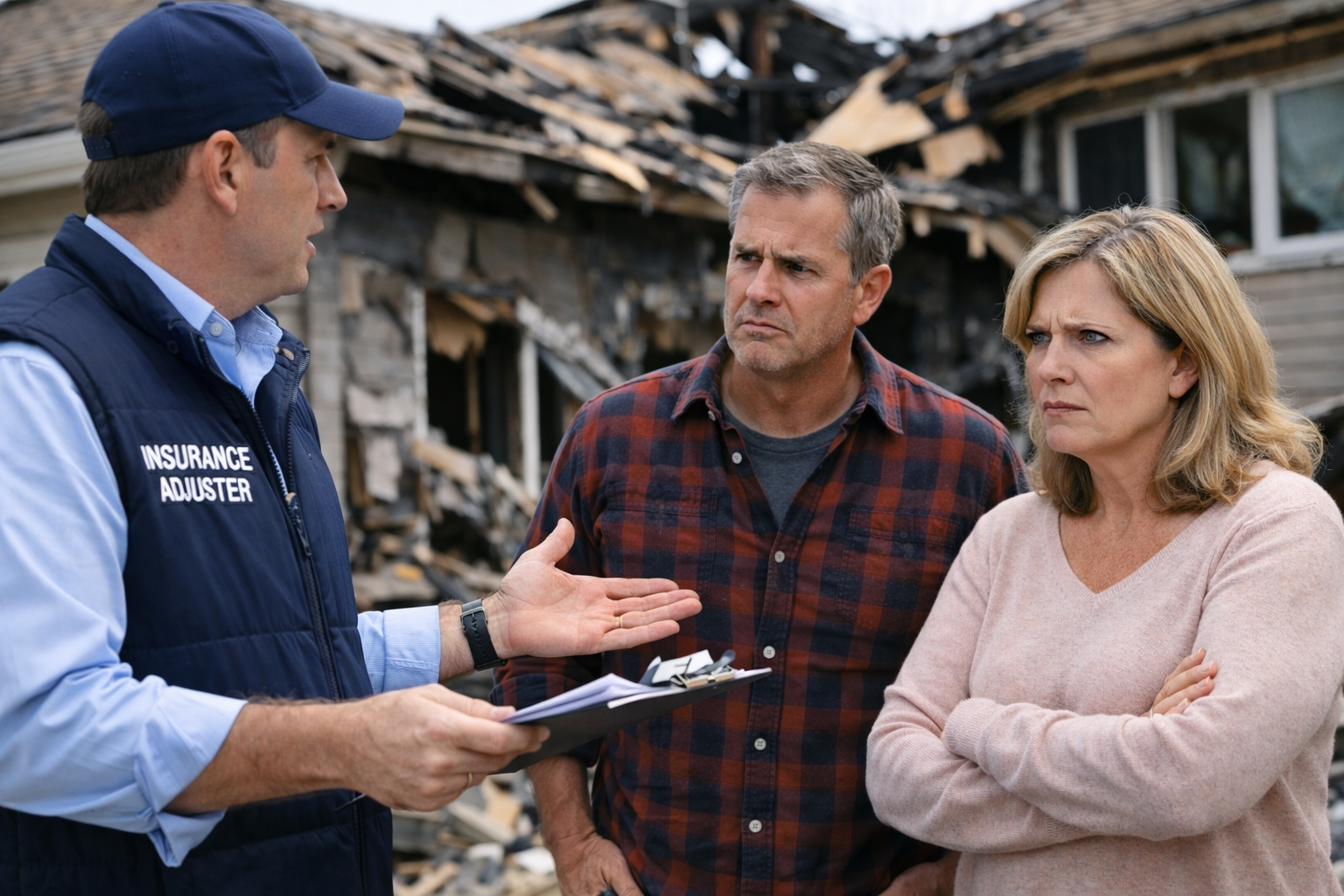
Too many policyholders believe replacement cost coverage means they will receive whatever amount is necessary to rebuild. That assumption can be painfully wrong. A replacement cost policy may pay to replace what existed before the loss, but it may not pay the additional cost of satisfying newer building codes, demolishing undamaged property, upgrading foundations, or bringing the remaining structure into compliance.
The first time anybody studies these distinctions should not be after the building has burned down or been torn apart by a hurricane.
Insurance agents, public adjusters, property managers, condominium board members, and commercial property owners should take a few minutes to read Winans’ article. Then, they should pull out their policies and determine whether the limits shown for Coverages A, B, and C bear any reasonable relationship to the actual exposure.
Having Ordinance or Law Coverage is important. Having enough of each coverage is what matters.
I suggest everyone take a few minutes and read “Explain Ordinance or Law Coverage to Avoid E&O Claims.” I also suggest reading “The Hidden Insurance Gap: Why New Homes and Businesses Need Ordinance or Law Coverage.”
Thought For The Day
“As this example shows, even a brand new building needs ordinance or law coverage.”
—Brent Winans