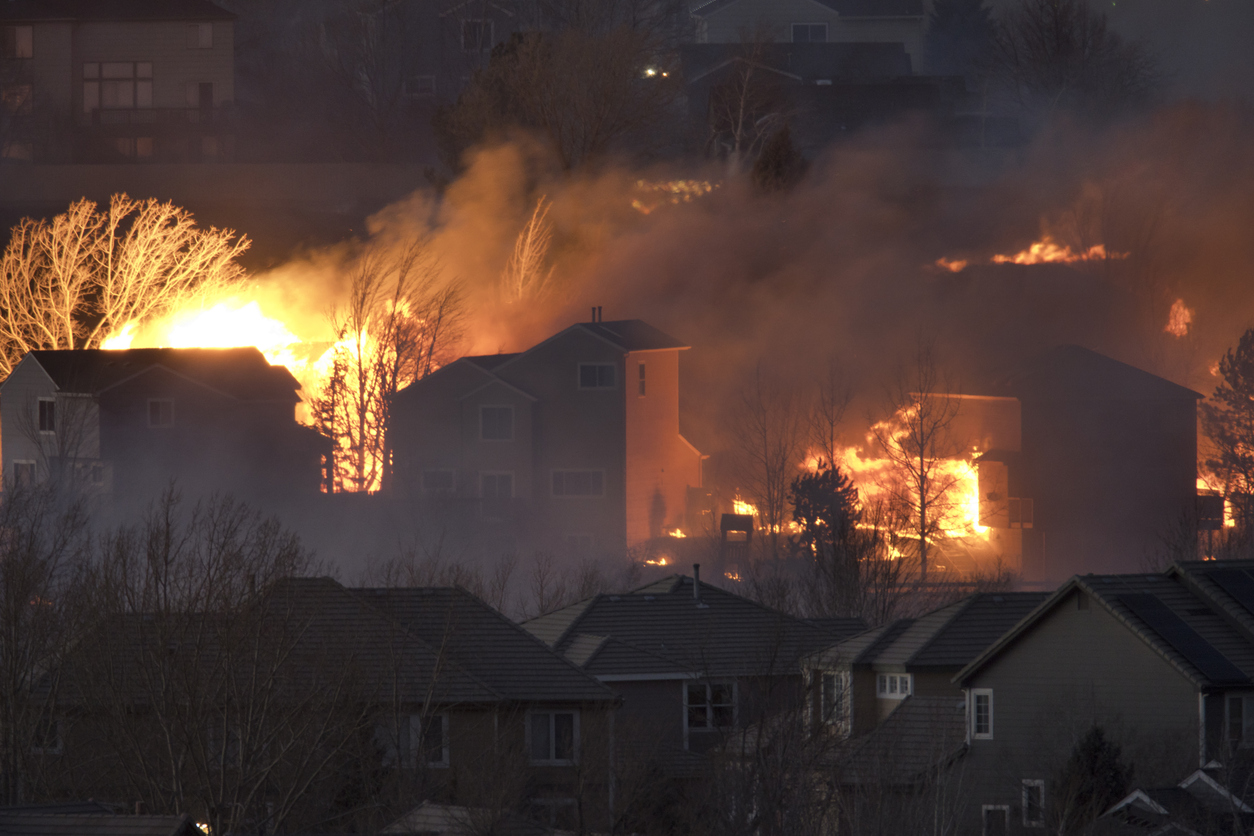
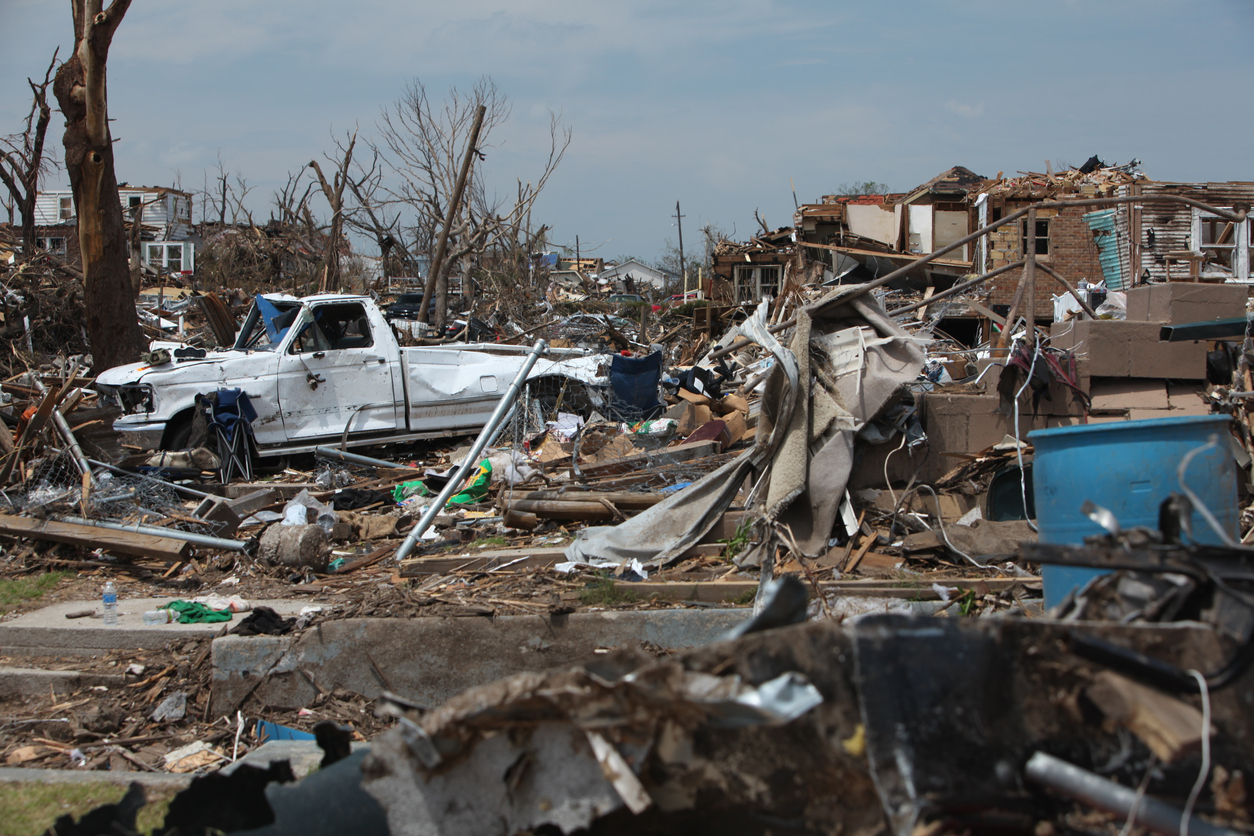
After every tornado, the same images fill our television and cell phone screens. Homes splintered. Roofs peeled back like tin cans. Families standing in front yards that no longer resemble anything familiar. We talk about wind speeds and warning systems. We talk about climate patterns and rebuilding efforts. But we rarely talk about the quiet engine that determines whether a community actually comes back.
An academic study, “Quantifying the Role of Insurance in Tornado-Impacted Community Recovery,” 1 examined the May 2019 tornadoes that struck Dayton, Ohio. The researchers did not approach the subject emotionally. They approached it with data. Using surveys and simulation modeling, they asked a straightforward question:
“Do sufficiently insured homes measurably improve community recovery?”
The answer was yes. The study found that communities with a higher percentage of sufficiently insured homes recovered faster and more effectively. Not just individual families. Entire neighborhoods. Economic stability improved. Housing restoration accelerated. The recovery curve bent upward when insurance coverage was adequate before the storm hit.
This finding should not surprise those of us who have worked in the trenches of property insurance claims and law for decades. But it is significant because it quantifies that insurance is not merely a private contract between a carrier and a policyholder. It is a pillar of community resilience. Insurance is a social product that impacts much more than any one risk.
When a tornado tears through a town, recovery is not measured only by debris removal. It is measured by how quickly roofs are replaced, how soon families return, whether local contractors are paid, whether small businesses reopen, and whether schools retain enrollment. All of those outcomes are influenced by whether claims are paid fairly and whether limits were sufficient in the first place.
The study emphasizes “sufficiently insured” homes. That distinction matters. Many policyholders believe they are insured, only to discover after the storm that rising construction costs, outdated replacement cost estimates, high deductibles, or policy sublimits leave them underinsured. The policy exists, but the required coverage does not.
Underinsurance slows recovery. It forces families to make impossible financial choices. It delays rebuilding. It spreads the impact beyond one property line. When enough homes and businesses in a neighborhood are underinsured, the entire community’s recovery stalls.
There is another quiet implication in this research that deserves attention today. The study assumes insurance functions by providing reliable and timely payments. But anyone involved in post-loss claims handling knows that delay and underpayment are not rare anomalies. Today, there are frequent, recurring battles delaying full and prompt payment.
If sufficiently insured homes accelerate recovery, then timely and fair claim payments are not just contractual obligations. They are civic necessities. Every unjustified delay, every unreasonable depreciation calculation, every lowball estimate slows not only one family’s rebuild but the broader economic rebound of the community.
This matters profoundly in 2026. Tornado losses are occurring across wider geographic areas. Construction costs remain elevated. Insurance markets in some regions are tightening. Deductibles are increasing. The margin for underinsurance is shrinking.
Communities going through tornado devastation today should understand that the strength of your recovery is tied to the adequacy and performance of your insurance coverage. It is not simply about having a policy in a drawer. It is about having limits that reflect real rebuilding costs and ensuring the claim is handled correctly.
For political policymakers and insurance regulators, the message is equally clear. Encouraging adequate coverage levels and protecting fair claims handling practices are not merely consumer protection issues. They are economic recovery strategies for communities and regions suffering from widespread catastrophic loss.
For those in tornado prone areas right now, the lesson is that you must review your policy limits annually. Confirm that replacement cost valuations are current. Understand your deductible structure. Document your damage thoroughly. Treat your claim seriously from day one.
Insurance is not the storm. But it often determines what happens after the storm. Communities do not rebuild on hope alone. They rebuild on paid claims.
I suggest that readers consider the points we discussed in During Peak Tornado Season, Do Oklahoma Policyholders Have Enough Coverage? – Oklahoma Coverage Series, no matter where they live.
Thought For The Day
“The best way to predict the future is to create it.”
— Peter Drucker
1 Zhao, J., Lee, J.Y., Yan, G. et al. Quantifying the role of insurance in tornado-impacted community recovery: a survey and simulation-based approach. Nat Hazards 120, 7435–7459 (2024). https://doi.org/10.1007/s11069-024-06525-0