One of the most entertaining and frustrating parts of property insurance litigation is trying to predict what a judge will do. As I noted in yesterday’s post, How Do Judges Decide Which Appraisal Umpire to Appoint, judges often follow their own instincts rather than any predictable formula when it comes to appointing an umpire. Sometimes they appoint someone they know and trust. Sometimes they pick someone whose résumé simply looks impressive. Occasionally, they choose someone who leaves both sides scratching their heads. Those who have read my earlier posts on umpire selection know that this process can feel a bit like a game show.
So today, here is a new round of that game. A recent case pending in Wisconsin federal court provides a perfect opportunity to test your instincts about how judges think when faced with competing arguments over the selection of an appraisal umpire. The dispute involves a fairly common situation. The policyholders and their insurer cannot agree on the amount of loss, the appraisal process is invoked, and the appraisers cannot agree on an umpire. As the policy allows, the court is asked to step in and appoint one.
The insurer filed a motion asking the court to appoint one of three individuals it proposed. These candidates are all highly credentialed professionals in the building investigation and appraisal world. One is a structural engineer with decades of experience in forensic investigations involving hail, wind, and structural damage to buildings. Another is a forensic engineer specializing in roofing systems and building envelope failures. The third candidate has extensive experience performing insurance appraisals and property inspections. From a purely technical perspective, these candidates clearly understand buildings, roofs, and storm damage.
The policyholders argued that none of the insurer’s candidates were truly impartial. According to the policyholders, all three individuals primarily work for insurance companies and earn most of their income performing consulting work for insurers. To support that argument, the policyholders submitted a declaration from a professional appraiser who stated that he was familiar with the three proposed umpires and believed that they could not function as impartial decision-makers in this particular dispute.
The policyholders also pointed out that one of the proposed umpires works for the same engineering firm that was involved in evaluating the claim being challenged in the lawsuit. That type of connection can make judges uncomfortable because it raises the possibility that the umpire could be affiliated with an entity already involved in the claim investigation.
The policyholders did something else that is strategically interesting. Instead of proposing their own list of preferred candidates, they told the court they were not trying to install their own favorite umpire. Instead, they asked the court to appoint a neutral umpire of its own choosing or to have the American Arbitration Association select one. In other words, the policyholders essentially told the judge, “We trust you more than we trust the insurer’s nominees.”
When courts are asked to appoint an umpire, they are not just choosing a person. They are also protecting the integrity of the appraisal process. Judges know that if they appoint someone who appears biased or conflicted, the losing party may later argue that the entire appraisal award should be thrown out. No judge wants to create that type of controversy.
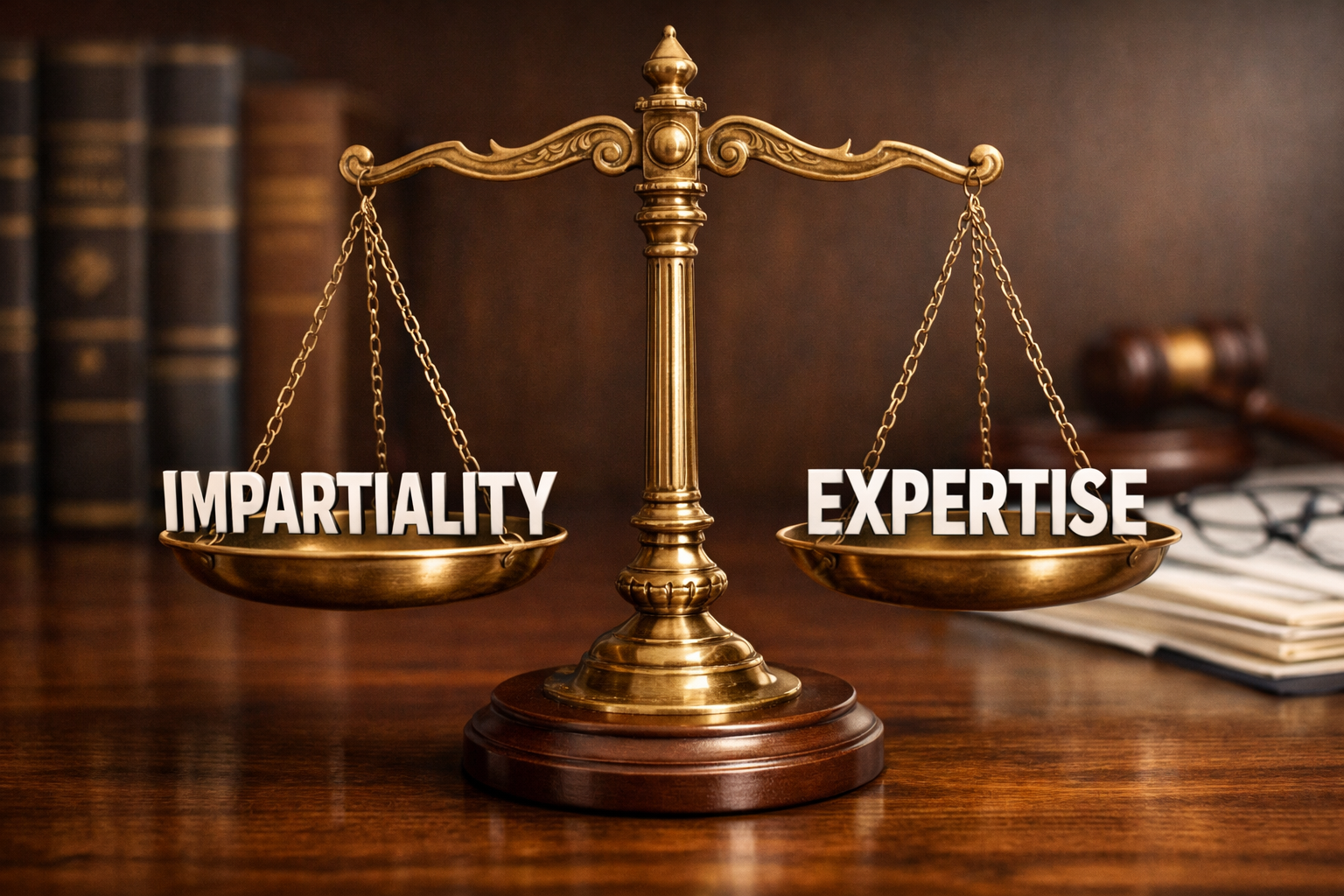
The insurer’s candidates clearly have the technical expertise to evaluate storm damage to buildings. If the question were simply who understands roofs and structural damage, one of those candidates would seem like a logical choice. But judges do not always think that way. Many courts view the role of the umpire as something closer to a neutral decision-maker rather than a third technical expert. Under that view, the two appraisers bring the specialized knowledge to the table, while the umpire serves as the tie-breaker when disagreements arise. When judges adopt that perspective, they often focus less on construction credentials and more on neutrality and credibility.
The policyholders’ declaration argues that the insurer’s nominees are biased because they frequently work for insurers. But the person making that declaration is also a professional appraiser who works within the same insurance appraisal industry. Judges often recognize that the appraisal world is relatively small and that many professionals work for both insurers and policyholders at different times. So the declaration may not actually prove bias. But what it does is reinforce the idea that the opposing side does not trust the insurer’s candidates.
When judges see both sides questioning the neutrality of industry experts, they sometimes look for the easiest way to avoid the fight entirely. Instead of choosing one side’s nominees, they appoint someone outside the industry or direct the parties to obtain a neutral umpire through an organization such as the American Arbitration Association.
Which brings us to the fun part. What do you think the court will do?
Will the judge select one of the insurer’s proposed engineers or appraisal experts because they have the most technical expertise? Will the court reject those nominees and instead appoint its own trusted neutral from the legal or mediation community? Or will the judge take the middle path and simply tell the parties to let the American Arbitration Association pick the umpire?
Stay tuned. The court has not ruled. The answer to that question may reveal a lot about how judges really think when they are asked to pick the person who will ultimately decide the amount of loss.
Thought For The Day
Prediction is very difficult, especially if it’s about the future.
—attributed to Niels Bohr