Many states are struggling with rising property insurance premiums, shrinking availability of coverage, and growing losses from natural disasters. Colorado is demonstrating how thoughtful leadership and practical policymaking can respond to these insurance challenges, as noted in Division of Insurance: Colorado Takes Further Action to Lower Homeowners Insurance Rates.
Colorado announced further action aimed at lowering homeowners insurance costs through legislation and programs designed to encourage more resilient homes. The effort recognizes that if structures are better able to withstand hail, wind, and wildfire damage, insurance losses will decrease, insurers can more confidently write coverage, and policyholders will ultimately benefit through greater availability and affordability of insurance. I have supported this type of public policy, as noted in The Community Necessity to Make Structures More Insurable and Resilient to Loss.
The latest legislation focuses heavily on the hail peril, which is one of Colorado’s most significant insurance challenges. State officials have repeatedly noted that hail damage is among the largest drivers of homeowners insurance losses and premium increases throughout the state. The legislation creates incentives and funding mechanisms to help homeowners install more resilient roofing systems that can better withstand severe weather. The goal is to reduce losses before they occur rather than simply arguing about who pays for them afterward.
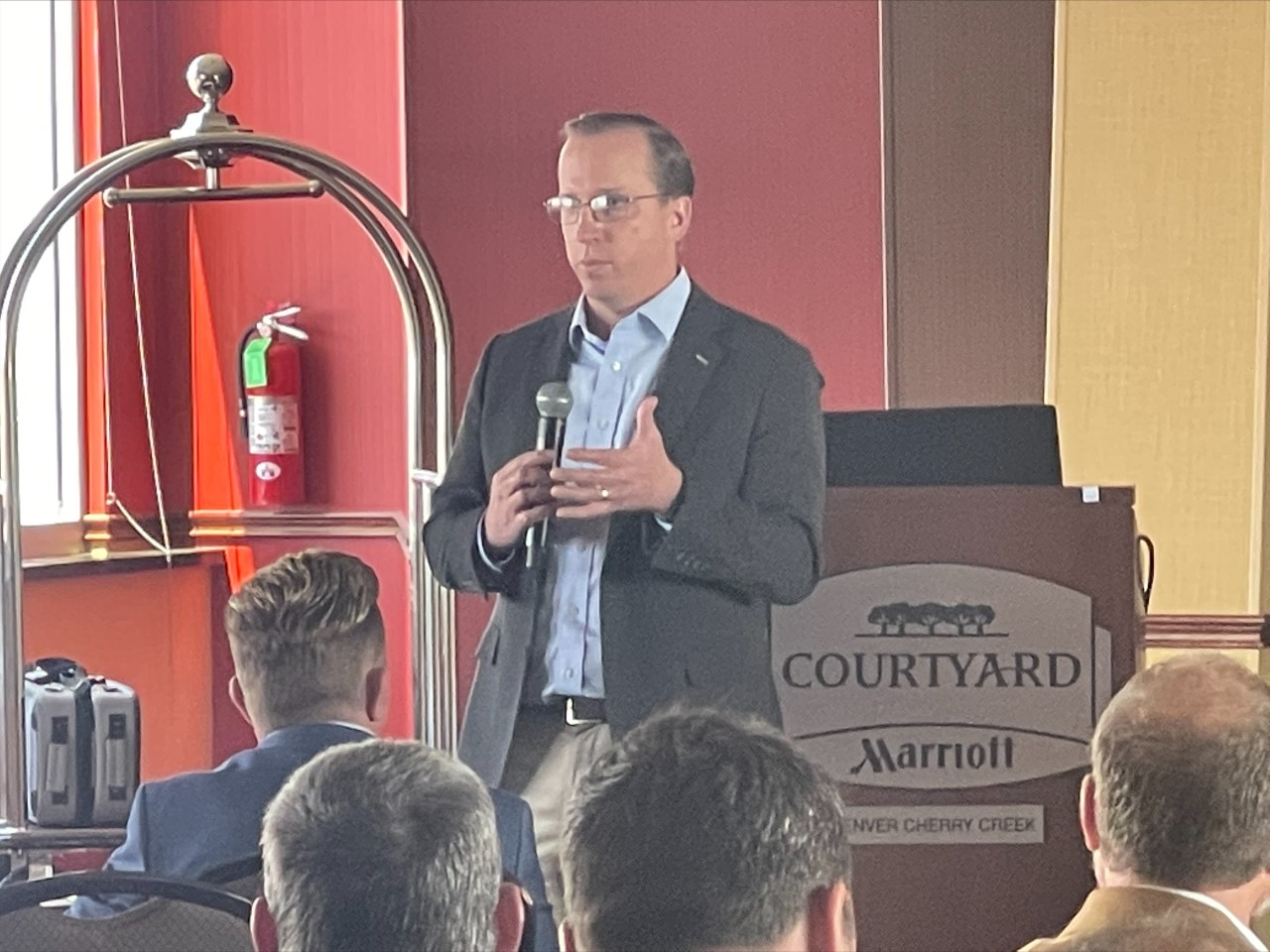
I recently had the opportunity to hear Colorado Insurance Commissioner Michael Conway speak at the Rocky Mountain Association of Public Insurance Adjusters (RMAPIA) meeting in Denver. I left impressed.
Those who know me understand that I do not hand out praise to regulators lightly. Good insurance regulation requires intelligence, courage, balance, and a willingness to engage with difficult issues. Commissioner Conway possesses those qualities.
What struck me most was not merely his command of the issues. It was his willingness to discuss opposing viewpoints openly and honestly. Too often, policymakers speak only to their supporters and avoid listening carefully to the other views. Conway appears comfortable acknowledging competing concerns while explaining why he believes a particular course of action is best for Colorado. This approach builds credibility and commands respect even if you do not agree with his final judgment. Being heard matters in a world where we seem to be asking people to make a stand one way or the other.
I was equally impressed by the energy and engagement of the Colorado Division of Insurance staff. Effective leadership often reveals itself through the people surrounding a leader. During his remarks, Conway repeatedly credited his team for their work. It was obvious that he views the Division’s accomplishments as collective successes rather than personal victories. Humility remains one of the most underrated leadership traits, and it was on full display at the RMAPIA meeting last month.
The commissioner also appeared deeply involved in helping move this legislation across the finish line. That is important because meaningful reform rarely happens by accident. It requires persistence, education, coalition-building, and a willingness to remain engaged when legislative efforts encounter obstacles. Last year’s efforts fell short. This year’s success demonstrates what can happen when leaders stay committed to a worthwhile goal.
What Colorado is doing should attract attention far beyond its borders. For years, insurance discussions have been dominated by debates over rates, litigation, reinsurance costs, and catastrophe modeling. Those issues remain important. Colorado is focusing on something equally important by making policy that reduces the risk of loss itself. When homes become more resilient, everyone benefits. Homeowners suffer fewer losses. Communities recover more quickly. Insurers pay fewer claims. Regulators face fewer market disruptions.
That is not a partisan idea. It is simply good public policy. It is a trend that can be found in recent laws in Colorado, Florida, and California.
As weather-related losses continue to challenge insurance markets across the country, other states would be wise to study this trend supporting loss reduction. Programs that incentivize mitigation and reward resilience address problems at their source. They represent a proactive rather than reactive approach to insurance regulation.
Colorado still faces challenges. Every state does. But it is encouraging to see a regulator willing to confront those challenges directly, engage in honest dialogue, empower his staff, and pursue innovative solutions.
From what I observed in Denver, Commissioner Michael Conway and his team deserve considerable credit for helping chart a path that other states should seriously consider following.
Thought For The Day
“Insurance should reward people for reducing risk, not just charge them for having it.”
— Michael Conway