Lately I’ve received a steady flow of calls from concerned policyholders because their insurance carriers have opened coverage but refused to participate in appraisal, citing the policy’s wear and tear exclusion. In nearly every instance, the carrier denies appraisal by characterizing the dispute as involving unresolved coverage questions, rather than a dispute over the amount of loss, and therefore outside the scope of appraisal. This framing improperly converts a factual dispute over what caused the observed damage into a coverage issue and sidesteps the very policy mechanism intended to resolve disagreements over the valuation and scope of the loss.
Property insurance appraisal clauses generally require the insurer and the insured to resolve disputes about the amount of loss through a binding appraisal process.
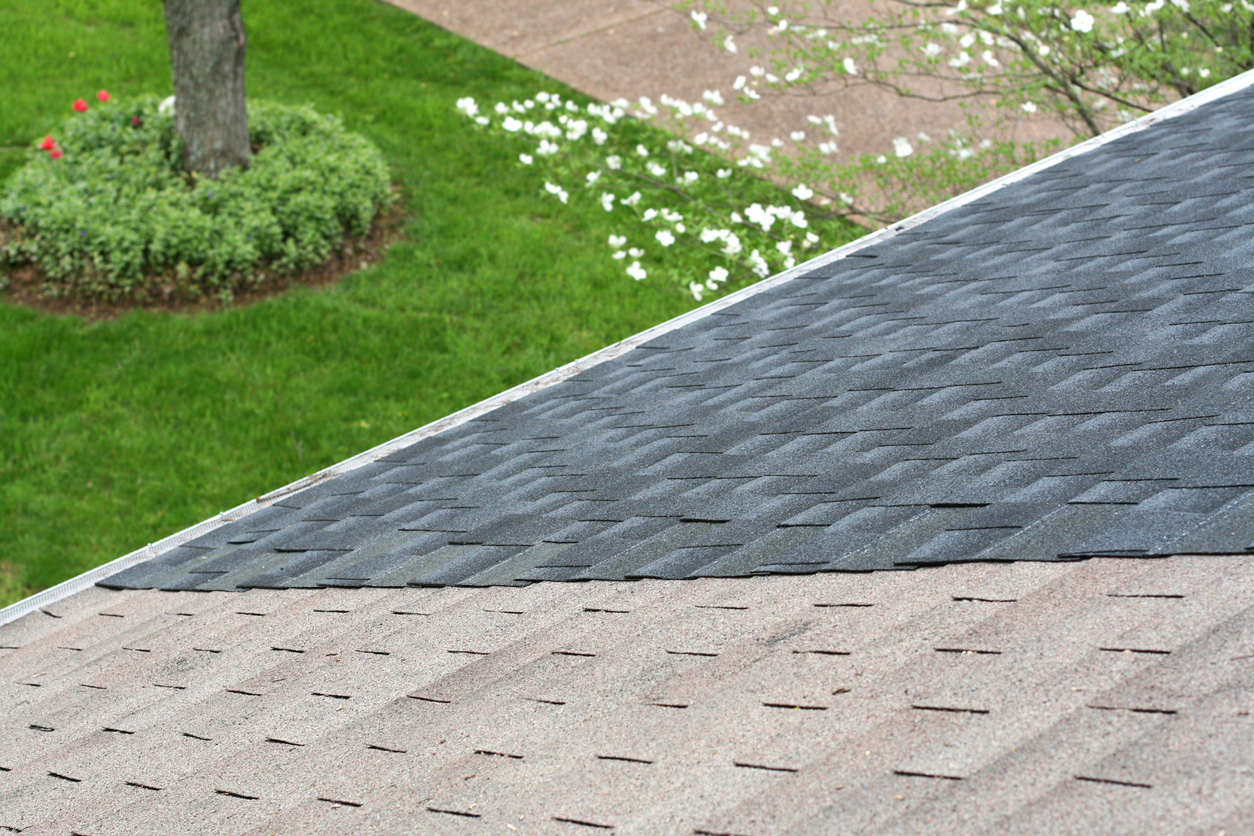
In most of these claims, the carrier has already conceded that there is at least some covered damage, so the true dispute centers on the proper scope and cost to repair the damage, and on the factual cause of the remaining contested portion of that damage. Insurance appraisers evaluate similar issues every day in the field, including whether the condition of the roof or building components is attributable to a covered peril (such as hail, wind, or a specific storm event) or solely to age, maintenance, and normal deterioration. When the disagreement turns on whether the observed damage should be assigned to one cause versus another, they are contesting causation and scope, not interpreting the policy. Calling that dispute a “coverage question” mischaracterizes what is really a causation and scope issue.
The majority of jurisdictions across the U.S. hold that appraisal is an appropriate mechanism for determining causation of damages.
In Colorado, the Tenth Circuit addressed this scenario, where the insurer acknowledged some hail damage but argued that remaining damage was caused by uncovered events such as wear and tear, and then refused appraisal unless the insured agreed that appraisers would not decide causation. 1 The court held that the insurer breached the policy when it refused to allow such an appraisal to proceed. 2 Under Florida law, causation is a coverage question for the court when an insurer wholly denies that there is a covered loss, but causation is an amount-of-loss question for the appraisal panel when an insurer admits that there is covered loss, the amount of which is disputed. 3 Texas courts have further held that the fact that an appraiser may have to differentiate damage caused by hail versus wear and tear or improper installation is not a reason to decline requiring an appraisal, 4 and Iowa courts have reached a similar conclusion, holding that an appraiser’s duty to determine the amount of loss necessarily requires a determination of cause of loss, including distinguishing hail damage from normal wear and tear. 5
Courts applying Illinois law have similarly rejected the insurer’s argument that a dispute over whether damage was caused by hail or wear and tear falls outside appraisal. 6 Applying this principle, courts have held that where a party challenging an appraisal award has not identified a coverage question the panel inappropriately resolved, the panel’s determination of the cause of loss is conclusive and binding. 7
Carriers in these jurisdictions should not be denying appraisal on this basis, because causation falls within the panel’s amount‑of‑loss determination.
A minority of jurisdictions hold that causation is a question for the court rather than appraisers. Alabama, for example, has held that the appraisal panel’s authority is limited to determining the dollar amount of the loss, and that questions of what caused or did not cause the loss are for the court absent an agreement to the contrary. 8 Appraisal in these minority jurisdictions is correspondingly narrower and confined to a pure pricing exercise once the court has first decided what damage, if any, is attributable to a covered cause of loss.
The key takeaway is that, in most jurisdictions, the carrier should honor a demand for appraisal even when wear and tear is disputed. Responsible carriers are better served by allowing appraisal to narrow factual disagreements over scope and causation, and then addressing true coverage questions separately.
Those interested in this topic of causation in appraisal should read the law review article 9 written by Merlin Law Group attorney Ashley Harris, noted in Ashley Harris Cited by Iowa Supreme Court Regarding Causation Issues in Appraisal Proceedings.
1 BonBeck Parker, LLC v. Travelers Indem. Co. of Am., 14 F.4th 1169, 1181 (10th Cir. 2021).
2 Id.
3 State Farm Fla. Ins. Co. v. Gonzalez, 328 So. 3d 369, 373 (Fla. Dist. Ct. App. 2021).
4 Hart Chesnutt, LLC v. Covington Specialty Ins. Co., 622 F. Supp. 3d 306, 312 (N.D. Tex. 2022).
5 N. Glenn Homeowners Assn. v. State Farm Fire & Cas. Co., 854 N.W.2d 67, 71 (Iowa Ct. App. 2014).
6 Mouw v. Shelter Mut. Ins. Co., No. 22-CV-2306, 2024 WL 707231, at *5 (N.D. Ill. Feb. 21, 2024).
7 Creekwood Rental Townhomes, LLC v. Kiln Underwriting Ltd., 11 F. Supp. 3d 909, 927 (D. Minn. 2014).
8 Rogers v. State Farm Fire & Cas. Co., 984 So. 2d 382, 389 (Ala. 2007).
9 Ashley Smith, Property Insurance Appraisal: Is Determining Causation Essential to Evaluating the Amount of Loss, 2012 J. Disp. Resol. 591.