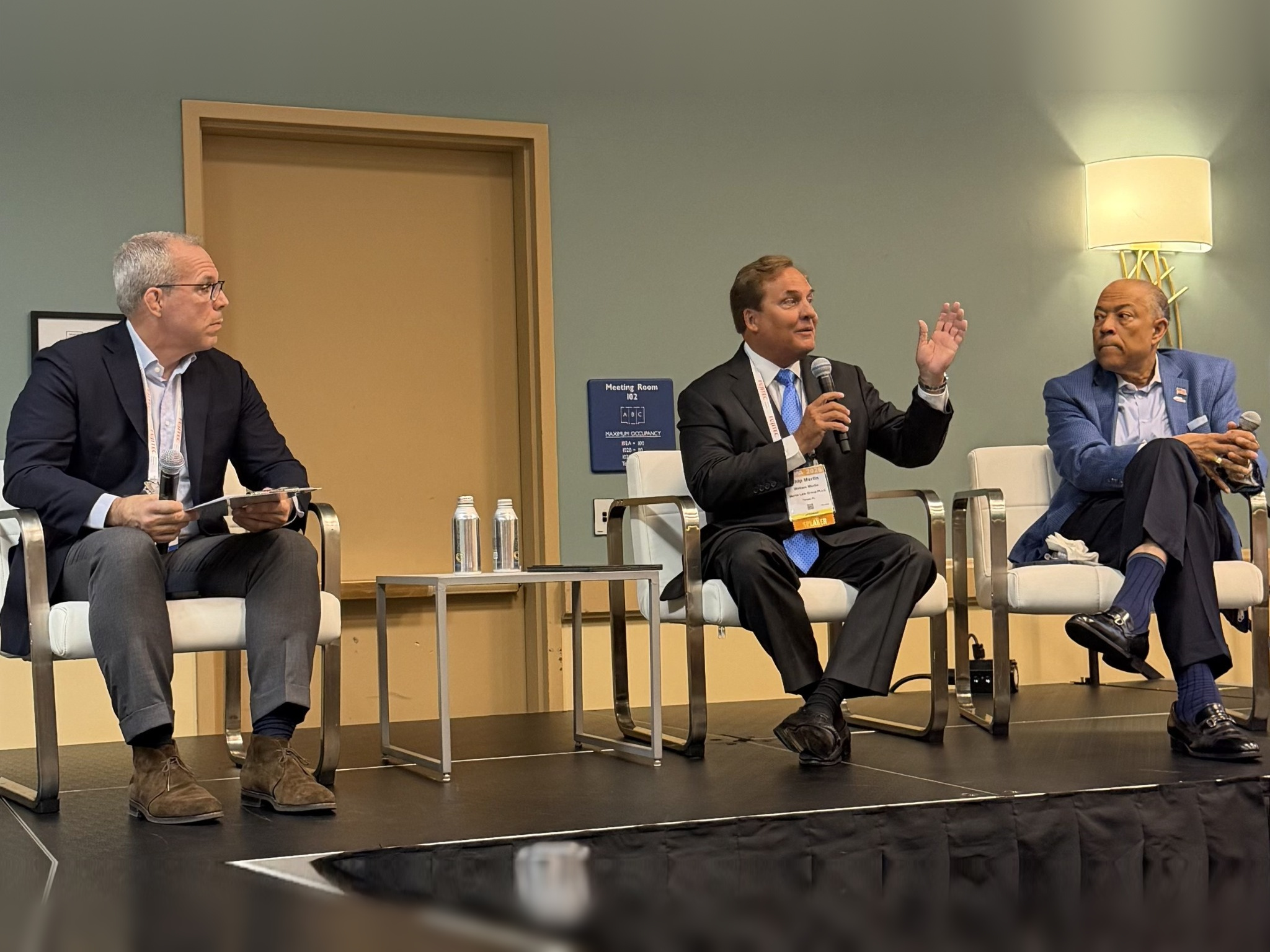
I was on a panel presentation this morning at the BOMA International Conference in Long Beach, California, about riot and protest damage to commercial buildings and what property managers should do before, during, and after these events. The discussion was practical because building managers do not live in theory. They are dealing with the broken glass, tenants calling, police are blocking streets, owners demanding answers, and documenting evidence of the loss before the insurance adjuster arrives. Practicality matters because insurance theory does not help very much during a riot.
One simple message is that a riot does not create the confusion. The riot exposes the confusion and poor planning. Most commercial property managers assume that if a riot damages a building, the insurance will respond. Sometimes it will. Sometimes it will not. More often, the policy may respond to some direct physical damage but fail to respond enough to cover the true financial consequences of the event.
The question to the insurance agent or broker is not simply, “Do I have riot coverage?” The better question is, “What financial losses will not be covered if civil unrest shuts this property down?” Asking the right question changes the entire conversation with the insurance broker.
Standard commercial property policies may cover direct physical loss caused by riot, civil commotion, vandalism, fire, or related damage. But the greater loss to a commercial building may come from loss of access, curfews, civil authority orders, tenant closures, lost rent, percentage rent, extra security, board-up costs, debris removal, reputational harm, and the inability of tenants to reopen. Those financial losses can continue long after the broken glass is swept away.
This is why building managers and owners in major cities should have a specific conversation with their insurance agents and brokers about riots, strikes, civil commotion, political violence, terrorism, civil authority, curfews, and loss of ingress and egress. Do not let the broker meeting end with, “You have property insurance,” or even, “You accepted terrorism coverage.” Those statements are only the beginning of the inquiry.
Terrorism coverage is sometimes presented on commercial insurance applications as though it is a magic wand. It is not. Terrorism coverage may be important, and many lenders require it. But it is not the same thing as coverage for riots, protests, civil commotion, curfews, looting, political violence, or government restrictions on access. A protest that shuts down a downtown corridor is not automatically terrorism. A curfew is not automatically terrorism. A riot is rarely terrorism. The broker should be asked to walk through realistic and common non-terrorism scenarios and identify which losses are covered, which are sublimited, and which are excluded.
This discussion is especially important because many brokers are trying to do what customers often ask them to do and provide acceptable coverage at the lowest premium. That may win the renewal, but leave the owner financially exposed after a major event. The lowest premium is not always the best risk-management answer for a high-profile urban commercial property. The better approach is to buy insurance based on the disaster you are trying to survive.
For building owners and managers, the insurance question also cannot be separated from the lease. Commercial riot losses often become a triangle dispute among the landlord, the tenant, and the insurance company. The landlord believes the tenant is responsible. The tenant believes the landlord’s policy covers the loss. The insurer believes neither party is describing the claim correctly. That triangle is where delay, disagreement, and litigation begin.
Before a loss, property managers should know who is responsible for the storefront glass, tenant improvements, common areas, business income, lost rent, percentage rent, deductibles, repairs, and insurance proceeds. Those responsibilities are usually found in the lease. But the lease has to match the insurance program. Do not assume that the lease drafter knows the insurance policy. Do not assume the insurance broker knows the lease. The property manager may be the only person close enough to see that those two worlds are not aligned. Insurance agents and brokers should demand and be provided commercial leases.
After the loss, documentation becomes everything. Claims are not paid because damage occurred. Instead, claims are paid because damage is proven. The first 72 hours are not merely about cleanup. They are about preserving the proof and evidence of the loss.
Photographs and video should be taken before the property changes. A timeline should be created showing warnings received, tenant communications, police activity, curfews, access restrictions, damage discovery, emergency repairs, insurer notice, and tenant reopening dates. Expenses should be tracked from the first dollar. Security, fencing, board-up, glass replacement, cleaning, engineering inspections, overtime labor, and temporary repairs should all be documented. Business interruption should be tracked immediately because the building may reopen before the financial loss ends.
The best insurance claims are built before the loss. They are built through better insurance broker relationships and questions, lease alignment, continuity planning, tenant coordination, and disciplined documentation. A property manager who waits until after a riot to learn what the policy and lease say is already behind.
The most important point I tried to make at BOMA is that building managers are not merely operational responders. They are financial continuity leaders. They stand at the intersection of the owner, tenant, broker, insurer, vendors, law enforcement, and the public. They may not write the lease or sell the insurance policy, but they often become the person who has to make real-time decisions and work through the insurance recovery.
Thought For The Day
“Businesses of all sizes need to become more resilient against political violence risks to avoid major losses.”
—Allianz Commercial