The fight between Shamrock Roofing and the State of Iowa is no longer just a district court skirmish. It is now before the United States Court of Appeals for the Eighth Circuit, 1 where a panel of federal judges will decide whether Iowa’s public adjuster laws regulate conduct or unconstitutionally restrict speech. For those in the world of property insurance claims, this appeal is more than an academic exercise. It has the potential to redraw the line between roofers and public adjusters nationwide.
I have written about this case before in Roofing Contractor Challenges Iowa’s Public Adjusting Laws on Constitutional Grounds, and When Roofers Become Adjusters: Iowa Court Says “Not So Fast”.
The federal district trial court sided with Iowa and dismissed Shamrock’s constitutional challenge. The court held that Iowa’s statutes regulate professional conduct, not speech, and that any burden on speech is merely incidental. In other words, Iowa is regulating the business of representing policyholders in claims negotiations, not suppressing ideas or viewpoints. The court also rejected Shamrock’s argument that the statutes are unconstitutionally vague, relying heavily on prior Iowa Supreme Court decisions interpreting the same language.
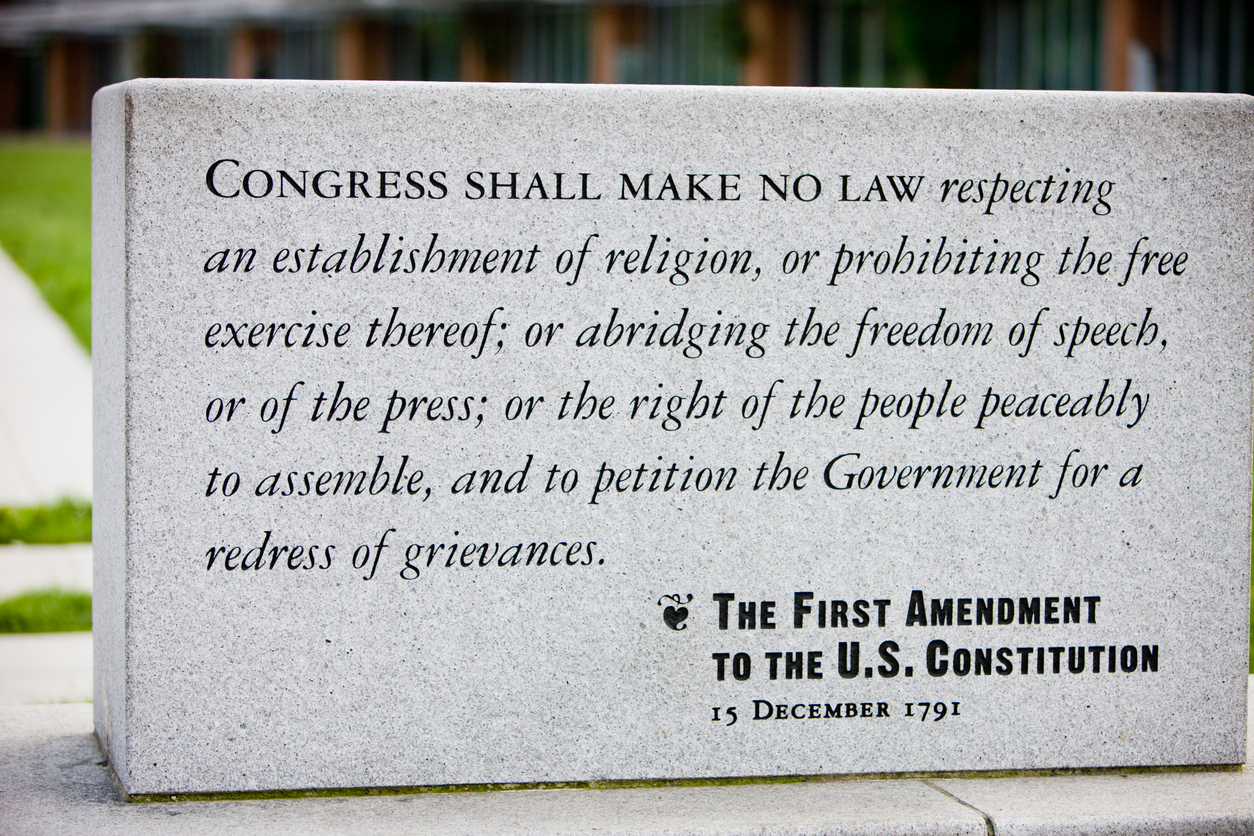
Shamrock, however, did not back down. In Shamrock’s appellate brief, it argues that Iowa’s definition of “public adjuster” hinges on what a person says and whether they “aid” or “advise” an insured about a claim. According to Shamrock, when the law makes it illegal for a contractor to “help” a homeowner navigate the claims process, the statute is not regulating conduct. Instead, it is regulating speech. Once speech is regulated, the First Amendment is triggered.
Iowa frames the case as one about professional licensing and consumer protection. In its brief, Iowa argues that public adjusting is a regulated profession in forty-five states. States have long required licenses for lawyers, doctors, and other professionals whose work involves advising clients. The fact that communication is involved does not transform professional regulation into unconstitutional censorship. If that were the rule, unauthorized practice of law statutes would collapse overnight.
If the court views the statute as targeting compensated representation in claims negotiations, Iowa likely prevails. If the court sees the statute as criminalizing ordinary conversations about insurance claims, the analysis changes dramatically. The stakes are significant.
If Iowa wins, the decision will reinforce the authority of states to strictly separate contractors from public adjusters. Departments of Insurance will have appellate-level validation that they may enforce licensing schemes without running afoul of the First Amendment. Restoration contractors and roofers will need to be extraordinarily careful in how they market and describe their services. Phrases like “we’ll deal with your insurance company” may continue to be Exhibit A in enforcement actions. Public adjusters, on the other hand, will see their professional boundaries affirmed and perhaps strengthened.
If Shamrock wins, the ripple effects could be far broader. Many states define public adjusting in terms that include “advising,” “aiding,” or “assisting” insureds. If those words are deemed speech-triggered restrictions requiring heightened constitutional scrutiny, similar statutes across the country will be vulnerable to challenge. Departments of Insurance may be forced to narrow enforcement or rewrite regulatory frameworks. Contractors and roofers could gain more freedom to discuss claims strategy and interact with insurers, blurring the line that regulators have worked hard to maintain.
There is also a practical reality underlying this legal debate. Homeowners facing catastrophic loss rarely understand their policies. They naturally turn to the contractor standing on their roof for guidance. Whether the law should allow that contractor to go beyond estimating repairs and step into claim negotiation is not merely a constitutional question. It is a policy judgment about conflicts of interest, consumer protection, and the integrity of the claims process.
For now, the case sits before the Eighth Circuit. The briefs are in. The arguments are clear. One side sees an unconstitutional speech restriction. The other sees routine professional regulation. However the court rules, this appeal will not be forgotten quickly. It may either solidify the regulatory wall between roofers and adjusters or crack it wide open.
Thought For The Day
“The price of freedom is eternal vigilance.”
— Thomas Jefferson
1 Shamrock Hills, LLC v. State of Iowa, No. 25-2991 (8th Cir.).