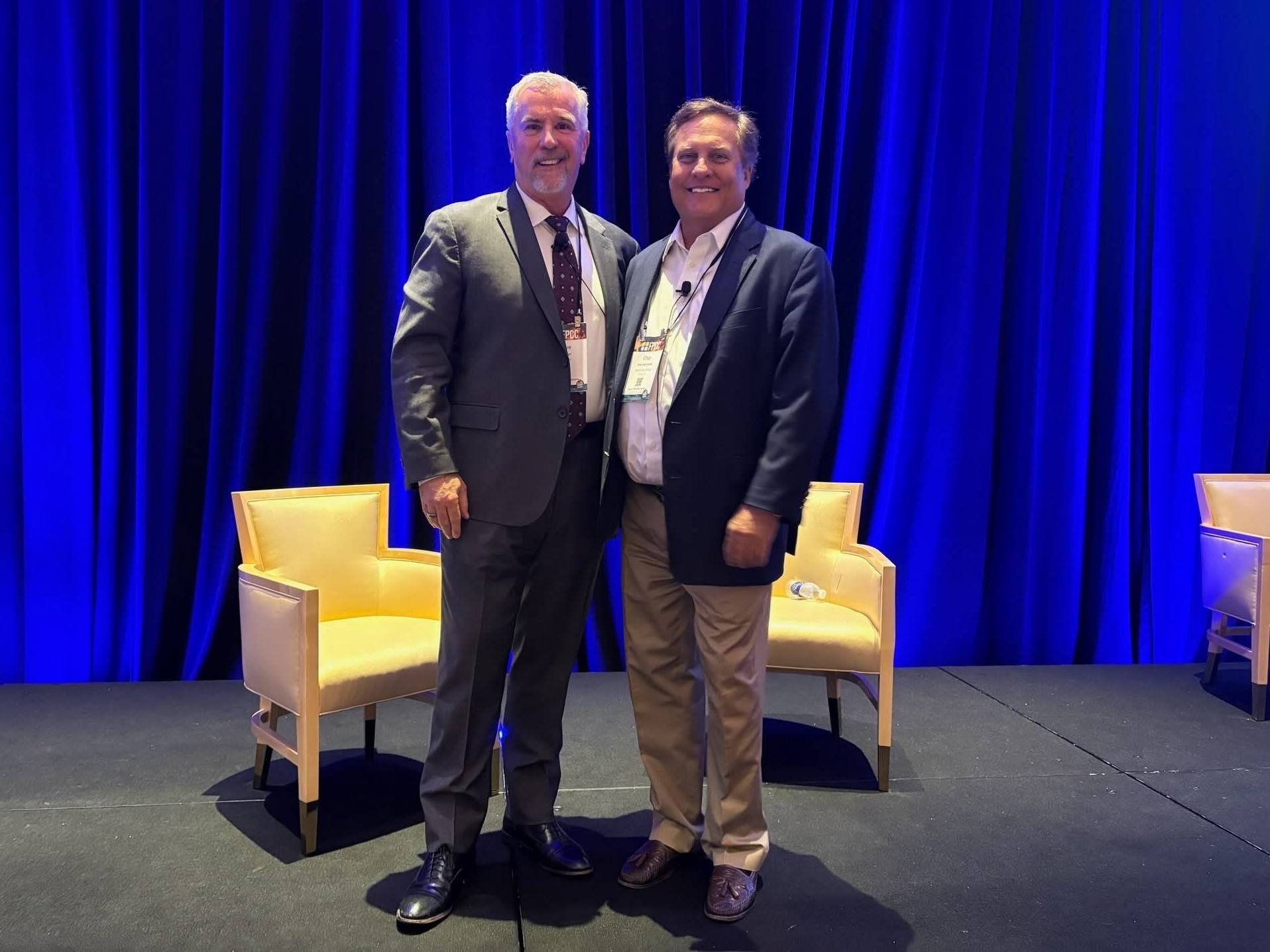
Steve Badger raised an issue during our debate at the First Party Claims Conference (FPCC) today that deserves far more attention than the few minutes we gave it on stage. He raised a topic about where all the Executive General Adjusters have gone. The room chuckled at first, as if this were simply nostalgia for a bygone era of seasoned field professionals walking loss sites with clipboards and command of their craft. But the truth is more unsettling. The disappearance of the highly experienced field-based adjuster is not an exaggeration, not a myth, and not a cyclical workforce hiccup. It is a structural change in the property claims world, and one that brings real consequences for insurers and policyholders.
The insurance industry openly acknowledges that it has a deep talent shortage, particularly in the senior ranks. Trade press, consulting firms, and even insurers themselves describe a persistent and mounting deficit of experienced claims professionals. Demographics alone tell a big part of the story. A large portion of the traditional field-adjusting corps is aging out, and retirements are accelerating. At the same time, younger professionals are not entering the claims field in numbers that are sufficient to replace them. Multiple studies warn of a “silver tsunami” of departures and a looming loss of institutional knowledge. This is not a temporary imbalance. It is a long-term workforce contraction.
The old career path that formed Executive General Adjusters required years of complex field experience, mentorship, and slow, deliberate grooming. Most property carriers no longer invest in that kind of training infrastructure. Cost-cutting, consolidation, and the financial pressure to reduce loss adjustment expense have pushed companies toward smaller teams, thinner supervisory structures, and lighter training commitments. The traditional apprenticeship, which involved riding alongside veterans, handling progressively more complex losses, and growing into an expert who can walk onto a catastrophe site and immediately understand what is really going on, has largely been dismantled. What remains is a generation of property claims personnel who are technically adept but far less seasoned, working without the benefit of those who once passed down field wisdom.
Technology is accelerating this shift. Insurers are not planning to rebuild armies of experienced field adjusters. Instead, they are explicitly designing around the shortage.
Drone inspections, virtual adjusting, AI-driven estimating, automated triage, and digital “coworkers” are being positioned as substitutes for the human expertise that once defined senior adjusting. Consulting firms describe artificial intelligence not as a tool to assist experienced people, but as a stopgap to replace them. Rather than training the next Executive General Adjuster, many carriers are investing in systems intended to replicate judgment through algorithms and decision-support platforms. These tools can be helpful, but they cannot restore the nuance or the nuanced on-site understanding that the best field adjusters brought to complex property losses.
Outsourcing fills another gap. Carriers increasingly rely on vendors, independent adjusters, building consultants, and TPAs to absorb work once handled by in-house EGAs. This strategy might stabilize staffing charts, but it deepens the long-term problem. When the knowledge is no longer developed internally, it cannot be meaningfully passed on. The expertise diffuses into the marketplace rather than residing within the insurer responsible for honoring the policy promise. That diffusion affects consistency, quality, and accountability. It also leaves policyholders dealing with a rotating cast of outside specialists rather than seasoned, empowered claims professionals dedicated to resolving their loss.
To their credit, some organizations are experimenting with training programs, certifications, and retention strategies aimed at rebuilding a professional claims workforce. A handful of adjuster programs still aspire to produce Executive General Adjusters. But these efforts remain islands in a sea of systemic pressures pushing the industry in the opposite direction. Automation, outsourcing, and a belief that technological efficiency can substitute for human judgment have become the dominant strategy, even as the insurance trade press warns that workloads are ballooning, burnout is rampant, and junior adjusters are left without the mentors they desperately need.
This matters because property insurance is a promise that only functions when skilled people interpret, measure, and adjust losses fairly. The Executive General Adjuster was more than a title. It represented a reservoir of judgment, ethics, and experience. When complex losses unfolded, these were the individuals who could cut through confusion, identify the true scope of damage, and set the claim on a fair path. They protected policyholders from being lost in the system, and they protected insurers by helping them avoid costly mistakes, unnecessary disputes, and reputational damage. Losing this role is not good for carriers, and it is certainly not good for the people who rely on their insurance policies after catastrophe strikes.
I left the stage at FPCC convinced that Steve’s question should spark a larger conversation. The property claims community needs to ask whether we are comfortable with a future that depends on fewer seasoned adjusters, more automation, more desk adjusting, and a shrinking reservoir of human expertise. Technology will help us, but it cannot replace the deep field judgment that comes only from years of walking roofs, inspecting losses, and managing complex claims with wisdom and fairness. If we continue down the current path, we risk hollowing out the profession and losing the very expertise that made property insurance reliable in the first place.
Thought For The Day
“Experience is simply the name we give our mistakes.”
—Oscar Wilde