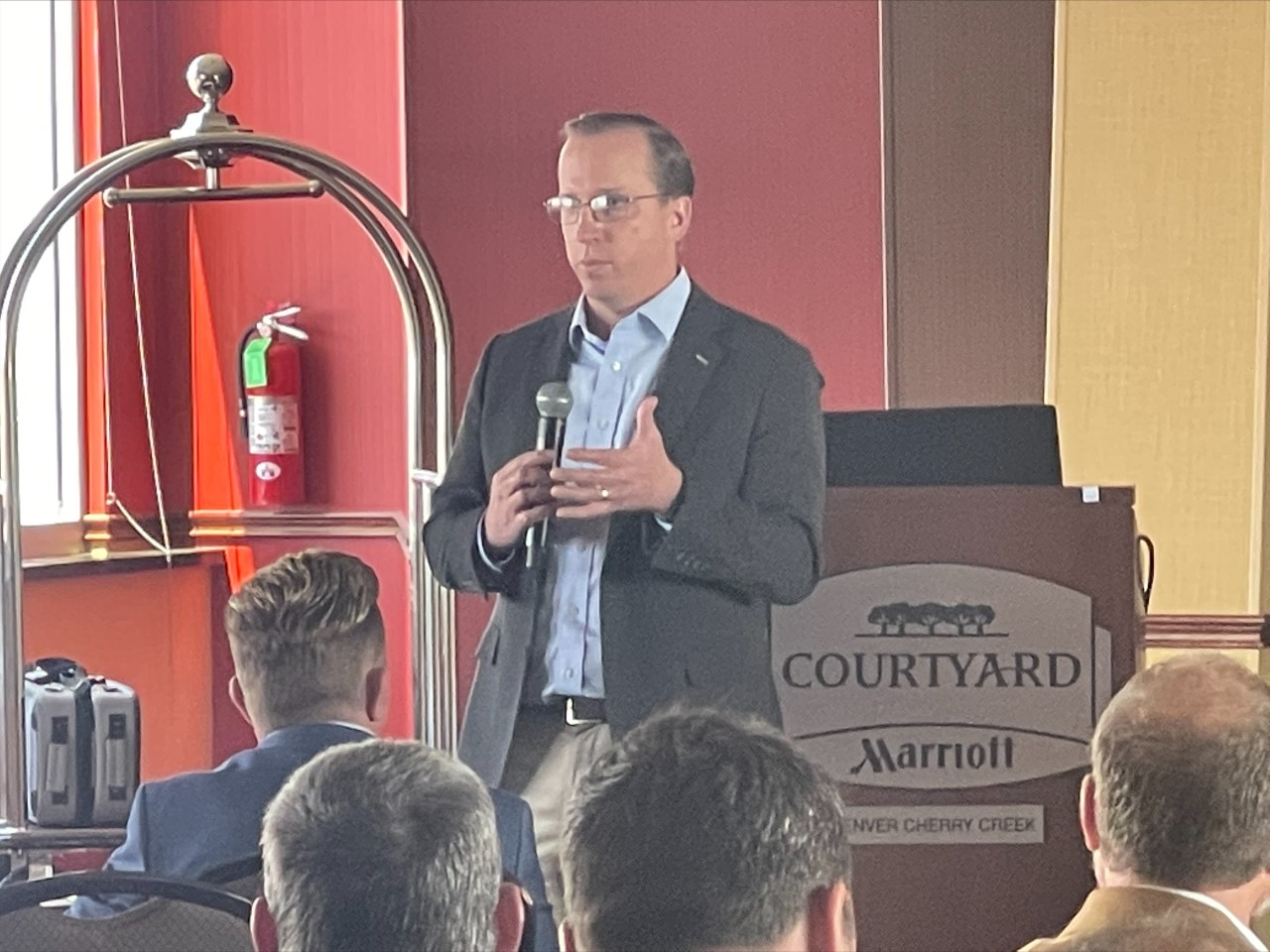
I gave a presentation last week at the American Conference Institute’s 20th National Advanced Forum on Bad Faith Litigation, regarding mediation of claims practice lawsuits. Many of my points were covered in Effective Endgame Communications and Influence And Persuasion, Part 2. A question came up about the effectiveness of insurance company representatives providing apologies. As part of a rambling response, I remarked that from my experience, such apologies are not genuine because many of the wrongful claims practices will not stop. My impression is that the insurance industry is so competitive that many have an incentive to cheat and not fully act in good faith because of competitive reasons. I sometimes view my role of obtaining a bad faith settlement from the insurer as a cop giving a cheap speeding ticket to one out of ten thousand speeders and the driving is not getting any slower. I am certain that my clients view their slow or non-paying insurers as thieves.
It does not take much experience to learn that most of my clients purchase insurance on price alone. Therefore, insurance companies that continue to underpay or delay payment as inexpensively as possible, and not get caught at too great a price, will be in a better competitive position than honest insurers that promptly pay, pay fully, and provide excellent customer service. Does anybody dispute this– other than the insurance defense counsel when my claims practice experts provide this opinion?
I mentioned The Claims Spot in yesterday’s post, Failure to Have Specific Written Claims Standards is Bad Faith, as providing an insurance industry view of insurance operations. I followed up reading other interesting posts and a reference one made to a report from the Ward Group, Ward Group Identifies Top Performing P&C Insurers. This report supports what some view as an inherent wrongful conflict that many insurers sometimes cross when it comes to making the claims department a "profit center" rather than the department to fulfill the promise to the customer. Profits are good and necessary for insurers. Yet, how do insurance companies keep their executives from making goals for claims managers that result in performance criteria to wrongfully lower severities? As Ward noted:
Top performers understand that efficient operations result in pricing advantages passed on to the consumer and keep the customer at the center of every key business decision.
The reason much discovery in claim practice litigation centers on internal claims management goals, reports, performance analysis, and objectives is because "efficient operations" in the claims department easily translates to paying less on claims to policyholders. When an insurer pays less on claims as a result of wrongful claims practices or a sharp claims culture, it can easily gain a competitive edge. From this view, honest insurers should support valid claims practice lawsuits and strong consumer protection laws.
It is important for insurance claims counsel to read and learn as much about the insurance industry, its management, its lore, and its operations as possible to be an effective insurance litigator. Some attorneys would try to make clients believe that they are insurance coverage experts because they can recite insurance law. Any attorney can do that. Nobody becomes an expert on insurance law, insurance coverage, and claims practice litigation based on reading insurance coverage or bad faith cases for the same reason nobody becomes an expert on medical procedures law by simply reading medical malpractice cases.
My insurance coverage practice tip of the day is to read insurance industry published information and materials on a regular basis. My suggestion to honest and ethical claims executives is to question whether their "efficient operations" is jargon being translated into performance measures that result in wrongful claims practices and attitudes that you would not want practiced upon your mother if she had a claim.