Insurance Companies are a "Strange Breed of Cat"

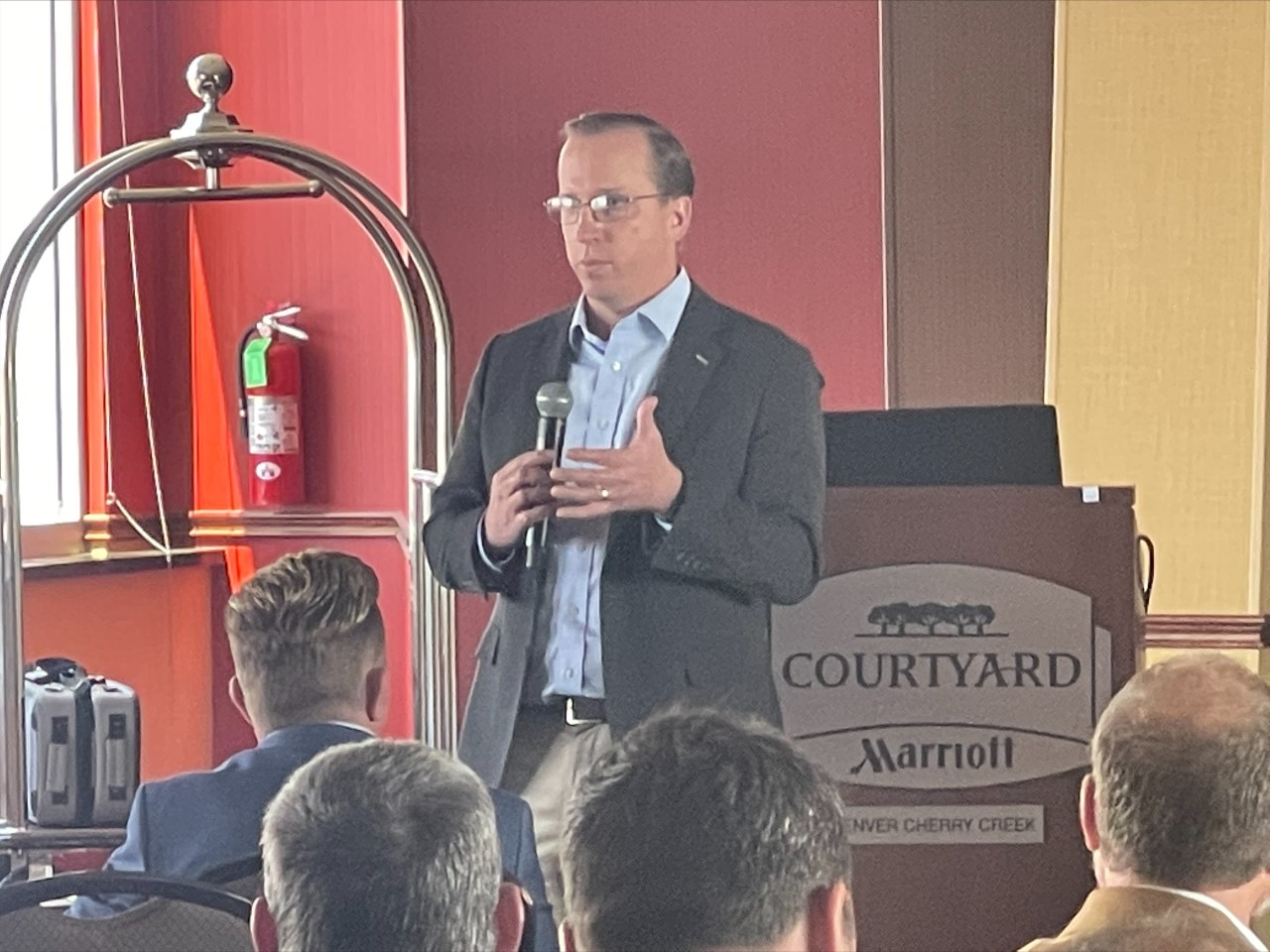
A recent consumer interest article written by Elizabeth O’Brien in SmartMoneyCould Insurance Reform Lower Your Premium?  highlights another insurance crisis involving the disappearing availability of insurance in disaster prone areas. I recall a lengthy interview with O’Brien. I do not recall the following highlighted quote noted in the article, although I do not deny saying it:

“Although rates have leveled somewhat in recent years, it hasn’t gotten much easier to insure a home in the hurricane zones from Florida to New Jersey. New this year, Florida’s state-owned insurer Citizens is telling some policyholders to make costly repairs to their roofs or to add storm shutters or risk losing coverage. The insurance issues aren’t unique to hurricane-prone states. Homeowners who live along the New Madrid fault that runs through parts of Missouri, Tennessee and other states have trouble securing affordable coverage because of their perceived earthquake risk. “Insurance companies are a strange breed,” says Chip Merlin, an attorney who represents policyholders in Tampa, Fla. “It’s amazing how they try to avoid writing insurance in places where the risk could happen.”

Maybe I should not be too harsh on insurance companies. After all, if you were in the property insurance business, wouldn’t you want to insure properties that made you a profit with no risk of loss? If you got a little too risky in other ventures, wouldn’t you like the government to bail you out through loans to you or others insured by your risky investments?

O’Brien’s article points out a trend of some insurers refusing to place capital at risk. We will hear more about this, but the bottom line is that major insurers are seeking less risky investments. New and smaller insurers will have an opportunity to enter the marketplace because some old line carriers have lost interest in the risk business. They want the certain profit business. In the long term, chances are they will get neither.

Tags:
Trackbacks (0) Links to blogs that reference this article Trackback URL
http://www.propertyinsurancecoveragelaw.com/admin/trackback/152005
Comments (5) Read through and enter the discussion with the form at the end
shirley heflin - August 20, 2009 7:28 PM


Of course insurance companies want to insure properties that make them a profit with no (or very little) risk of loss. They're in the business of making money...just like (for example) Attorneys. A Plaintiff's Attorney is not going to take a case, advance costs and time where liability is questionable. If the "risk" of losing is there, the Attorney usually rejects the case - same theory -just a different money making enterprise.

SHIRLEY HEFLIN

Chip Merlin - August 21, 2009 7:21 AM

Shirley,

You only think that way because you worked for me for over twenty years and we won 99% of our cases!

You and I both know a number of very broke plaintiff atorneys.

John Nixon - August 21, 2009 10:11 AM

It's unlikely that the advocates for government catastrophe insurance reform will also seek actuarially sound rates. Their constituents want them to find options to have the risk subsidized by non-cat exposed property owners, or pass the risk to the next generation with debt obligations.

Personally, I'd welcome some legislative initiatives that would actually help reduce insurance costs: improved quality and accessibility of public information, tax treatment of catastrophe reserves, or building code improvement and enforcement. Are the states willing to pool their regulatory offices to help reduce adminstration costs?

In some areas and classes the market is dominated by a small number of players (public and private). If other underwriters don't think they can compete and make a profit, they'll invest their marketing and underwriting in other opportunities. Sometimes the dominant players have found a way to make money (better risk control, underwriting, and/or aggresive claims practices); in other cases they only care about premium volume and they lose their shareholders money.

After an agent has taken their entire book to their lowest cost underwriter, they can't sell on lower premiums. If the agent's preferred market's management can't tolerate combined ratios that don't support the expenses and cost of capital for that area/class anymore, they increase rates and/or re-underwrite their book. Premiums and underwriting discipline will increase until other markets see enough opportunity to come back in. The expenses being factored into the underwriters' decisions to re-enter the markets include the cost of dealing with the local politicians and judges.

This is basic supply and demand: what' "strange"?

shirley heflin - August 22, 2009 2:36 AM

Ha, ha. Actually, Chip, I can have an original thought....

I pretty much agree with Mr. Nixon's last sentence. As Mr. Nixon said above:

"This is basic supply and demand: What'[s] strange?

SHIRLEY HEFLIN

Chip Merlin - August 22, 2009 10:27 AM

John and Shirley,

I truly appreciate your comments. They are thought provoking and neither of you simply agree with what is written by me. Thanks for sharing.

The economics of insurance marketplace are not an open market with anything close to "perfect competition." There are not numerous sellers of the product. Indeed, because sellers have historically proven unworthy and have gone bankrupt after taking consumers monies for years, there is not easy entry into the business. The products are becoming less homogenius and there is certainly not free information about each seller being provided to every consumer because of the agent and brokerage system. Sellers do not have access to all the information about buyers as well.

So, to suggest that this is a simple "supply and demand" situation is not true. This is not a market of perfect competition nor one with unlimited resources by sellers. The residential insurance market, because of imperfect competition, has been dominated by a few major players. When one leaves, it can create problems. When all three decide, because of a new financial management strategy, ERM, to leave a market, it causes the problems we face in Florida.

Indeed, in Florida, we just are removing ourselves from an oligopoly of State Farm, Allstate,and Nationwide for all practical purposes. It will take some time to correct. It is better, in the long run, that we have more sellers of insurance products.

I agree with John that we can do a number of things to promote mitigation and loss avoidance. That was a great point that needs to be implemented as part of social policy for high risk catastrophe prone areas.

Again, thanks for sharing.

Post A Comment / Question Use this form to add a comment to this entry.


Remember personal info?
Send To A Friend Use this form to send this entry to a friend via email.